


Quilting Cotton in Bulk: What Small Studios Need to Know Before Placing Their First Wholesale Order

Before you place a first wholesale order for quilting cotton, get three numbers in writing: the minimum order quantity per color or print, the thread count (aim for 68x68 or higher for anything sold as premium), and the shrinkage rate the mill actually tested — not the industry average. Skip any of those and you risk locking your studio into hundreds of yards of fabric that either doesn't match your existing inventory or falls apart after the first wash test. Small studios that get burned on their first bulk order almost always skipped one of these three checks.
Why Quilting Cotton Behaves Differently Than Other Bulk Fabrics
Quilting cotton isn't just cotton — it's a specific weight and finish category, usually 40s or 50s weight yarn woven at a tight, plain weave. That matters because a lot of wholesale suppliers lump “cotton” into one bucket, and you can end up with apparel-weight cotton that frays at the seam or drapes too loosely for piecing.
The best quilting cotton sits between 4.5 and 5.5 oz per square yard. Anything lighter shows seam allowances through the front of a finished block; anything heavier makes hand-quilting a wrist workout. If you're comparing options across fiber types, our breakdown on cotton vs. polyester vs. blends for bulk buying is a useful starting point before you commit to an all-cotton order.
The MOQ Trap: Why 'Bulk' Doesn't Mean What You Think
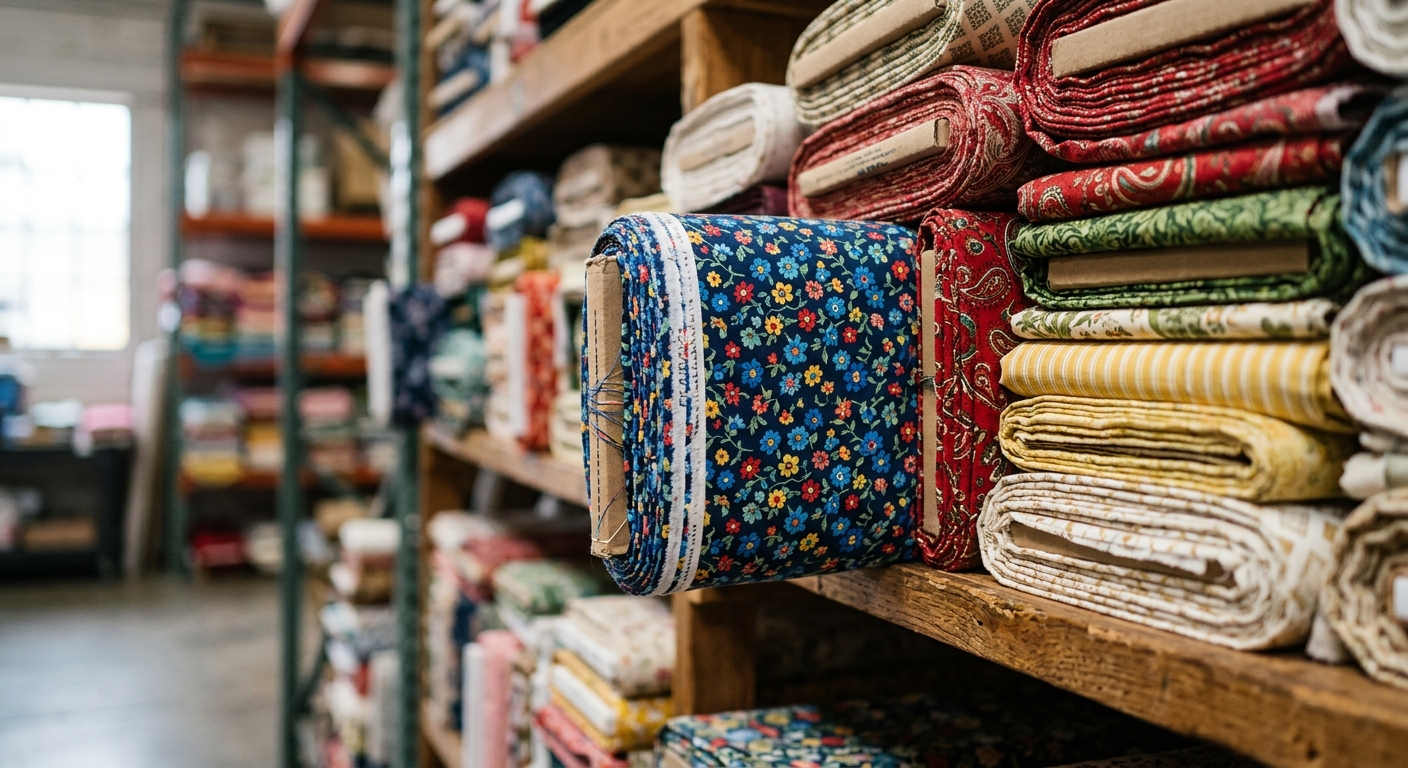
Here's the mistake almost every small studio makes on their first order: assuming the total order minimum applies per fabric, not per print. It doesn't. Most mills set MOQs per SKU — meaning if you want five different florals, you might need 50 yards of each, not 50 yards total.
For instance, a five-person quilting studio wanting to stock a seasonal collection of 6 coordinating prints could suddenly be staring at a 300-yard commitment instead of the 50 yards they budgeted for. Before you sign anything, ask the supplier directly: is the MOQ per colorway, per print, or per total order? Then negotiate from there — our MOQ negotiation playbook walks through the specific language to use to get that number down without damaging the relationship.
Reading a Quilting Cotton Spec Sheet Without Getting Burned
A spec sheet full of numbers means nothing if you don't know which ones actually predict how the fabric will perform on a quilting frame. Thread count and GSM are the two that matter most for quilting cotton specifically.
- Thread count: 60x60 is standard craft-grade; 68x68 to 78x78 is what most premium quilting brands use.
- GSM: Look for 130–150 GSM. Our GSM guide breaks down how to read this like a pro instead of guessing.
- Shrinkage: Quilting cotton typically shrinks 3–5% on first wash. If the spec sheet doesn't list a tested shrinkage rate, ask for one — our shrinkage cheat sheet shows why guessing here ruins finished quilt dimensions.
For a deeper dive into every number worth checking before you sign a purchase order, see our guide on reading a fabric spec sheet without getting burned.
Dye Lot Variance: The Silent Killer of Coordinated Collections
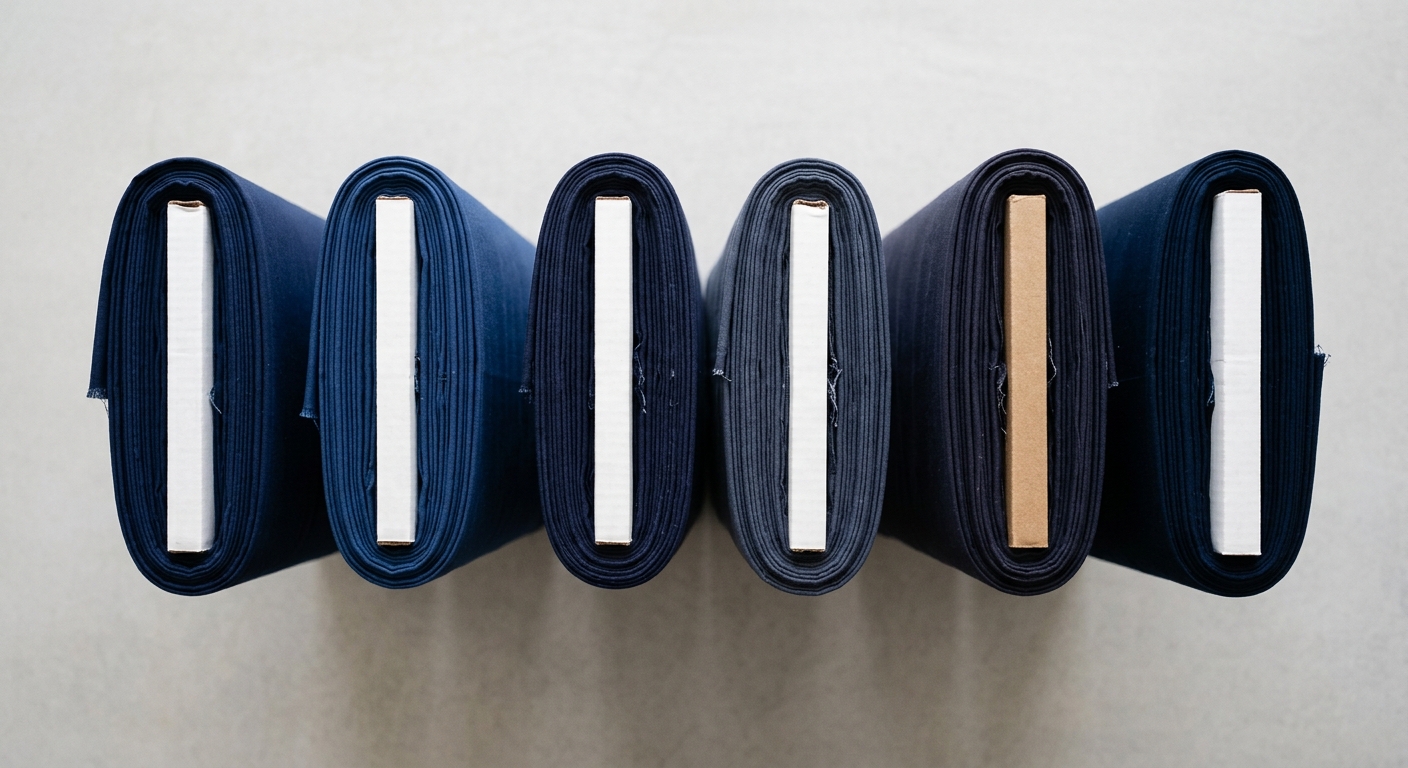
You ordered 80 yards of the same navy print, and half the bolts arrived a visibly different shade. This happens more often with quilting cotton than almost any other category, because small-batch dye runs are common at the mills that specialize in quilting-weight goods.
A studio building a signature quilt kit line can't afford visible dye mismatches across a batch — customers notice immediately, especially on solids and low-contrast prints. Always request dye lot numbers per bolt shipment and ask the supplier to ship from a single lot when the order size allows it. We cover the mechanics of this in detail in why your fabric keeps arriving off-color.
Calculating Yardage So You're Not Left Short or Overstocked
Quilting studios waste money in two directions: over-ordering “just in case,” or under-ordering and getting stuck waiting on a reprint that may never come if the print run is discontinued. Neither is a good look for your budget.
Run your yardage math against actual kit patterns before you order, not rough estimates. If your studio sells quilt kits, calculate exact yardage per kit size, add a 5–8% buffer for cutting error and shrinkage, then multiply by your projected sell-through. Our fabric yardage calculator guide walks through this math step by step, and it's especially useful when you're pricing out multiple print combinations at once.
Calico, Muslin, and Other Cotton Look-Alikes Suppliers Might Substitute
Not every “100% cotton” wholesale listing is quilting-grade. Some suppliers will substitute a cheaper, looser-weave cotton like calico when stock runs low — it looks similar in a thumbnail photo but frays faster and doesn't hold a crisp seam the same way.
Know the difference before you approve a substitution. Our calico fabric guide explains where calico works well (and where it doesn't) so you can push back if a supplier tries to swap it in without flagging the change.
What a First Order Actually Looks Like: A Small Studio Case Example
A five-person quilting studio in Oregon placed their first wholesale order for a 12-print seasonal collection, budgeting for 40 yards per print — 480 yards total. After requesting spec sheets, they caught that two prints were 55x60 thread count, well below their 68x68 standard, and swapped suppliers for those two SKUs rather than compromising the whole collection.
They also negotiated a split shipment to test 10 yards of each print before committing to the full run — a tactic covered in our MOQ negotiation playbook. The result: they caught a shrinkage issue on one navy print before it hit 480 yards of finished kits, saving roughly $1,200 in wasted fabric.
Red Flags to Walk Away From Before You Send a Deposit
Some warning signs are obvious once you know to look for them. A supplier who won't provide a physical swatch before a bulk order, who can't confirm shrinkage or thread count in writing, or who quotes a price that's 40% below market for “premium” quilting cotton — all three should stop you before you send a deposit.
Our full checklist in 7 red flags when buying fabric online covers these in more depth, and it's worth running through before every new supplier relationship, not just your first one.





 Login with Google