
• Free shipping on orders over $199

Silver Fabric by the yard

Shop silver fabric across a range of finishes and weights — from fluid satin and sheer organza to structured jacquard, delicate lace, and lightweight chiffon. Silver reads differently depending on surface: a matte crepe holds a soft, cool tone while a metallic lamé or sequin mesh catches light with high contrast. Order by the yard to get exactly what your project needs, and request swatches to confirm sheen level, drape, and true undertone before cutting.

There are currently 219 products in this category.
Shop By:
Sort By:
Filter :

Fabric Overview
for Your Creative Projects

A Big Variety of Fabrics to Choose From

Our online fabric shop offers a wide mix of fabrics to fit all kinds of creative ideas.

From comfy knits like single jersey, rib, interlock, French terry and fleece, to stylish wovens such as tweed, herringbone, chiffon, satin and jacquard—you’ll find options for both everyday projects and more dressed-up looks.

Different Materials for Different Feelings

Our fabrics come in many materials, including natural fibers like cotton, linen, bamboo, viscose and wool.

Choose soft and breathable options like viscose, modal and Lyocell, or easy-care synthetics such as polyester, nylon, acrylic and stretch blends with elastane.

Made for Your Favorite Projects

Whether you’re making T-shirts, tops, hoodies, zip-up hoodies, dresses, leggings, activewear, swimwear, blazers, coats, or even home décor pieces,

our online fabric shop has fabrics ready for whatever you’re creating.
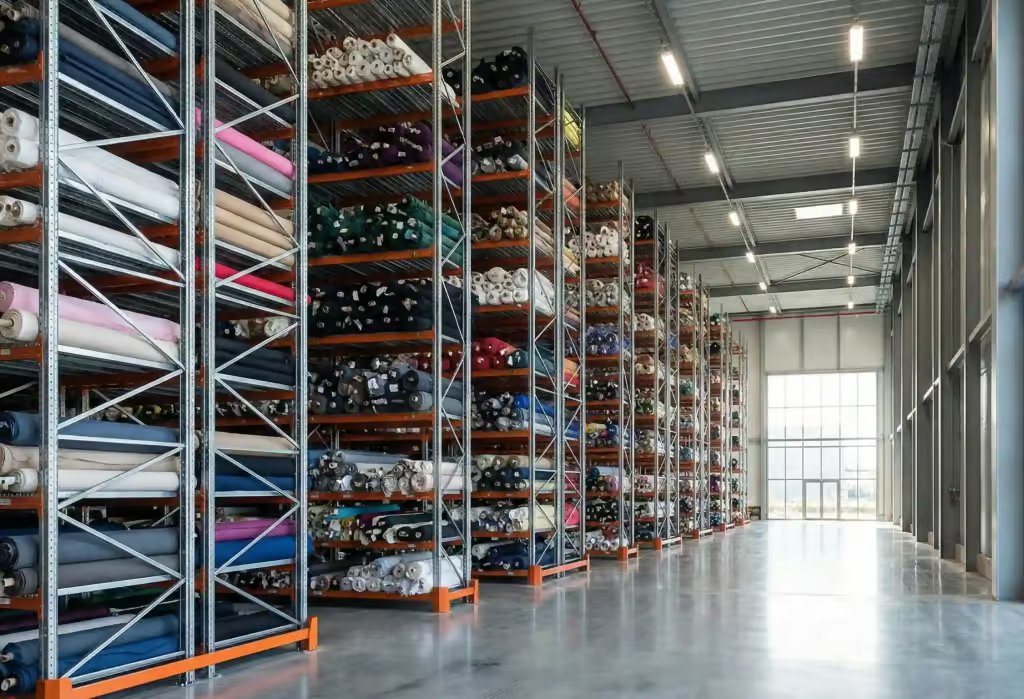
The online fabric shop's neat and bright warehouse holds a wide variety of fabrics.

Choosing the Right Silver

Cool silvers with a blue undertone photograph crisply and suit formal or bridal work; warmer silvers with a champagne lean feel softer and pair better with ivory or blush. Weight matters as much as tone — a heavy brocade holds structure while a silver chiffon or organza floats and layers. If you are mixing silver with other fabrics in one project, swatching both together is the fastest way to catch undertone clashes.

Frequently Asked Questions

Does silver fabric tarnish or discolor over time?
Metallic silver fabrics — particularly those woven with lurex or metallic threads — can dull or discolor with repeated washing, exposure to humidity, or contact with certain chemicals including perfume and hairspray. Store metallic silver pieces away from direct light and avoid contact with rubber, which can cause yellowing on metallic finishes. Non-metallic silver fabrics like printed polyester satin are more stable but can shift slightly toward gray over time with heat exposure.
How do I wash silver fabric without damaging the finish?
Most silver fabrics, especially those with metallic threads or coatings, should be hand washed in cool water or dry cleaned. Machine washing can break down metallic fibers, cause snags in lace or sequin mesh, and flatten the sheen on satin. If machine washing is unavoidable, use a mesh laundry bag, a delicate cycle, and cold water — and skip the dryer entirely.
What is silver fabric commonly used for?
Silver fabric is used for bridal and bridesmaid gowns, formal eveningwear, costume and theatrical work, table runners, chair sashes, and event décor. Heavier jacquard and brocade in silver work well for structured garments and home furnishing accents, while sheer organza and chiffon are popular for overlays, draping, and layered skirt applications.
Can silver fabric be dyed or overdyed to change the color?
It depends on the fiber content. Silver fabrics made from polyester — including most metallics and many satins — resist standard fiber-reactive dyes and require disperse dye with high heat, which can damage metallic coatings. Natural fiber silvers in silk or cotton can be overdyed, but the result will be influenced by the existing silver tone, often producing muted or complex hues rather than a clean new color. Test on a swatch before committing.
Does lint and dust show on silver fabric?
Yes — dark lint, pet hair, and dust are highly visible on silver fabric, particularly on smooth surfaces like satin and lamé. This is worth factoring in for garments or décor items that will see regular use. A lint roller handles most surface debris, but woven metallics with texture can trap particles more stubbornly and may need a soft brush instead.