
• Free shipping on orders over $199

Turquoise Fabric by the yard

Shop turquoise fabric across a wide range of textures and weights — from flowing chiffon and luminous satin to structured crepe, sheer organza, and richly patterned jacquard. Turquoise sits between blue and green on the spectrum, so shade variation between fabric types and dye lots can be significant; what reads teal on velvet may appear more aqua on tulle. Order by the yard to get exactly the quantity you need, and request swatches before committing to confirm the undertone and finish in your actual lighting.

There are currently 237 products in this category.
Shop By:
Sort By:
Filter :

Fabric Overview
for Your Creative Projects

A Big Variety of Fabrics to Choose From

Our online fabric shop offers a wide mix of fabrics to fit all kinds of creative ideas.

From comfy knits like single jersey, rib, interlock, French terry, and fleece to stylish wovens such as tweed, herringbone, chiffon, satin, and jacquard—you’ll find options for both everyday projects and more dressed-up looks.

Different Materials for Different Feelings

Our fabrics come in many materials, including natural fibers like cotton, linen, bamboo, viscose and wool.

Soft and breathable options like viscose, modal and Lyocell.

Easy-care synthetics such as polyester, nylon, acrylic and stretch blends with elastane.

Made for Your Favorite Projects

Whether you’re making T-shirts, tops, hoodies, zip-up hoodies, dresses, leggings, activewear, swimwear, blazers, coats, or even home décor pieces,

our online fabric shop has fabrics ready for whatever you’re creating.
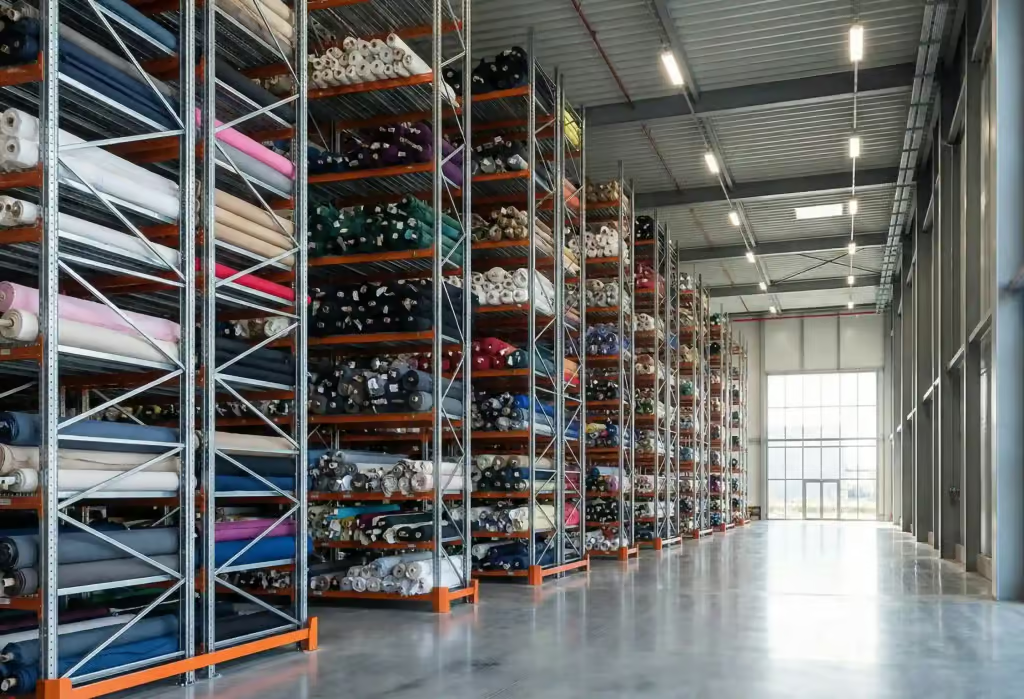
The online fabric shop's neat and bright warehouse holds a wide variety of fabrics.

Picking the Right Turquoise for Your Project

Cooler turquoises with a blue lean work well for coastal, bridal, and formal applications, while warmer aqua-leaning shades suit bohemian, tropical, and children's projects. Fabric weight matters too — a lightweight chiffon will appear lighter and more washed-out than the same color in a dense crepe or velvet. If you are matching to an existing piece or a specific Pantone reference, a swatch is the only reliable way to verify the undertone before you cut.

Frequently Asked Questions

Does turquoise fabric fade in sunlight?
Turquoise dyes — particularly those with a green component — can shift toward blue or yellow over time with prolonged UV exposure. This is most noticeable on lightweight sheers like organza and chiffon used in window treatments or outdoor décor. For sun-exposed applications, look for solution-dyed or outdoor-rated fabrics, and line-dry in shade rather than direct sunlight.
How do I wash turquoise fabric without color loss?
Wash turquoise fabric in cold water on a gentle cycle and turn garments inside out to protect the surface dye. Avoid soaking, which accelerates color bleed, and skip chlorine bleach entirely — it will strip the green tones from the dye and shift the color toward gray-blue. Wash separately for the first one or two cycles, especially when paired with white or pale fabrics.
Can I dye fabric turquoise at home?
Natural fibers like cotton, linen, rayon, and silk take turquoise fiber-reactive dyes well and produce saturated, true-to-color results. Polyester and polyester blends require disperse dye and high heat to achieve a similar depth of color, and the result often skews more blue than green. Pre-wash the fabric to remove any sizing or finish before dyeing, and keep the dye bath moving for even coverage.
What is turquoise fabric commonly used for?
Turquoise is a strong choice for swimwear cover-ups, resort and boho-style dresses, bridal party separates, children's costumes, and tropical or nautical event décor. In home décor, it works well as an accent in throw pillows, curtains, and table runners. Deeper teal-turquoise shades are also used in formal eveningwear and upholstery where a bold but sophisticated color is needed.
Does lint or dust show on turquoise fabric?
Yes — mid-tone saturated colors like turquoise show light-colored lint, pet hair, and dust more visibly than very dark or very pale fabrics. This is especially true on velvet, fleece, and knit surfaces. A lint roller handles most of it, but if you are sewing garments for frequent wear, a tightly woven satin or crepe will attract less surface debris than a napped or looped texture.