-

Free Samples!



Ripstop vs. Taffeta vs. Oxford Nylon: Which Technical Fabric Wins for Bags, Tents, and Outdoor Gear?

Table of Contents
For structural durability in bags and backpacks, Oxford nylon wins — its tight basket weave shrugs off abrasion better than anything else on this list. For tents and ultralight gear where every gram matters but you can't risk a blowout, ripstop nylon is the correct call because of its grid reinforcement. Taffeta, meanwhile, isn't really competing for either job — it's the budget liner and packable-shell option, not a structural fabric.
What Makes Ripstop Different From Every Other Nylon
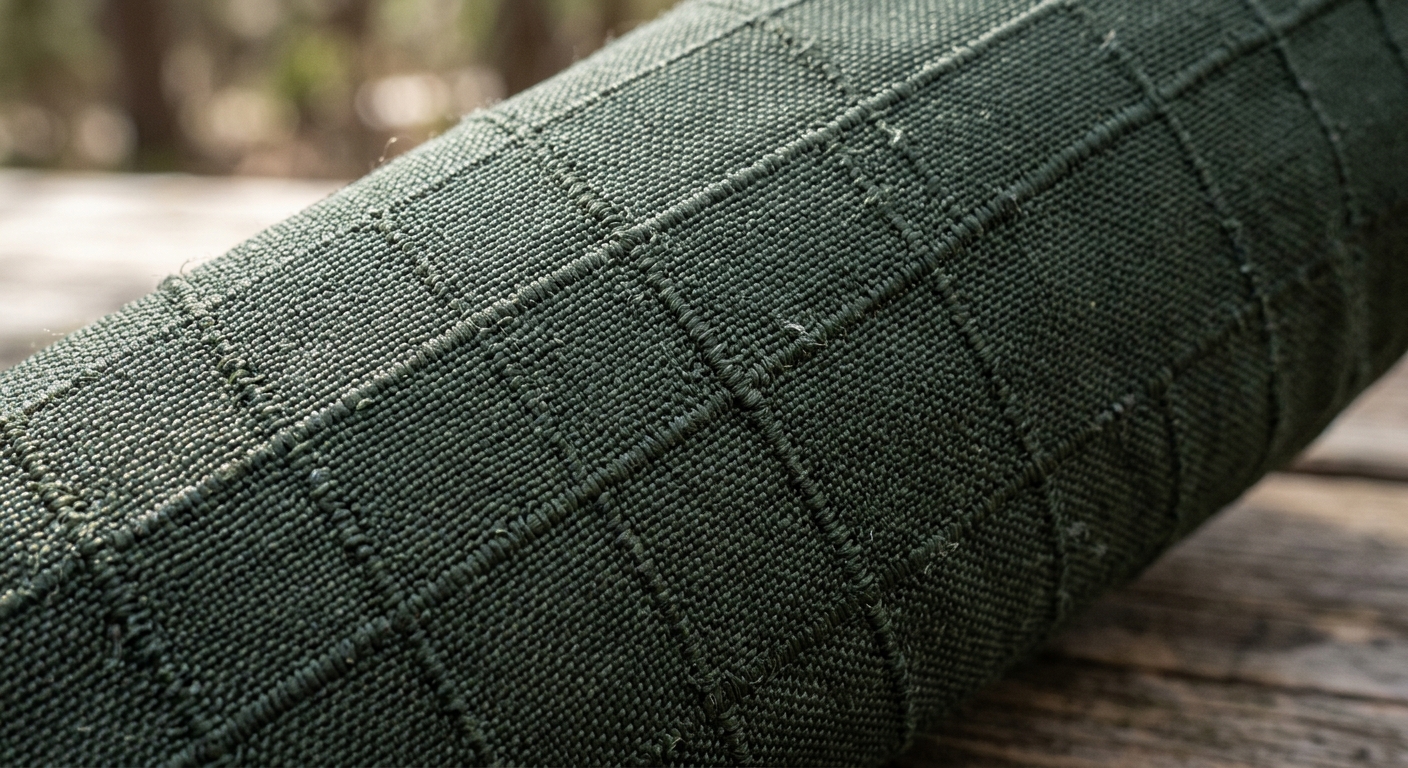
Ripstop isn't a fiber — it's a weave technique, and that's the part most buyers miss. Every few millimeters, a thicker reinforcement thread runs through the fabric in a visible grid pattern, so if a puncture happens, the tear stops at the next reinforcement line instead of running the length of the panel.
That's why ripstop dominates tent flys, kite sails, and stuff sacks — anywhere a snag is likely but a full blowout would be catastrophic. A 40D ripstop tent fly weighs almost nothing, yet it survives being dragged over granite and jammed into a stuff sack a hundred times over.
The Trade-Off Nobody Mentions
Ripstop's reinforcement grid does nothing for abrasion resistance. Drag it repeatedly across concrete or gravel and the surface will wear thin between the grid lines long before it ever tears. That's the exact failure mode you'll see on ripstop backpacks used for daily commuting — great against a random snag, mediocre against constant surface friction.
Taffeta: The Underrated Liner Fabric
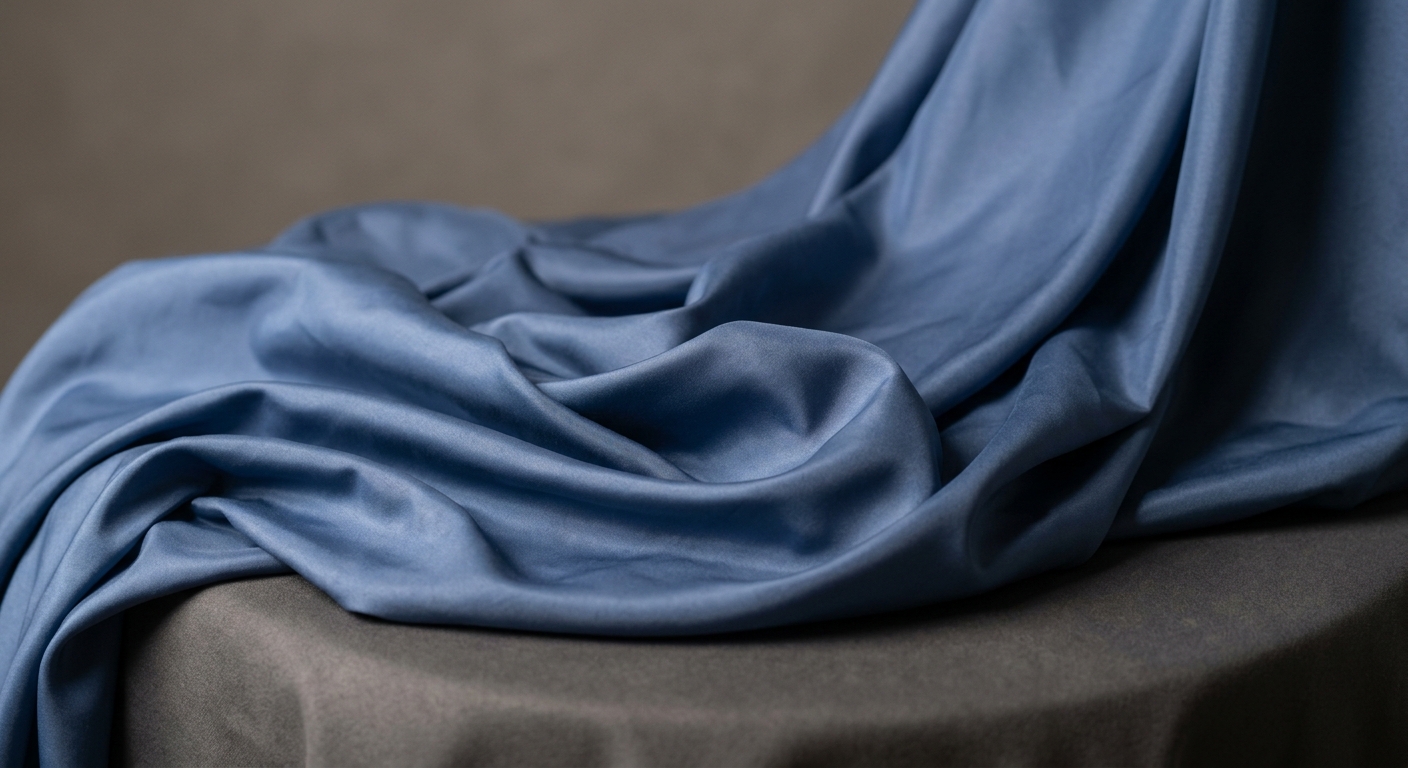
Taffeta gets dismissed as "just lining," and in outdoor gear, that's mostly accurate — but it's excellent at that one job. Its plain weave and tight yarn twist give it a smooth, low-friction surface, which is exactly why it's the go-to for jacket linings, packable windbreaker shells, and the interior of duffel bags where things need to slide in and out easily.
Where taffeta genuinely competes is packable gear. A 20D taffeta windbreaker can compress into a fist-sized pouch because the fabric itself has almost no bulk. Try that with Oxford and you'll end up with a brick.
Where Taffeta Fails Fast
Don't use taffeta anywhere it'll see ground contact or repeated flexing under load. It has the lowest tear and abrasion resistance of the three, and once a taffeta pack pocket starts fraying at a stress point, it unravels quickly. If you're comparing woven structures more broadly, our guide to weave structures breaks down why plain weaves like taffeta behave so differently from basket weaves like Oxford.
Oxford Nylon: Built for Abuse, Not for Weight Savings
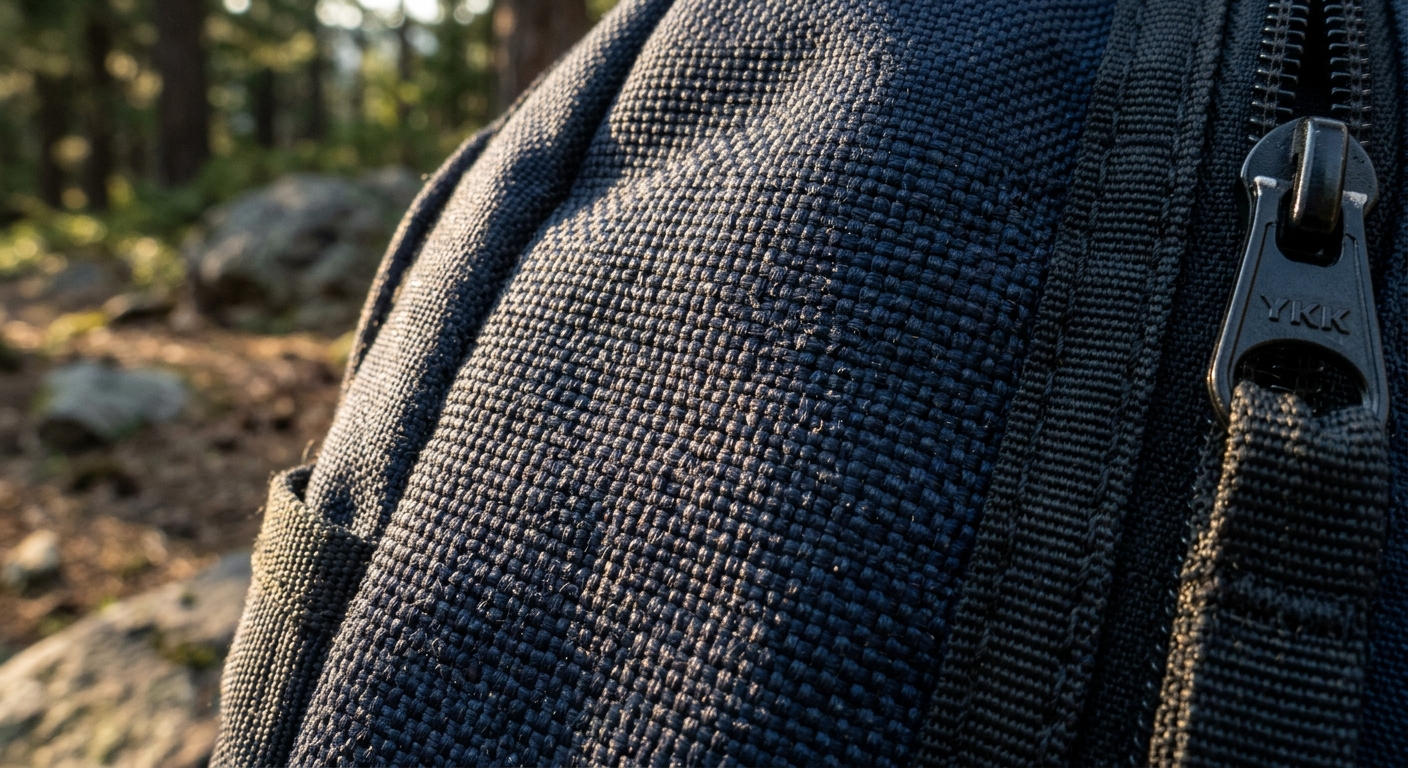
Oxford nylon uses a basket weave — two or more yarns woven together as one — which packs more material into the same footprint than ripstop or taffeta. That density is exactly why 600D and 1680D Oxford show up on nearly every commercial backpack, tool bag, and cargo duffel on the market.
For instance, a gear rental company outfitting ski resort duffels switched from a 300D polyester to a 600D Oxford nylon after customers kept reporting split seams at the base. The heavier basket weave distributed stress across more yarn crossings, and the seam failures dropped to nearly zero the following season.
The Weight Penalty Is Real
Oxford's durability comes at a cost — literally, in grams. A 600D Oxford panel can weigh three to four times what an equivalent ripstop panel weighs. That's a non-issue for a backpack sitting in an overhead bin, but it's a dealbreaker for backcountry gear where every ounce is budgeted.
Denier Numbers: Why 210D Isn't Always Weaker Than 420D
Denier (D) measures yarn thickness, not fabric strength directly — and buyers who only shop by denier number get burned regularly. A 210D ripstop with a tight weave count can outperform a loosely woven 420D fabric in actual tear testing.
- 210D: lightweight daypacks, stuff sacks, packable shells
- 420D: mid-weight travel bags, everyday backpacks
- 630D-1680D: duffels, cargo bags, tactical gear expected to take real abuse
If you're specifying fabric on a purchase order, don't stop at the denier — ask for the weave count and finish too. Our guide to reading a fabric spec sheet covers exactly which numbers to demand from a supplier before you commit to an order.
Coatings Matter More Than the Base Fabric for Waterproofing
Here's something that surprises a lot of first-time buyers: none of these three fabrics are inherently waterproof. Ripstop, taffeta, and Oxford nylon are all just woven base cloths — their water resistance comes almost entirely from the coating applied afterward, whether that's a PU backing, a silicone treatment, or a DWR finish.
A 210D ripstop with a 1500mm PU coating will outperform an uncoated 1680D Oxford in a downpour, every time. If waterproofing is your priority spec, you need to be evaluating the coating chemistry alongside the base weave — our breakdown of DWR, PU, and PVC coatings explains which finish suits which end use.
Matching Fabric to Product Category
Stop thinking in terms of "best fabric" and start thinking in terms of "best fabric for this specific product," because the right answer changes completely depending on what you're making.
Tents and Shelters
Ripstop, full stop. Punctures happen from branches, rocks, and stakes — you need tear-stopping, not abrasion resistance.
Backpacks and Duffels
Oxford nylon, especially anywhere the bag makes ground contact or gets dragged. 600D-900D covers most consumer gear; go higher for tactical or industrial use.
Packable Shells and Linings
Taffeta wins on compressibility and cost. Don't over-engineer a jacket lining with 1680D Oxford — it'll feel like cardboard.
For a mixed product line — say a brand launching daypacks, packable rain jackets, and a small tent — sourcing all three base fabrics from the same mill run keeps color matching consistent and simplifies your supplier audit to one relationship instead of three.
Cost Realities When Buying in Bulk
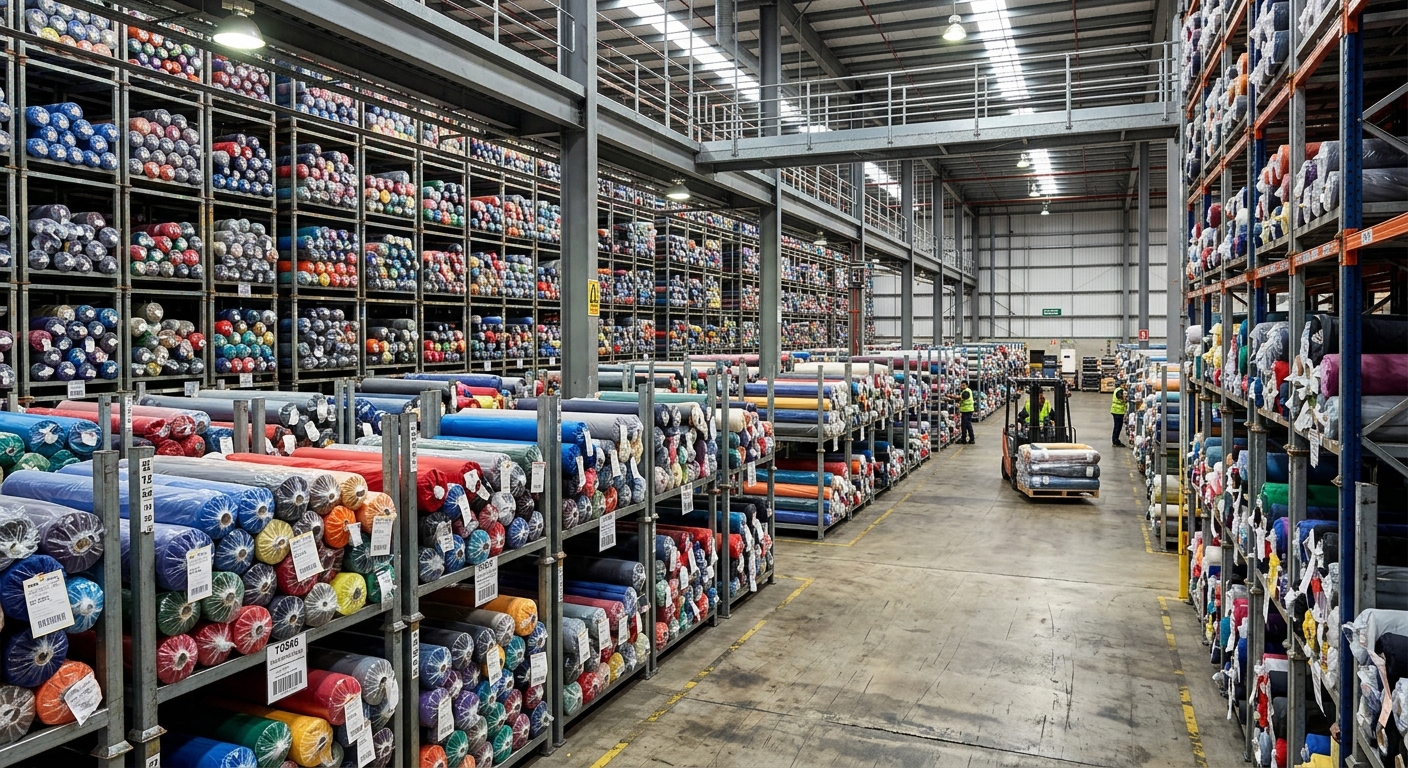
Taffeta is consistently the cheapest per yard, which is exactly why it dominates cheap promotional bags and budget rain shells. Ripstop sits in the middle — the reinforcement weave adds cost even at low deniers. Oxford's price scales heavily with denier; a 1680D ballistic-grade Oxford can cost two to three times more than a 300D version.
If margin is tight, don't default to the cheapest fabric across your whole line. A buyer outfitting a budget backpack brand found that dropping to a lighter Oxford weight on non-stress panels (side pockets, top flaps) while keeping 900D on the base and straps cut fabric cost by nearly 20% without any measurable increase in returns. That's the kind of selective spec that separates buyers who understand the fabric from buyers who just order the cheapest roll — a mistake covered in more depth in the hidden costs of cheap wholesale fabric.





 Login with Google