-

Free Samples!



Corduroy, Canvas, and Duck Cloth: Heavy-Duty Fabrics Compared for Workwear Buyers

Table of Contents
If you're buying fabric for workwear, duck cloth wins on raw abrasion resistance, canvas wins on cost-to-durability ratio, and corduroy wins on comfort and texture where flexibility matters more than brute toughness. None of the three is universally 'best' — the right pick depends on whether your garment needs to survive a warehouse floor, a farm, or a design studio that just wants a rugged look. Get the weight and weave wrong, and you'll either overpay for durability nobody needs or ship product that tears at the knees within a month.
What Actually Separates These Three Fabrics
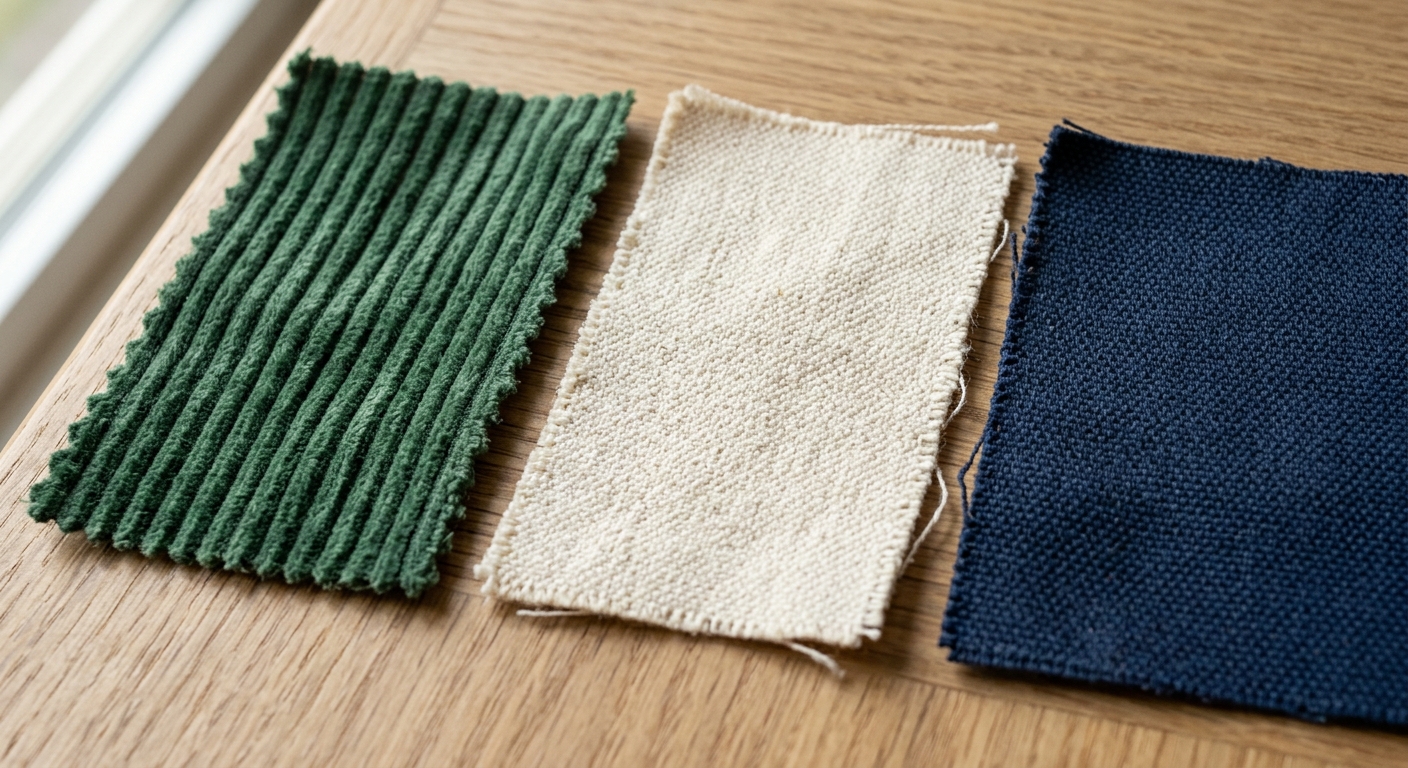
People lump corduroy, canvas, and duck cloth together because they all feel 'heavy' and 'durable' off the bolt. But they're structurally nothing alike. Corduroy is defined by its cut-pile ribs — vertical cords called wales — which give it texture and some cushioning but leave the base fabric more exposed to abrasion. Canvas and duck cloth are both plain weaves, meaning the yarns cross in a simple over-under pattern with no pile at all.
The real difference between canvas and duck cloth is thread density. Duck cloth uses a tighter weave with more yarns packed per square inch, which is why it resists abrasion better and sheds light rain instead of soaking it up immediately. Canvas is looser and often cheaper, which makes it the workhorse for aprons and tool bags where flexibility matters more than maximum toughness.
Corduroy for Workwear: Where It Earns Its Place
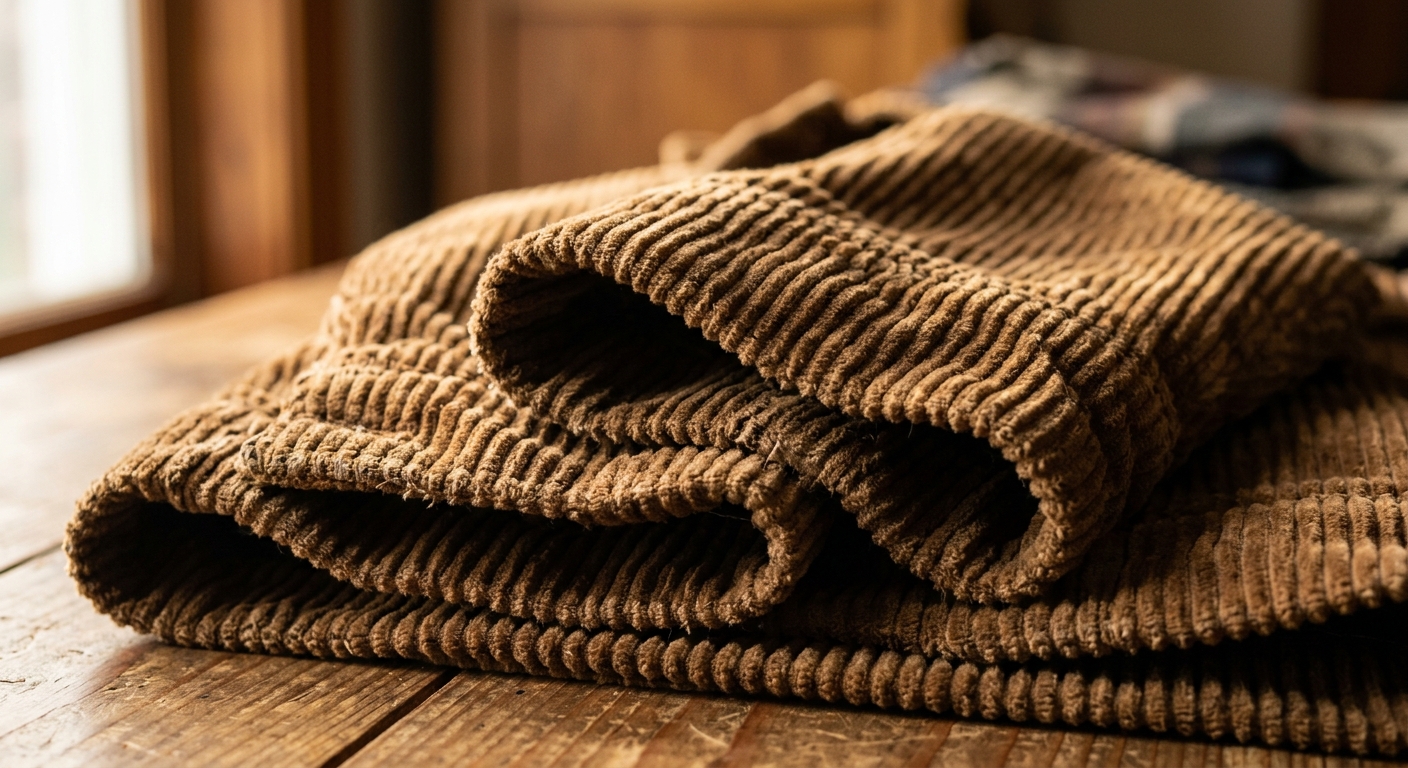
Corduroy isn't the first fabric people think of for job-site durability, and that's fair — it's not the toughest of the three. But it earns a real spot in workwear for trim pieces, collar linings, and pants where a bit of cushioning and warmth matter more than raw abrasion resistance. An 8-wale or 11-wale corduroy in a heavier weight (12+ oz) holds up surprisingly well for carpenter pants and field jackets, especially in cooler climates.
The Wale Count Matters More Than People Think
Lower wale counts (fewer, wider ribs) mean thicker, more durable cord — better for workwear. Higher wale counts (thinner ribs, like pinwale) are for fashion, not job sites. If a supplier can't tell you the wale count, that's a red flag worth checking against the guidance in our fabric spec sheet guide.
Canvas: The Budget-Friendly Workhorse
Canvas is the fabric most buyers default to because it's cheap, widely available, and tough enough for 80% of workwear applications. A 10 oz cotton canvas handles aprons, tool pouches, and light jackets without breaking the bank. Bump it to 12-15 oz and it starts competing with duck cloth for pants and overalls.
Here's the catch: canvas isn't tightly woven by default, so cheaper mills cut costs by loosening the weave even further, which shows up as fraying edges and premature thinning at stress points. That's exactly the kind of shortcut we cover in hidden costs of cheap wholesale fabric — a canvas that looks fine on the roll can fail fast once it's cut and stitched into a garment.
For instance
A tool bag manufacturer switched from a 10 oz canvas to a 12 oz canvas after getting return complaints about seam blowouts within three months of daily use. The heavier weight alone cut their return rate by more than half — no design change needed, just a weight upgrade.
Duck Cloth: The Fabric That Doesn't Quit
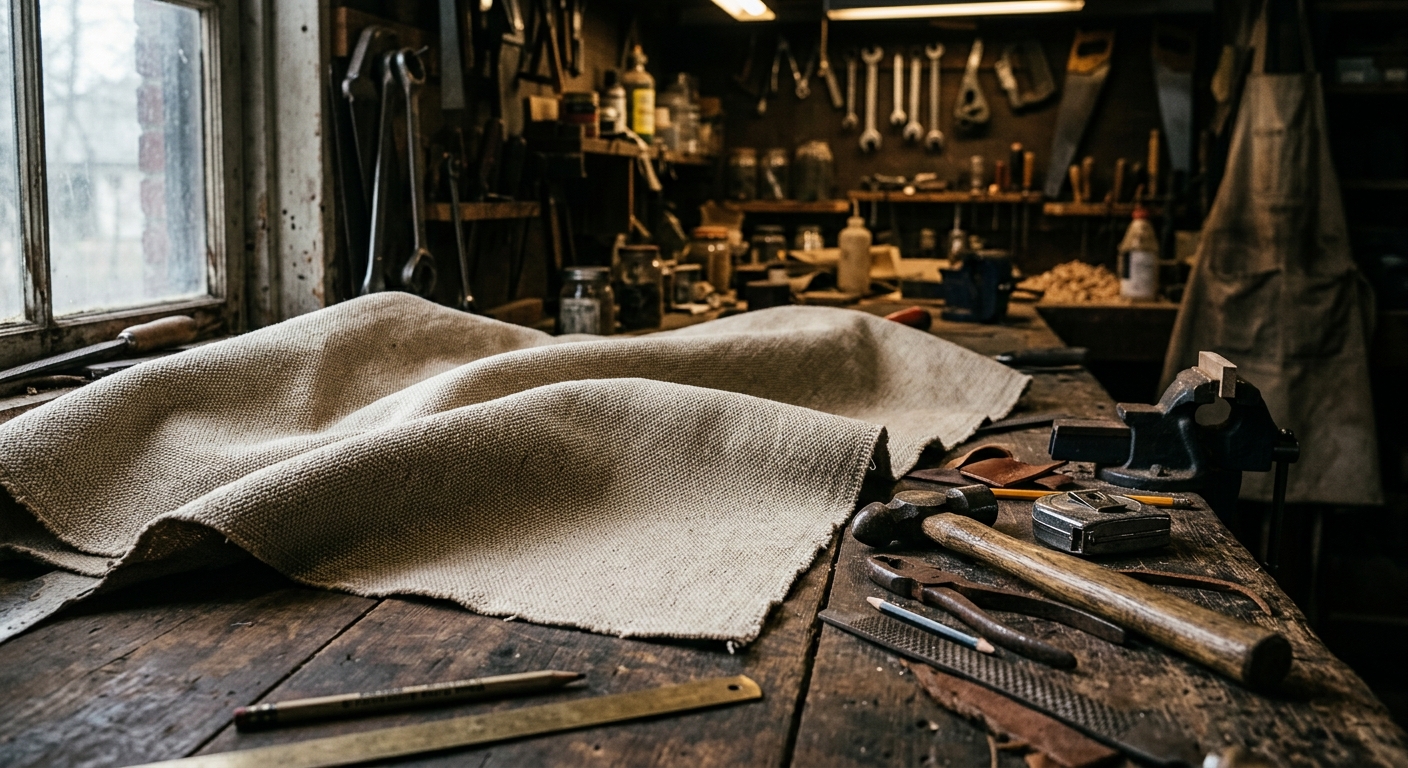
If the garment is going to get dragged across concrete, snagged on rebar, or soaked in a downpour, duck cloth is the answer. Its tight weave is what makes it the standard for carpenter overalls, tool belts, tarps, and heavy-duty work jackets. Numbered duck (like 8 oz or 10 oz duck) refers to weight classes, and anything above 10 oz starts entering true workwear territory.
The tight weave also gives duck cloth better inherent water resistance than canvas, even without a coating. For fully waterproof applications, though, you'll still want a treated version — worth pairing with the details in our water-repellent coatings breakdown before specing a coated duck for outdoor gear.
| Fabric | Weight Range | Best Workwear Use |
|---|---|---|
| Corduroy | 8-16 oz | Trim, pants, jackets in cooler climates |
| Canvas | 7-15 oz | Aprons, tool bags, budget jackets |
| Duck Cloth | 10-18 oz | Overalls, tarps, tool belts, heavy jackets |
Weight Isn't the Whole Story — Weave Density Is
A common buyer mistake: assuming a heavier ounce weight always means a tougher fabric. It doesn't. A loosely woven 14 oz canvas can actually abrade faster than a tightly woven 10 oz duck cloth, because abrasion resistance comes from thread count and weave tightness, not just mass. This is the same principle covered in our GSM explained guide — weight tells you density potential, not durability on its own.
How to Actually Test This Before You Commit to a PO
- Request a swatch and run a fingernail scratch test across the weave — tighter weaves resist visible disruption
- Check thread count per inch on the spec sheet, not just ounce weight
- Ask for a Martindale or Wyzenbeek abrasion rating if the supplier tracks it
Cost-to-Durability: Where the Real Decision Gets Made
Duck cloth typically runs 15-30% more per yard than comparable-weight canvas, and corduroy sits in the middle depending on wale count. For high-turnover workwear — think seasonal promotional gear or light-duty aprons — canvas wins because the fabric will likely be replaced before it wears out anyway. For gear meant to last multiple seasons of daily abuse, the duck cloth premium pays for itself in fewer warranty replacements.
If you're negotiating pricing on bulk orders across these fabric types, the tactics in our MOQ negotiation playbook apply directly — weight and weave density are both leverage points suppliers will flex on before they'll touch price per yard.
Color and Finish Considerations for Workwear Buyers
Most workwear canvas and duck cloth ship in natural, khaki, or brown tones because darker earth colors hide staining and wear better than lighter shades. Corduroy, on the other hand, is often chosen specifically for its color depth and texture in fashion-adjacent workwear lines — think heritage brand jackets that blend function with style.
If your line needs shape-holding structure alongside durability — say, for structured jacket collars or reinforced pockets — it's worth cross-referencing shape retention fabric options, since duck cloth and canvas both perform well here but corduroy needs interfacing to hold sharp lines.
Which One Should You Actually Order?
If you're building overalls, tool belts, or anything that touches concrete daily — duck cloth, no question. If you're producing aprons, tote bags, or budget-friendly workwear where cost matters more than maximum abrasion resistance — canvas. If you're adding texture and warmth to trim, collars, or seasonal jackets — corduroy, but only in a heavier wale count.
Don't guess on weight and weave density from a product photo. Pull the actual spec sheet, check thread count, and if you're unsure how to read it, our fabric spec sheet guide walks through exactly what numbers matter before you commit to a bulk order.



 Login with Google