-

Free Samples!


Small-Batch vs. Bulk Fabric Shopping: Which Online Stores Actually Serve Startup Brands in 2026

Table of Contents
Small-batch fabric stores win for startups still validating a design or waiting on their first pre-orders — you pay more per yard, but you're not sitting on 800 yards of fabric nobody bought yet. Bulk wholesale stores win once you have confirmed orders and repeatable demand, because that's where the per-unit cost actually drops enough to protect your margin. The mistake most new brands make is picking one model and sticking with it forever, instead of switching lanes as their order volume changes.
Why This Decision Trips Up So Many New Brands
Here's the pattern we see constantly: a founder falls in love with bulk pricing sheets before they've sold a single unit. They commit to 500 yards because the per-yard cost looks amazing on paper, then spend the next eight months trying to sell garments made from fabric that, in hindsight, wasn't quite right.
The opposite mistake happens too. Brands stay in small-batch mode long after they've proven demand, paying a 40% premium per yard because switching to a bulk supplier feels intimidating. Both mistakes cost real money — just in different directions.
The fix isn't picking a side. It's matching your sourcing model to your actual order stage, and knowing exactly when to graduate from one to the other.
What 'Small-Batch' Actually Means in 2026
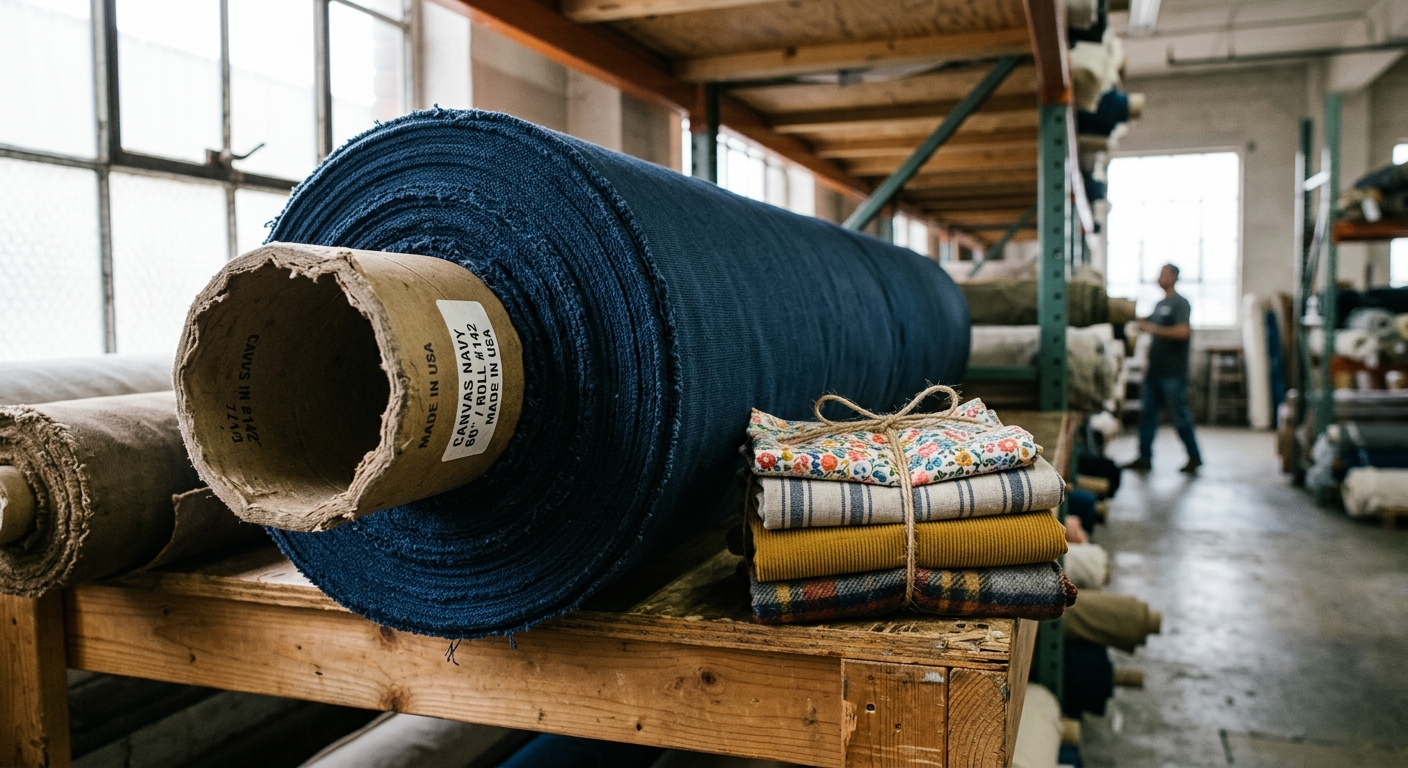
Small-batch suppliers now typically set MOQs between 1 and 50 yards per colorway, a shift driven largely by on-demand digital printing and smaller mill runs becoming economically viable. That's a huge change from five years ago, when anything under 100 yards got you laughed out of a supplier's inbox.
Where the Premium Comes From
You're not paying more because the fabric is better — you're paying for the supplier's flexibility to run short cuts without idle machine time. Expect 30–60% higher per-yard pricing compared to bulk rates on the same base cloth.
For instance, a startup activewear brand testing a new moisture-wicking blend might order 40 yards in three colorways to sew 60 sample garments for a pre-order campaign — before ever committing to a production run. Check our guide on moisture-wicking fabrics for activewear bulk orders once you're ready to scale that same fabric into real volume.
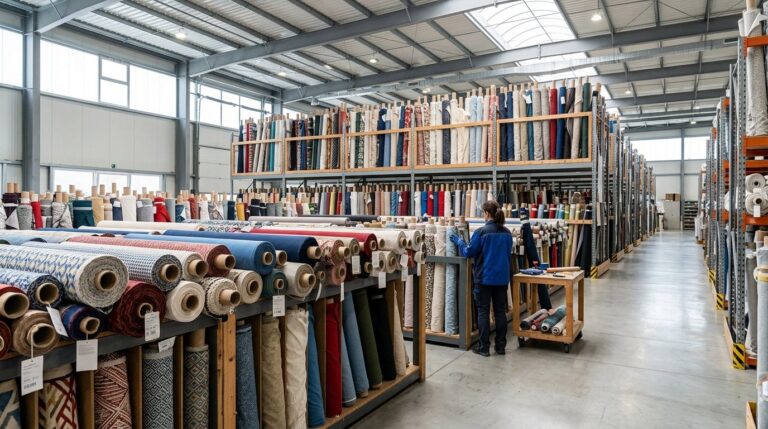
What Bulk Wholesale Actually Buys You
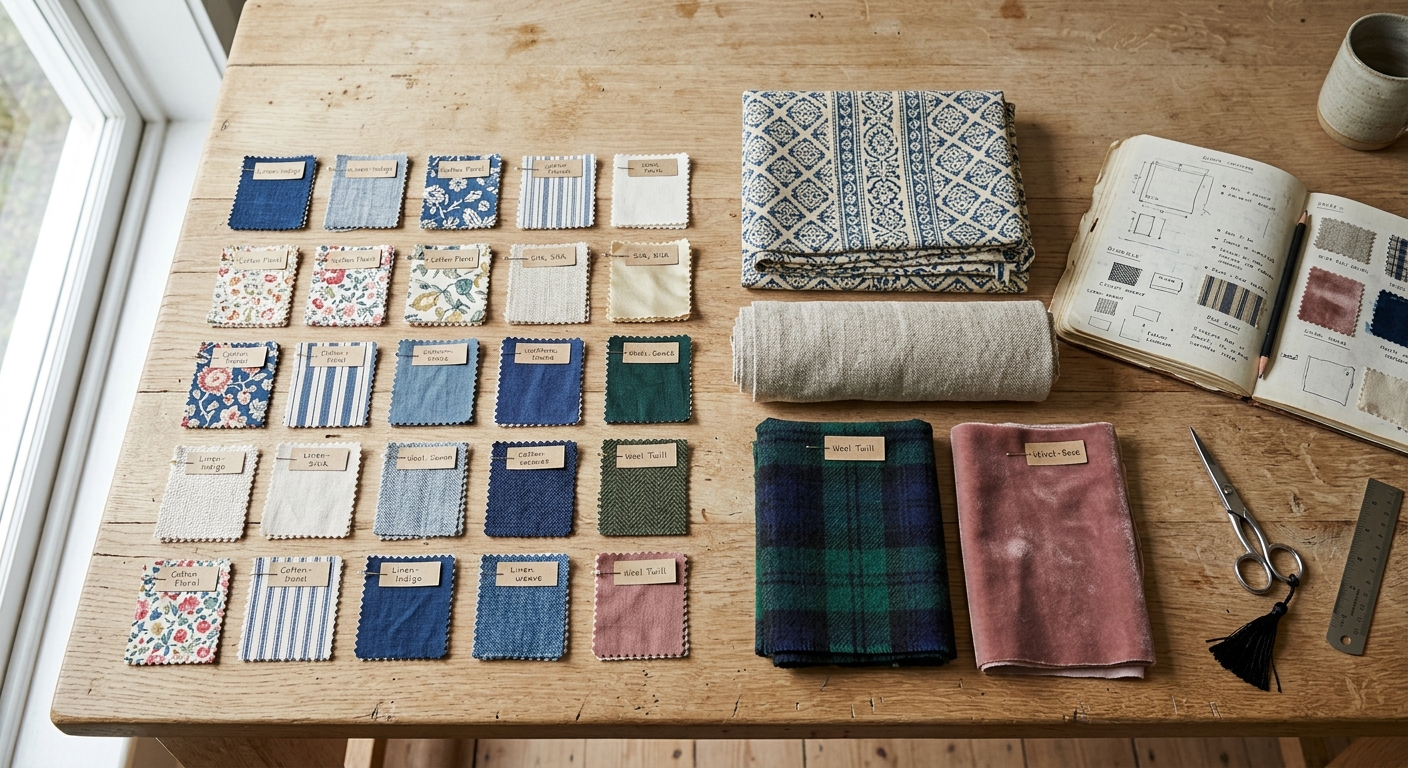
Bulk fabric shopping isn't just cheaper per yard — it locks you into a single dye lot, which solves a problem small-batch buyers run into constantly: color drift between reorders. If you've ever had two 'identical' fabric orders arrive looking noticeably different, you already know why this matters. Our piece on dye lot variance and color mismatches covers exactly why this happens.
The Real Tradeoff: Capital, Not Just Time
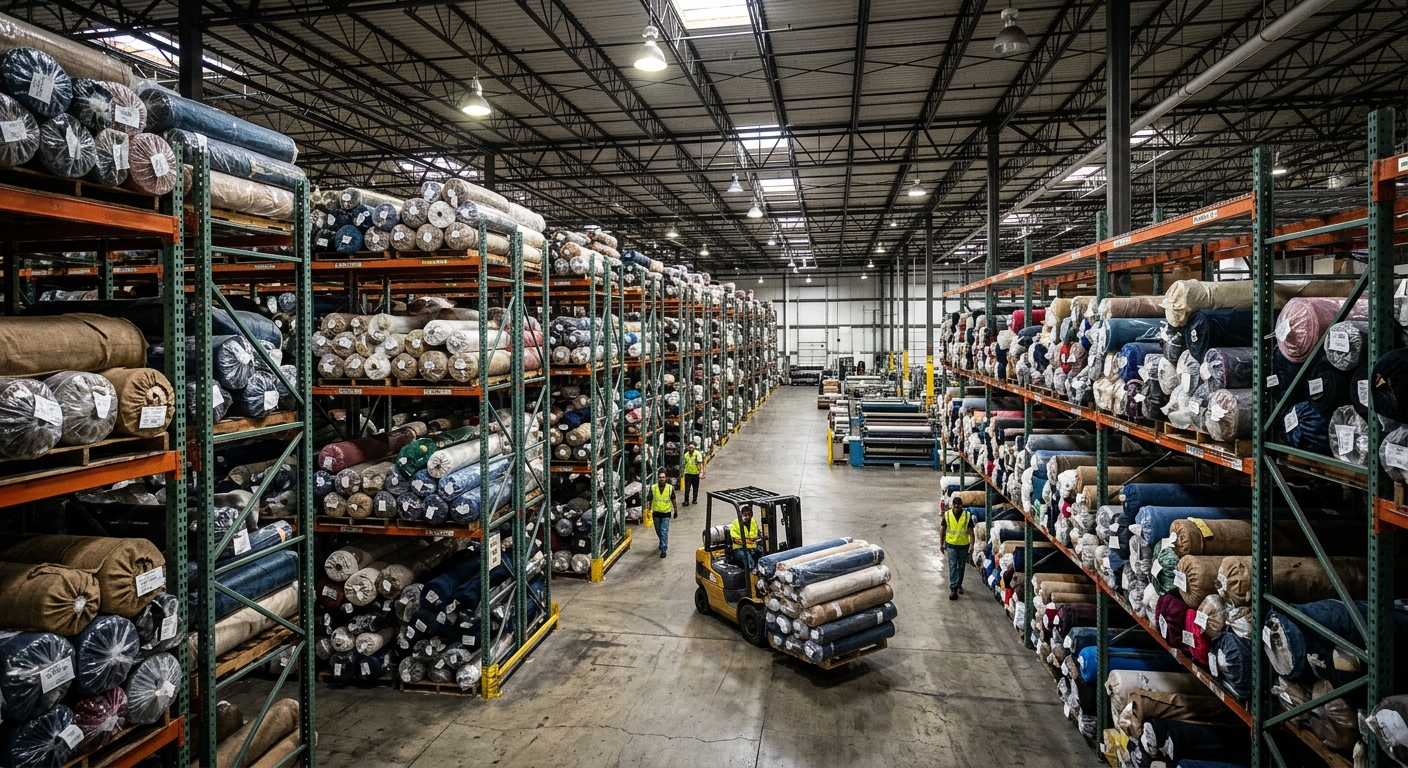
Bulk orders tie up cash for weeks before you see a finished product, especially with overseas mills and customs lead times factored in. A 500-yard order at $6/yard is $3,000 sitting in a warehouse — money that isn't funding marketing, payroll, or your next design.
Bulk only makes sense once you've validated demand. If you're still guessing at sell-through, you're not ready for bulk pricing, no matter how good the spreadsheet looks.
The Comparison, Side by Side
| Criteria | Small-Batch Sourcing | Bulk Wholesale Sourcing |
|---|---|---|
| Typical MOQ | 1–50 yards | 300–1,000+ yards |
| Price per yard | 30–60% higher | Lowest available |
| Lead time | 3–10 days | 4–8 weeks |
| Dye lot consistency | Risk across reorders | Locked in one lot |
| Best for | Sampling, testing demand | Confirmed production runs |
| Cash flow impact | Low upfront risk | High capital tied up |
| Ideal brand stage | Pre-launch to first 500 units | Post-validation scaling |
Notice there's no 'better' column here — it's a stage question, not a quality question.
Which Online Stores Actually Cater to Startups
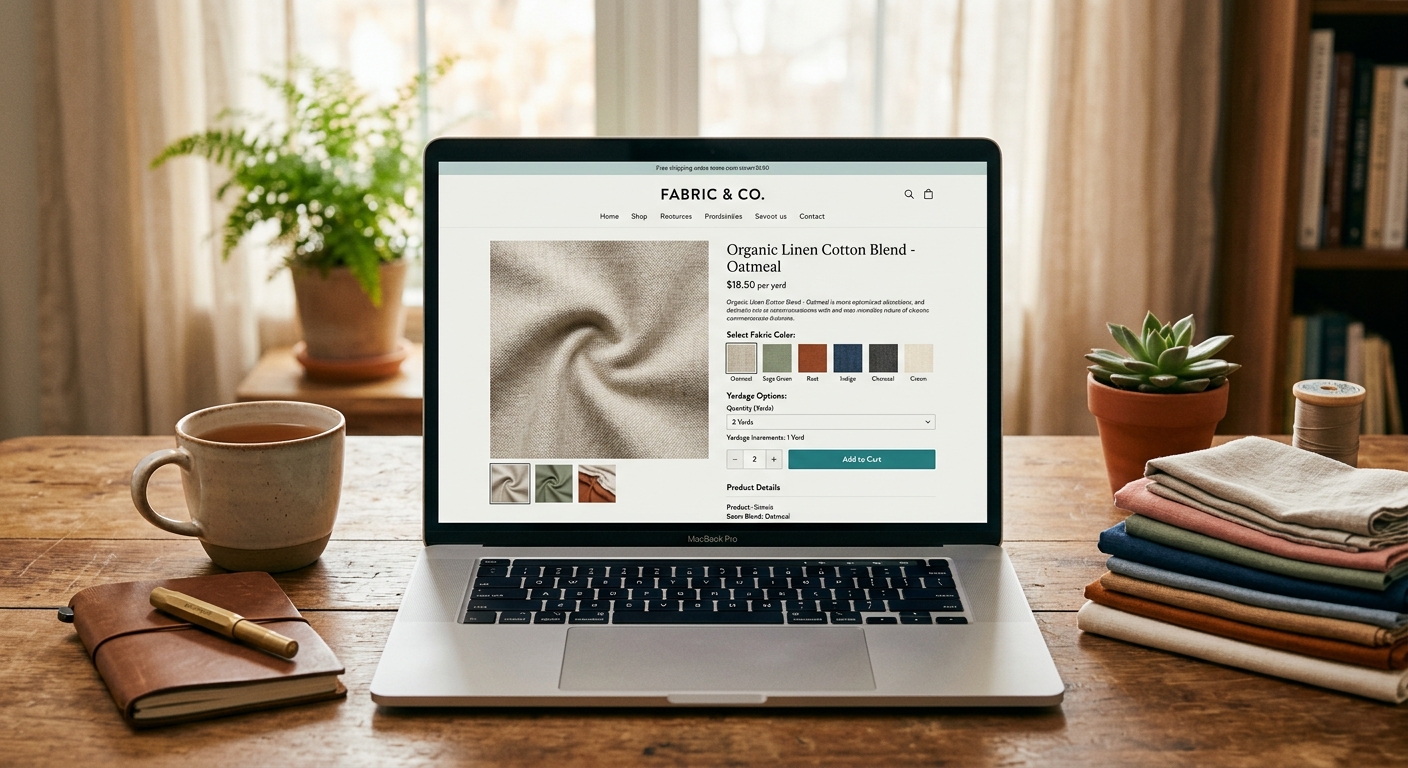
Most 'wholesale' fabric platforms still advertise MOQs written for factories, not founders. The stores that genuinely serve startup brands share three traits: transparent per-yard pricing at low quantities, sample yardage available without a sales call, and fabric spec sheets published up front instead of gatekept behind an account rep.
Red Flags That Signal a Bulk-Only Operation Pretending Otherwise
- MOQ listed as 'contact for pricing' with no number given
- No sample yardage option at all — only full rolls
- Spec sheets that omit GSM, fiber content, or shrinkage rates
If a site hits any of these, run their listing against the checklist in how to audit a fabric supplier before you commit a single dollar. And if pricing seems too good for the yardage offered, revisit red flags when buying fabric online — it's written for exactly this situation.
A Hybrid Strategy Most Startups Never Consider
You don't have to choose one model forever. The smartest startup founders run a hybrid pipeline: small-batch for every new design until it proves itself in at least two sell-through cycles, then transition that exact fabric to a bulk order once demand data backs it up.
For example, a streetwear startup might launch a hoodie in streetwear fabric at 30 yards through a small-batch run, sell out in 11 days, and only then place a 400-yard bulk order for the restock — at that point, negotiating better terms using tactics from the MOQ negotiation playbook.
Why This Beats Committing Early Either Way
You avoid two expensive outcomes at once: overpaying small-batch premiums forever on a proven bestseller, and sitting on dead bulk stock for a design nobody wanted.
Fabric Choices That Make Small-Batch Testing Cheaper
Not every fabric is equally forgiving in small quantities. Blends with more forgiving dye tolerances — like certain Sorona fabric options — tend to hold color consistency better across small dye runs than fabrics requiring precise vat dyeing at scale. That matters if you're testing three colorways before committing.
Startups working in linen fabric should also expect more shrinkage variance at small-batch scale, since mills often run test cuts differently than full production lots — worth reviewing our fabric shrinkage cheat sheet before finalizing a pattern.
When Startups Should Skip Small-Batch Entirely
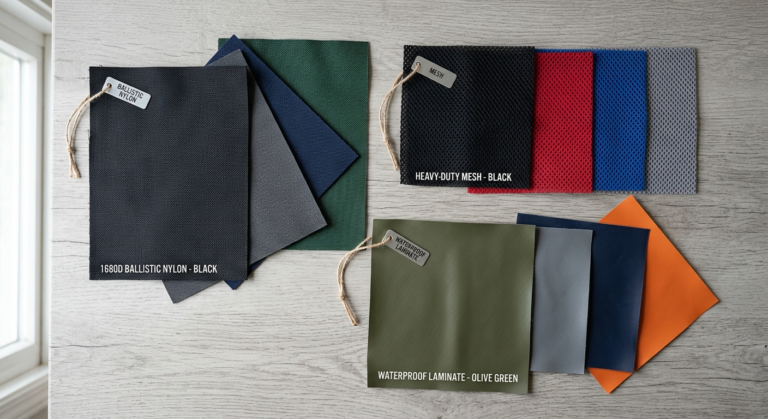
Small-batch isn't always the safer starting point. If your product depends on a fabric with tight technical specs — flame retardancy, medical filtration, or UV resistance for outdoor use — small-batch suppliers often can't certify those properties at low yardage, because testing costs are fixed regardless of order size.
In those cases, going straight to a certified bulk supplier who can document compliance is worth the higher capital commitment. Cutting corners here isn't a cost-saving move — it's a liability.


 Login with Google