


Bamboo, Modal, and Tencel: The Eco-Fiber Boom and Whether It’s Worth the Premium in 2026

Short answer: Tencel earns its premium, modal earns it about 80% of the time, and bamboo viscose is the one you should be skeptical of — despite being marketed hardest as 'eco.' The three fibers get lumped together as sustainable alternatives to cotton, but they're made through completely different processes, and that difference shows up in your cost sheet, your durability numbers, and honestly, in whether you're being greenwashed.
Why These Three Fibers Get Confused (And Why That's a Problem for Buyers)
Here's a mistake we see constantly: buyers treat bamboo, modal, and Tencel as interchangeable 'eco-fibers' because they all start as wood pulp or grass cellulose. They're not interchangeable. They're all regenerated cellulosic fibers, sure, but the manufacturing process is what actually determines whether a fabric deserves the sustainability label — not the raw material.
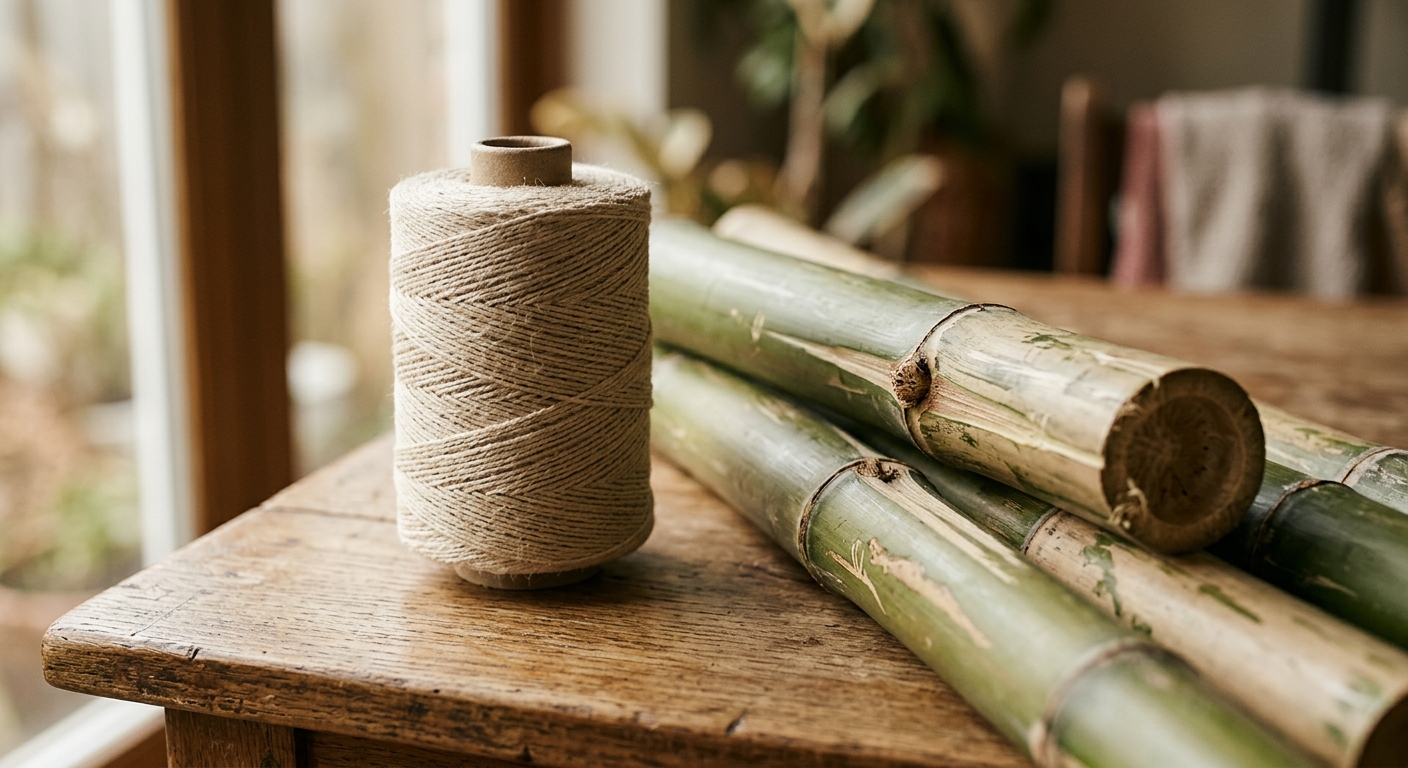
Bamboo grows fast and needs no pesticides. Great. But most commercial 'bamboo fabric' is actually bamboo viscose, made using the same chemical-heavy process as regular rayon — carbon disulfide, sodium hydroxide, the works. The bamboo part is true. The eco-friendly part is mostly marketing copy. Modal and Tencel, on the other hand, use closed-loop or semi-closed-loop systems that recapture and reuse the solvents. That's the real differentiator.
Tencel (Lyocell): The One Fiber That Actually Deserves the Premium
Tencel, the branded lyocell fiber from Lenzing, is the real deal — and the 35-50% price premium over cotton reflects real production costs, not marketing spend. The closed-loop solvent process recovers roughly 99% of the solvent used, and the wood pulp typically comes from FSC-certified forests.
Where it outperforms
Tencel drapes better than cotton, holds dye more evenly (fewer dye lot mismatches in bulk runs), and resists pilling far longer — Tencel blends typically survive 150-200 wash cycles before visible wear, compared to 80-100 for bamboo viscose. For a customer producing bedding or intimates, that durability difference is the whole business case.
For example, a hospitality linen supplier switching from cotton-poly blends to Tencel-cotton sheeting saw a 40% drop in replacement orders over 18 months — the fabric simply held its hand-feel through commercial laundering far longer.
Modal: The Practical Middle Ground
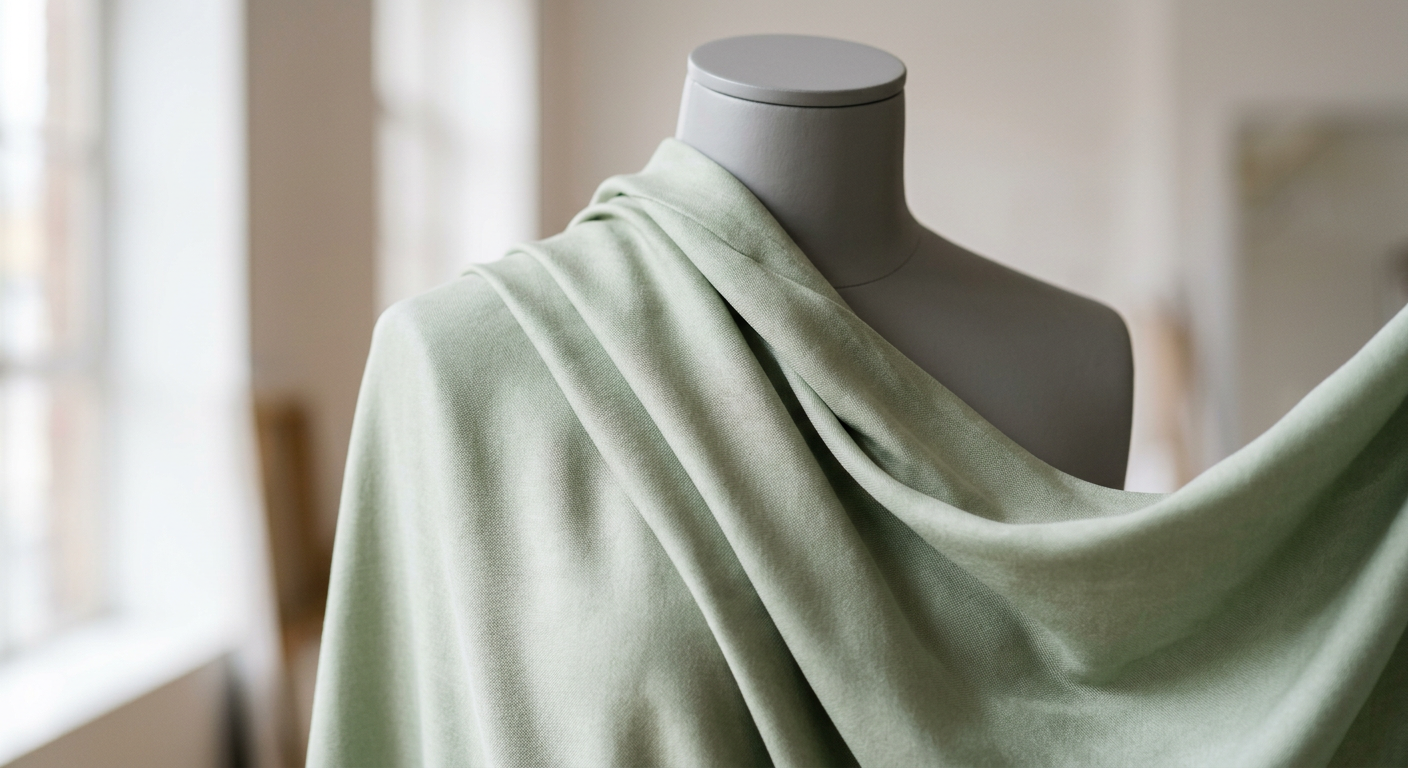
Modal sits between bamboo viscose and Tencel — both in price and in process. It's made from beech tree pulp using a modified viscose process that recovers more chemicals than standard rayon production but less than lyocell. Expect a 25-35% premium over cotton, which is fair given its performance.
Modal's real selling point is moisture management combined with softness — it absorbs 50% more moisture than cotton by weight, which is why it dominates the underwear and activewear basics markets. If you're sourcing for underwear fabric or soft everyday basics, modal-cotton blends usually beat pure cotton on repeat-customer satisfaction scores. It also blends beautifully with elastane for stretch applications — check our breakdown on spandex, Lycra, and elastane if you're building a stretch modal blend.
Bamboo Viscose: Where the Greenwashing Actually Happens
Let's be blunt — most bamboo fabric on the wholesale market isn't the miracle eco-fiber it's sold as. Unless the listing specifically says 'bamboo lyocell' or shows a closed-loop certification, assume it's standard viscose rayon made from bamboo pulp, chemically no different from wood-pulp viscose.
What does that mean for your buy?
It's not a bad fiber — it's soft, breathable, and biodegradable. But paying a 15-25% premium for 'sustainability' when the process is functionally identical to conventional rayon is where buyers get burned. This is the same pattern we flagged in hidden costs of cheap wholesale fabric — the sticker price isn't the full story. Ask your supplier for the Oeko-Tex or FSC certification before paying extra for the 'bamboo' label.
Doing the Real Math: Cost Per Wear, Not Cost Per Yard
A buyer fixated on cost-per-yard will always pick cotton or bamboo viscose. A buyer thinking in cost-per-wear picks Tencel or modal almost every time. Here's the actual math: if a Tencel jersey costs 40% more per yard but lasts twice as many wash cycles before pilling out, your effective cost per garment-life is lower, not higher.
This matters most for high-turnover categories like legging fabric and activewear, where pilling and stretch loss drive returns. Run the numbers against your actual return rate data before assuming the cheaper fiber saves money — it rarely does over a 12-month product cycle.
How to Verify You're Actually Getting What You Paid For
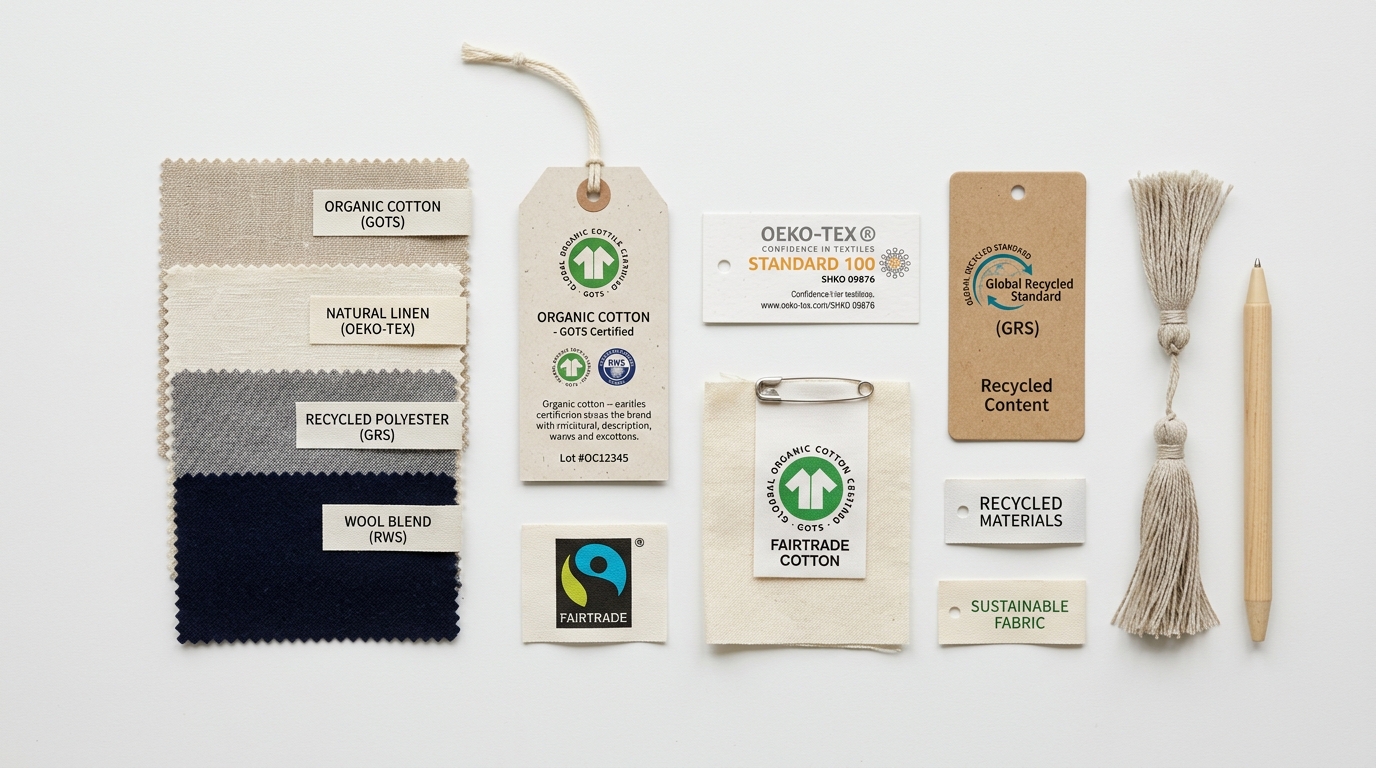
Certifications are the only real proof here — fiber content labels alone won't tell you the process. Look for these specifically:
- Lenzing Tencel trademark — guarantees the closed-loop lyocell process, not generic 'Tencel-style' knockoffs.
- OEKO-TEX Standard 100 — confirms no harmful residual chemicals, relevant for all three fibers.
- FSC or PEFC certification — confirms the wood/bamboo pulp source is responsibly harvested.
- Supplier transparency on process — if they can't tell you whether it's viscose, modal, or lyocell processing, walk away.
If you're vetting a new mill relationship over this, our 12-point supplier audit checklist covers exactly what documentation to request before sending a PO.
Where Each Fiber Actually Belongs in Your Product Line
Stop thinking of these as one category. They serve different jobs:
Tencel
Premium sheeting, intimates, and any product where drape and longevity justify the price — pair it with our guide on lining fabric options if you're building a full premium garment.
Modal
Everyday basics, underwear, and moisture-management activewear where softness and absorption matter more than maximum eco-credentials.
Bamboo viscose
Budget loungewear and lower price-point SKUs — just don't market it as a premium sustainability play unless you've confirmed the process behind it.


 Login with Google