-

Free Samples!



Lining Fabrics Demystified: Cupro, Bemberg, Polyester, and When to Use Each

Table of Contents
Here's the short answer: use cupro or Bemberg when comfort, breathability, and drape matter — think tailored jackets, dresses, and premium suits. Use polyester when budget, durability, or weather resistance wins — think outerwear, uniforms, and high-volume fast fashion. The lining you pick can quietly make or break a garment, and most factories choose wrong because they only look at price per yard.
Why Lining Choice Matters More Than You Think
The lining is the part of the garment that touches skin all day. Customers may not consciously notice it — but they feel it. A breathable cupro lining inside a wool blazer keeps a wearer cool through a four-hour meeting. A cheap polyester lining inside the same blazer turns it into a sauna by lunchtime.
Beyond comfort, lining choice affects three production realities: how the garment hangs, how it ages, and how customers describe it in reviews. A $400 dress with a scratchy polyester lining gets returned. The same dress with bemberg lining gets a five-star review about “hidden quality.”
Lining also handles structural work. It hides seam allowances, smooths over interfacing, and lets the outer shell glide on and off. Pick a lining that fights the shell fabric — say, a stiff poly under a fluid silk — and the whole garment looks wrong without anyone being able to say why.
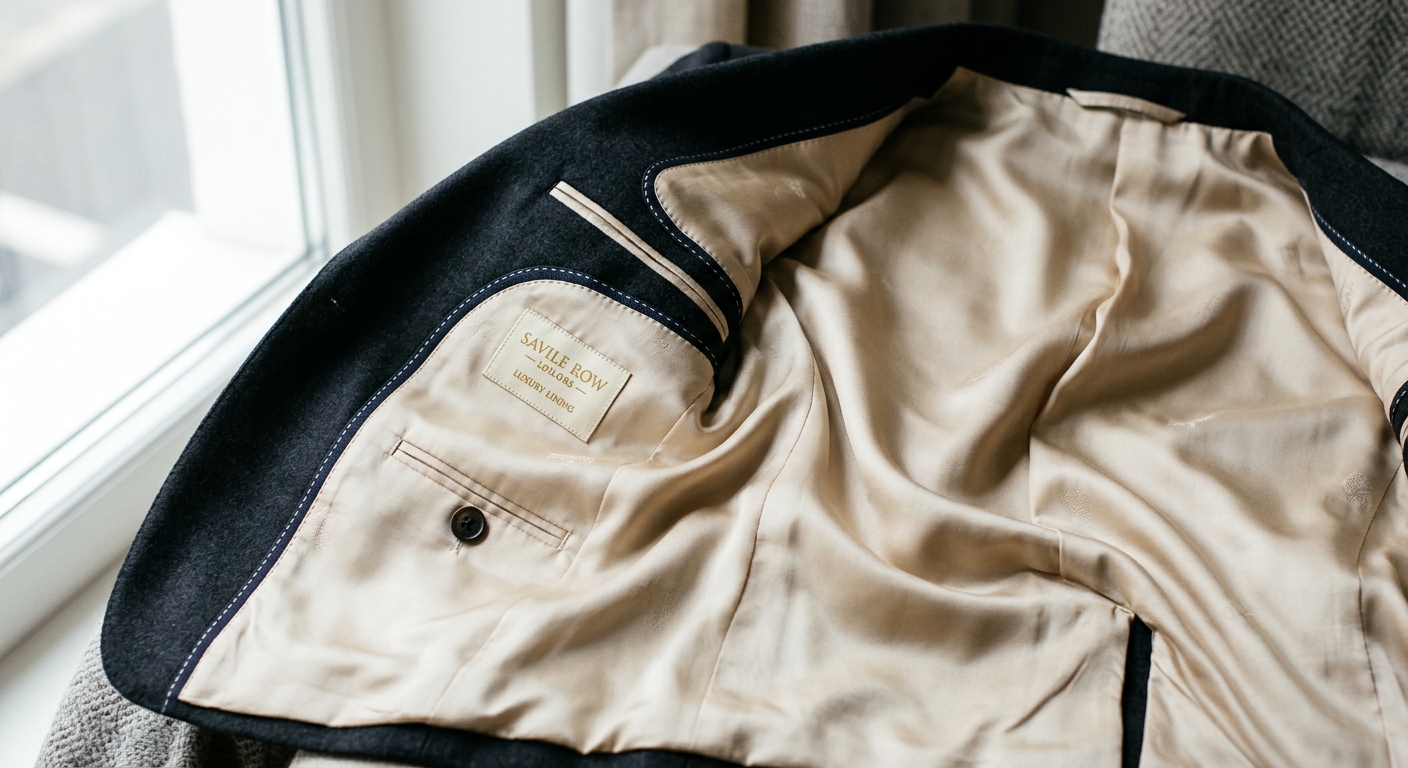
Cupro: The Plant-Based Silk Alternative
Cupro is regenerated cellulose made from cotton linter — the fuzzy short fibers left on cotton seeds after ginning. It's processed through a cuprammonium solution (hence the name), then extruded into fine, silk-like filaments. The result feels cool and slippery on skin, drapes like liquid, and absorbs about 11% of its weight in moisture before feeling damp.
Where cupro shines
- Mid-to-premium dress linings where drape matters
- Tailored jackets and trousers for year-round wear
- Garments marketed as biodegradable or plant-based
Where cupro falls short
It wrinkles. Not catastrophically, but enough that pressed garments need re-pressing after a few hours of wear. It's also pricier than polyester by 3–5x, and it shrinks 3–4% on the first wash. Pre-shrink it before cutting, or build in extra yardage. For context on how shrinkage adds up across a production run, see our shrinkage rates cheat sheet.
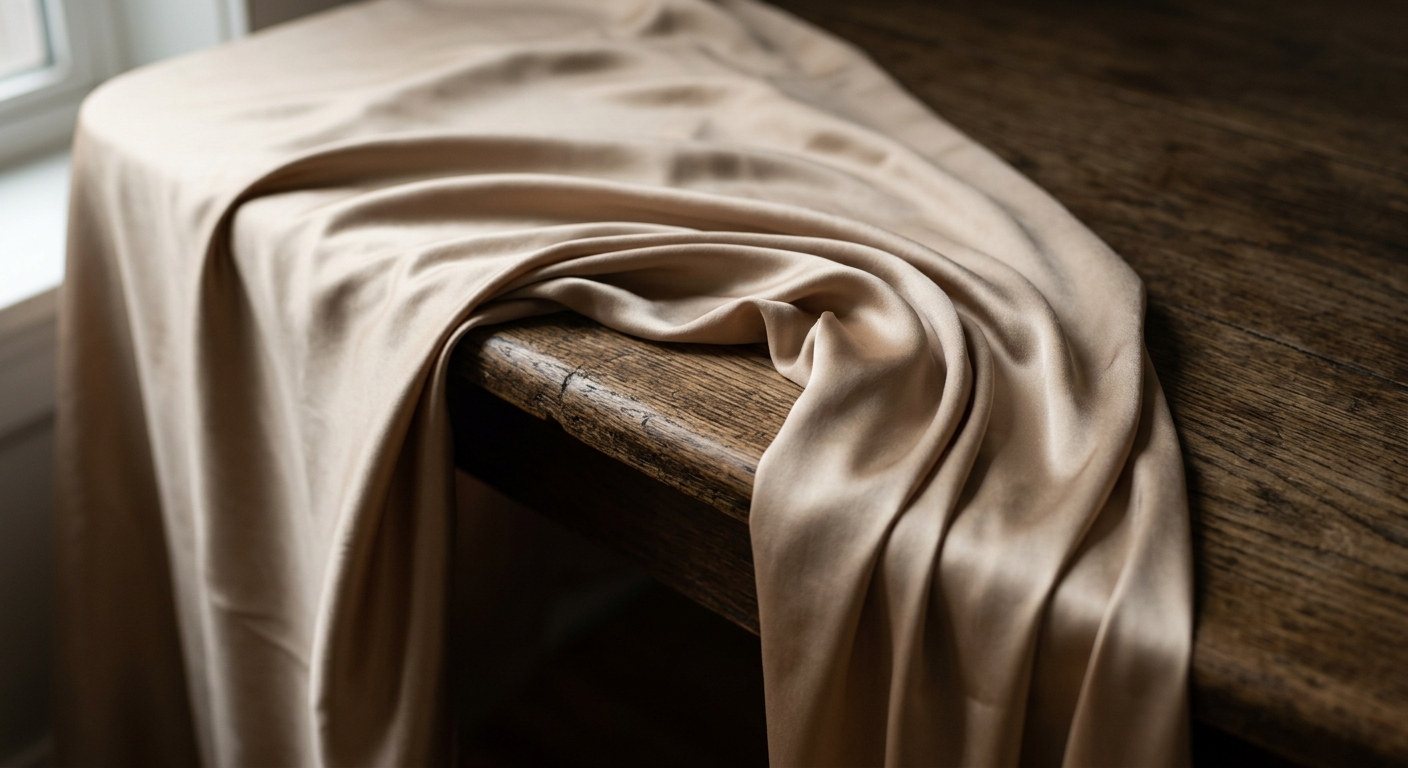
Bemberg: Cupro's Premium Cousin
Bemberg is cupro — but specifically, it's the trademarked cupro made by Asahi Kasei in Japan since 1931. Same fiber chemistry, but with consistency and quality control most generic cupro mills can't match. If you've ever opened a $2,000 Italian suit and seen a smooth, almost silk-like inner shell, there's a good chance it was Bemberg.
The practical difference: Bemberg's filaments are more uniform, so the fabric is more colorfast, more dimensionally stable, and less prone to slubs or weaving defects. You're paying a 20–40% premium over generic cupro for that consistency.
For example, a small Brooklyn-based tailoring studio I worked with switched from generic cupro to Bemberg for their made-to-measure suit line. Their returns for “lining puckering after dry cleaning” dropped to nearly zero within one season. That's the kind of problem that's invisible until it isn't.
When Bemberg is worth the premium
- Garments retailing above $500
- Anything requiring multiple dry cleanings over its life
- Customers who will notice if something feels off
Polyester Lining: The Honest Workhorse
Polyester lining gets a bad reputation, but most of that is misplaced. The problem isn't polyester itself — it's using polyester in the wrong context. For a winter parka, a polyester lining is the right answer. It's durable, water-resistant, dries quickly, and costs a fraction of cellulose alternatives.
Modern polyester linings come in several grades. Anti-static treated polyester reduces cling. Microfiber polyester linings (filament under 1 denier) can feel surprisingly silk-like. Twill-weave polyester adds strength for high-stress areas like jacket sleeves.
The real polyester downsides
- Moisture regain of only 0.4% — sweat sits on the surface
- Heat retention that turns mid-weight garments into ovens
- Static cling, especially in dry climates
- Plastic-bag rustle in cheap weaves
For a deeper dive into where synthetic shines and where it doesn't, our breakdown on cotton vs polyester vs blends covers the bulk-buying tradeoffs. Browse our full polyester fabric inventory if you're sourcing lining-weight options.
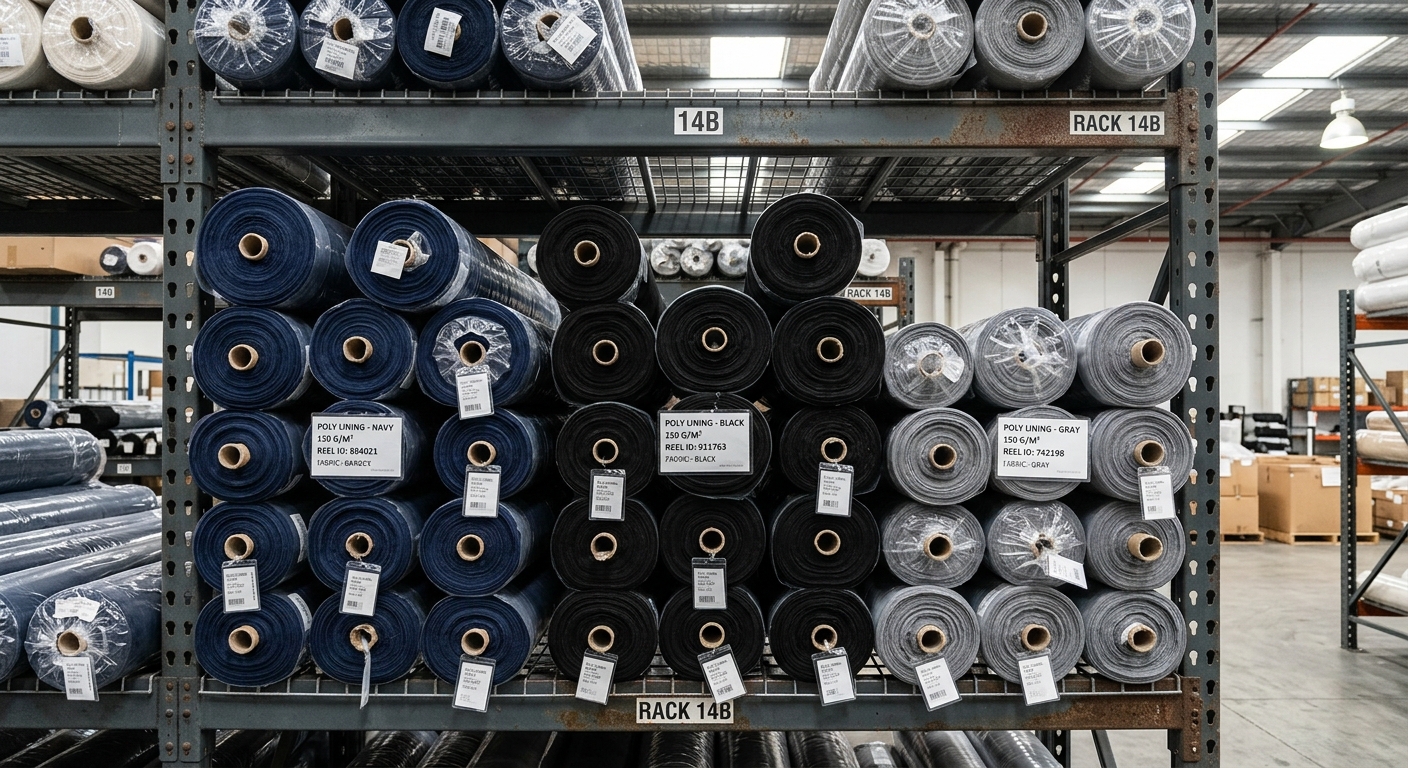
The Decision Matrix: Matching Lining to Garment Type
Forget abstract rules. Here's how to actually choose:
Tailored blazers and suits
Bemberg first choice. Cupro if budget is tight. Polyester only for sub-$150 retail price points or contract uniforms where dry cleaning won't happen often.
Dresses and skirts
Cupro or Bemberg almost always. The drape match with silk, viscose, or lightweight wool shells is critical — a polyester lining will fight the outer fabric and create static cling around the legs.
Winter coats and parkas
Polyester or polyester blend. Breathability matters less because the wearer wants insulation. Add a quilted polyester layer for puffer-style construction.
Trench coats and rainwear
Polyester twill — it resists the moisture that inevitably seeps through outer shells.
Activewear-adjacent jackets
Mesh or moisture-wicking polyester. See our notes on moisture-wicking fabrics for the technical specs. A mesh lining for ventilated pockets or yoke areas often pairs well with a solid lining elsewhere.
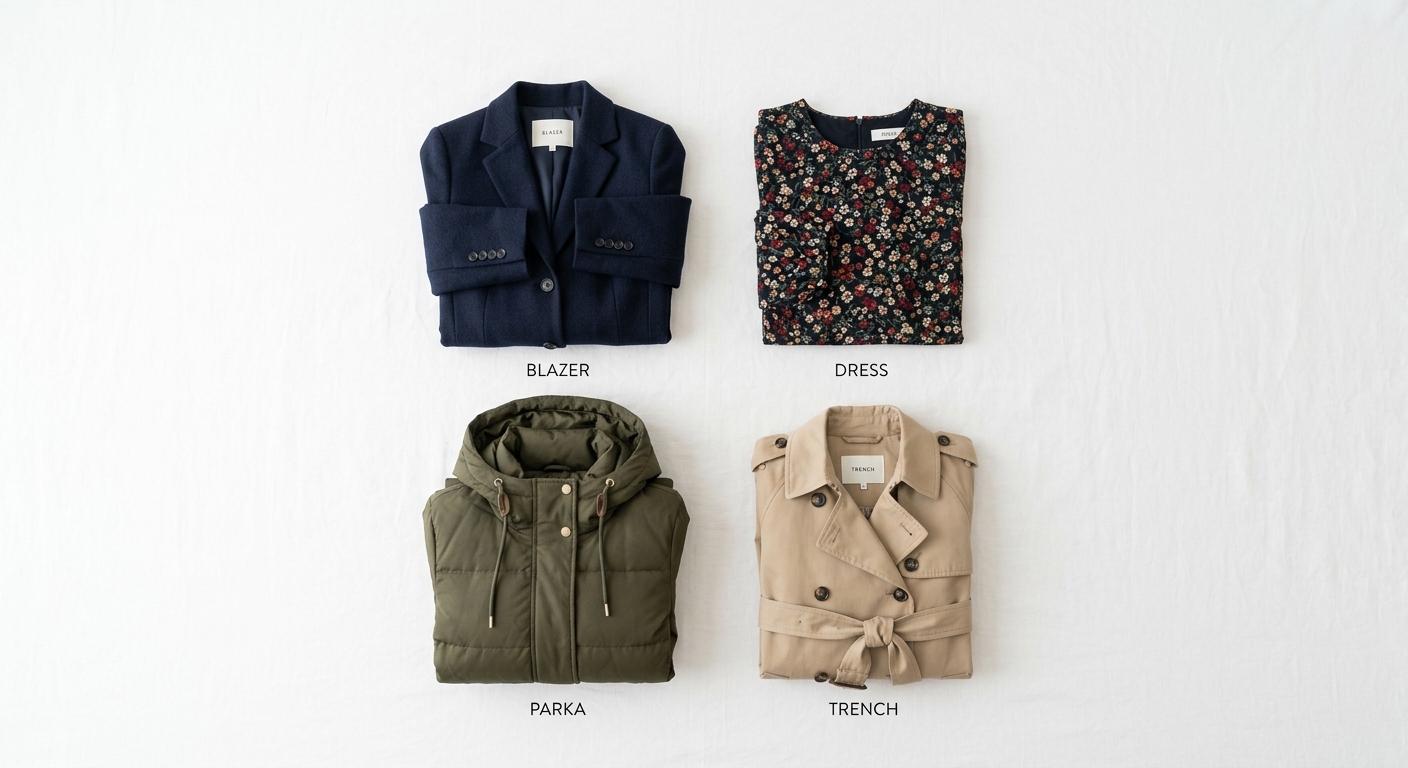
Weight, Weave, and Other Specs to Check
Lining fabrics are usually sold in the 60–90 GSM range. Lighter than that and you'll see seams through the shell. Heavier and the garment loses its drape. For a clean primer on weight terminology, our GSM guide walks through the math.
Weaves to know
- Plain weave (taffeta-style): crisp, slightly stiff, good for structured jackets
- Twill: stronger, slightly heavier, ideal for sleeves and coats
- Satin/sateen: smoothest face, best slip-on feel, but snags easier
For technical buyers, the spec sheet numbers worth tracking include tear strength, colorfastness to rubbing, and dimensional change after washing. Anything below grade 4 colorfastness on the gray scale will eventually bleed into the outer shell.
Cost Math: When the Cheap Lining Actually Costs More
Here's the math that keeps factory managers up at night. A 2-yard polyester lining at $2.50/yard saves you $15 per garment versus Bemberg. Across a 5,000-unit run, that's $75,000. Compelling, right?
Now factor in: a 3% return rate increase because customers complain about sweat stains and clinginess. On a $200 wholesale garment, that's another $30,000 in returns, restocking, and reputational damage. Suddenly the “savings” are gone — and you've trained your customer base to expect lower quality.
The honest rule: if your garment retails above 4x the cost of upgrading to a cellulose lining, upgrade. If you're making $29 fast-fashion blouses, stick with polyester and don't pretend otherwise. For more on where cheap inputs quietly destroy margin, see the hidden costs of cheap wholesale fabric.
Sourcing and Sampling Tips
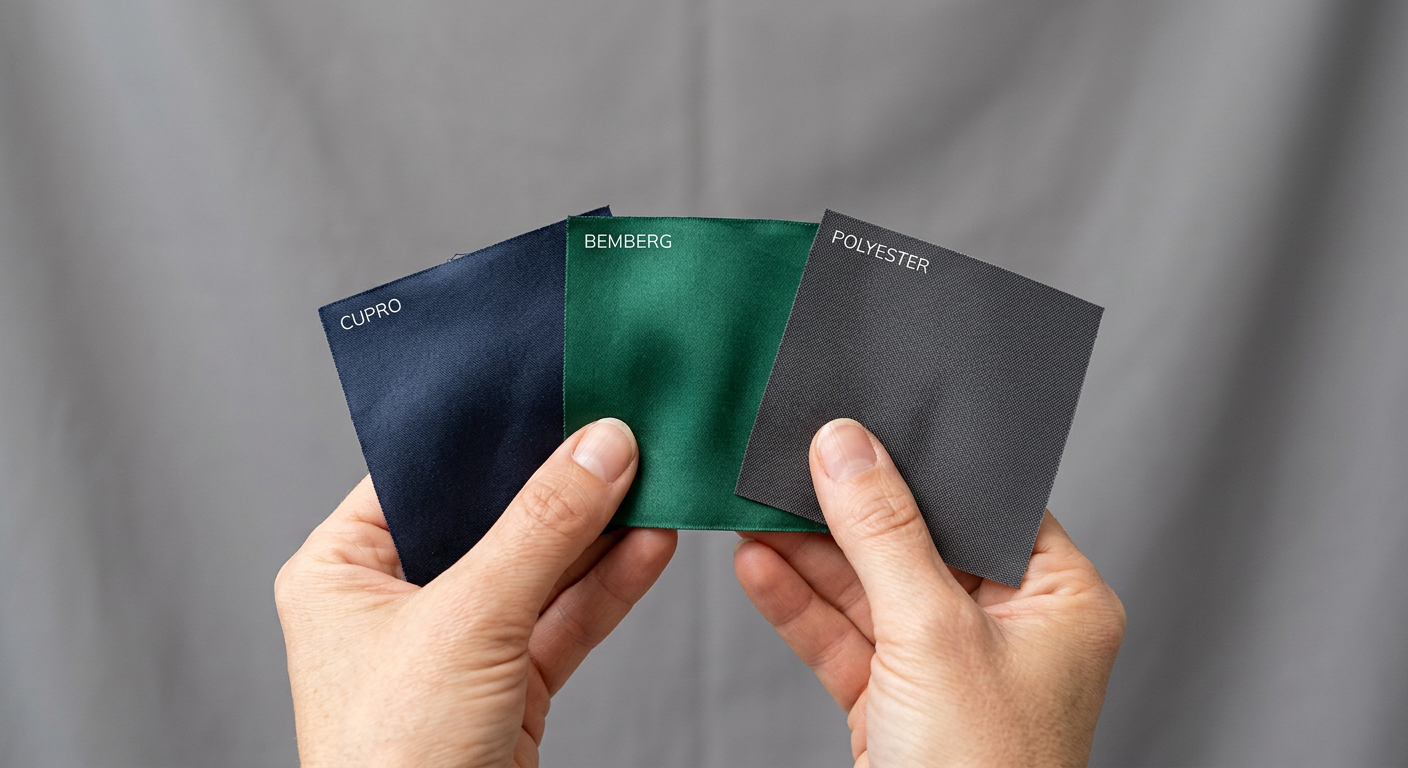
Always order a 1-yard sample before committing to a roll. Linings vary wildly between mills even at the same nominal spec.
Tests to run on samples
- Crumple test: Ball it in your fist for 30 seconds, release. How fast does it recover?
- Static test: Rub against wool. Does it cling for more than 5 seconds?
- Sweat test: Place a few drops of water on the surface. Does it absorb (cellulose) or bead (polyester)?
- Iron test: Press at 150°C for 10 seconds. Does it scorch, melt, or shrink?
For high-volume orders coming through Asian mills, lead times for Bemberg run 6–10 weeks. Generic cupro is 4–6 weeks. Polyester is often in stock domestically. Plan accordingly — our overseas sourcing breakdown covers the timing details.
Putting It Into Practice
The shortest path to picking the right lining: start with how the garment will be worn, not what it costs. A wedding guest dress needs cupro or bemberg. A barn jacket needs polyester. A capsule wardrobe blazer? Bemberg, every time. Then check your retail price point and confirm the math works.
If you're spec'ing linings for a new collection and want to compare options against your shell fabrics — silks, wools, drapey fabrics, or structured wovens — browse the curated wholesale catalog at Global Fabric Wholesale. Request swatches before you commit, and run the four-test routine above. The half-hour it takes will save you a season of returns.



 Login with Google