-

Free Samples!



What to Do When Your Wholesale Fabric Arrives Damaged: A Step-by-Step Claims and Refund Guide

Table of Contents
If your wholesale fabric arrives damaged, your first move is to document everything before you touch the packaging further, then contact the supplier within 48 hours with photos, your PO number, and a specific resolution request. Most reputable wholesalers will offer a refund, replacement yardage, or store credit — but only if you follow their claims window and provide clear evidence. Miss the deadline or skip the paperwork, and you're stuck eating the cost.
The First 15 Minutes Matter More Than You Think
Here's the mistake almost every buyer makes: they unbox the fabric, sigh, and start unrolling it to assess the damage before taking a single photo. Don't. The moment you disturb the packaging, you weaken your claim.
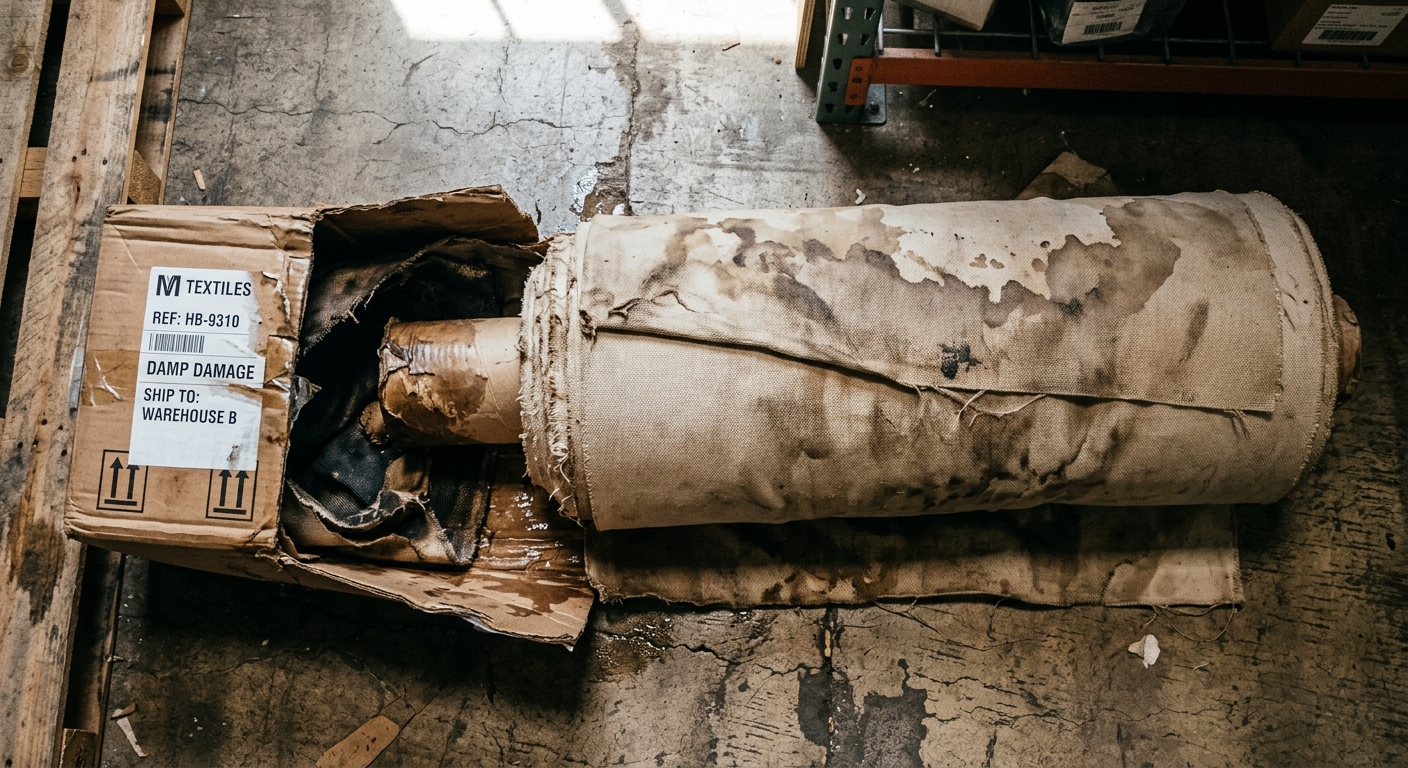
Photograph the shipping box or pallet exactly as it arrived — torn corners, water rings, crushed edges, all of it. Then photograph the packing slip and shipping label showing the carrier and tracking number. Only after that should you open the bolt and photograph the actual fabric damage, ideally with a tape measure in frame so the supplier can see how much yardage is affected.
For instance, a home décor manufacturer once received a roll of canvas fabric with a 3-foot water stain running through the middle of the bolt. Because they photographed the soaked cardboard sleeve before opening it, the supplier approved a full refund in under 24 hours — no back-and-forth required.
Know Your Claims Window Before You Order, Not After
Most wholesale fabric suppliers give buyers a 48-to-72-hour window from delivery to report damage — some stretch to 7 days, but very few go beyond that. This window usually gets buried in the fine print, so check it the moment you place an order, not the moment you need it.
Global Fabric Whole Sale customers can find exact policy terms and reporting deadlines through our support team, who can also walk you through expedited replacement shipping if a production deadline is on the line.
Why the Clock Starts at Delivery, Not Discovery
This trips up a lot of buyers who order fabric for a project that doesn't start for a few weeks. If the roll sits in a warehouse corner unopened for 10 days and then turns out to be damaged, most suppliers will deny the claim — even if the damage clearly happened in transit. Inspect within 24 hours of receiving any shipment, even if you don't plan to use it right away.
What Counts as 'Damaged' — And What Doesn't
Not every imperfection qualifies for a refund, and knowing the difference saves you from a frustrating dispute. Tears, mildew, water stains, crushed bolts, and shipping punctures are damage. Natural texture variation in a bouclé fabric or slight sheen differences in acetate fabric are not — those are inherent to the material.
Dye lot mismatches are a gray area worth understanding separately. If your reorder doesn't match your first order's color, that's not shipping damage — it's a manufacturing variance issue, and it gets resolved differently. We cover that scenario in detail in our guide to dye lot variance, which is worth bookmarking if you order the same fabric repeatedly.
The Gray Zone: Selvage Flaws
Small flaws within an inch or two of the selvage edge are typically considered normal and not claimable, since that portion usually gets trimmed off during cutting anyway. Damage more than 3 inches into the usable width of the fabric, though, is fair game for a claim.
Building a Claim That Gets Approved on the First Try
A vague email saying 'my fabric came damaged' gets you a slow, back-and-forth response. A claim with specifics gets approved fast. Include these five things every time:
- PO number and order date
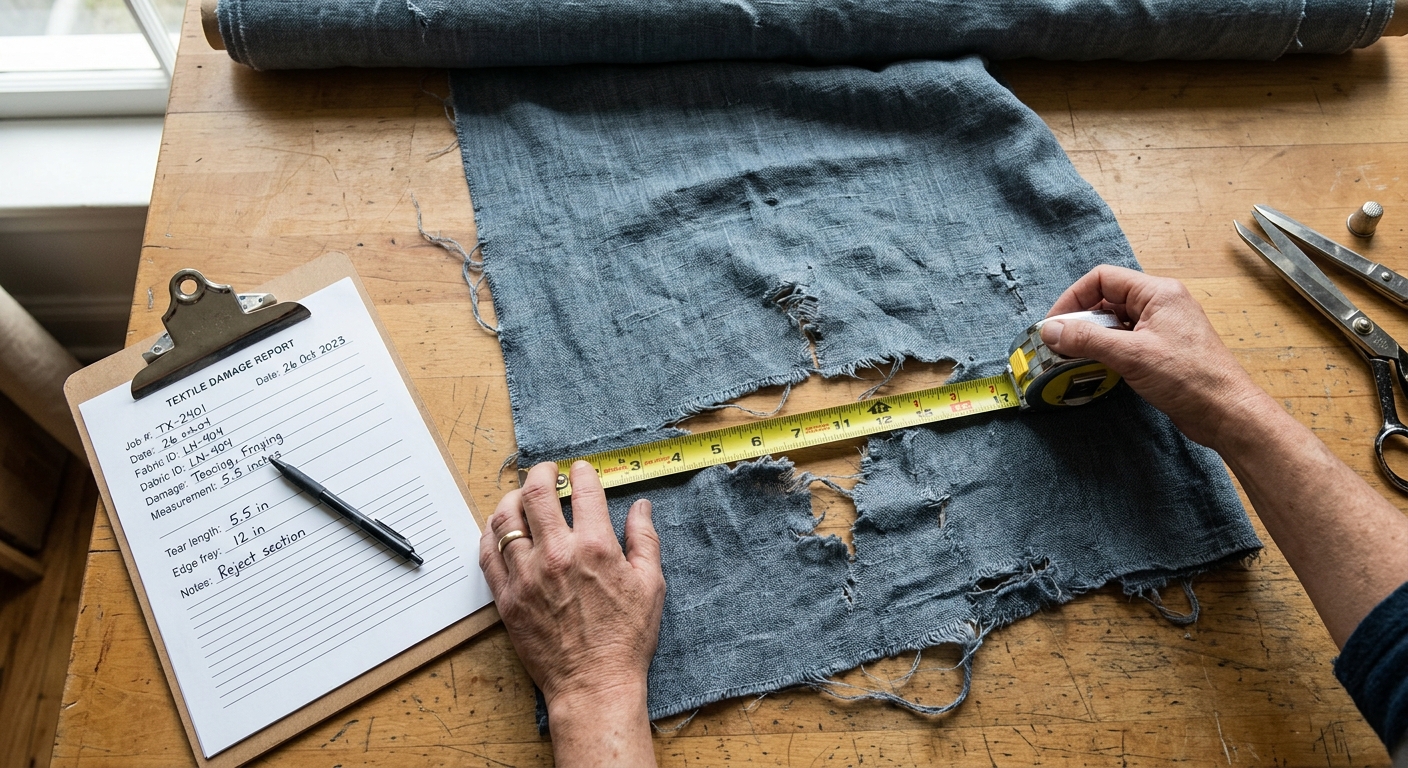
- Photos of packaging as received, plus close-ups of the damage with a measuring tape
- Total yardage affected (not just 'part of the roll')
- Your requested resolution — refund, replacement, or credit
- Carrier name if damage looks transit-related
Suppliers process claims faster when you tell them exactly what you want instead of leaving it open-ended. If 8 yards out of a 50-yard roll of velveteen fabric got crushed in transit, ask for a partial credit on those 8 yards rather than a blanket complaint about the whole order — it's a much easier 'yes' for whoever is reviewing your claim.
Refund, Replacement, or Credit: How to Pick the Right Ask
The resolution you request should match your production timeline, not just the size of the damage. If you're mid-production and can't wait for replacement shipping, ask for a refund on the damaged portion and source a rush order elsewhere. If the fabric is a specialty item like damask fabric that's hard to match exactly, request replacement yardage from the same dye lot instead of a refund — otherwise you risk a color mismatch on your next order.
Store credit makes sense when the damage is minor and you're a repeat buyer anyway. It usually processes faster than a cash refund and keeps the relationship simple for both sides.
When the Supplier Pushes Back
Every once in a while, a supplier disputes a claim — usually by suggesting the damage happened after delivery, not during shipping. This is where your Step 1 photos earn their keep. If you documented the packaging condition on arrival, you have proof the damage predates your handling of it.
If a supplier still refuses a legitimate claim, escalate calmly: reference your original photos, cite the specific policy timeline you followed, and ask for a supervisor review rather than repeating your complaint to the same rep. Most disputes resolve at this stage. If a supplier consistently fights fair claims, that's a red flag worth remembering for future orders — we go deeper on supplier red flags in this guide to spotting problem sellers before you buy.
Preventing the Next Damaged Shipment
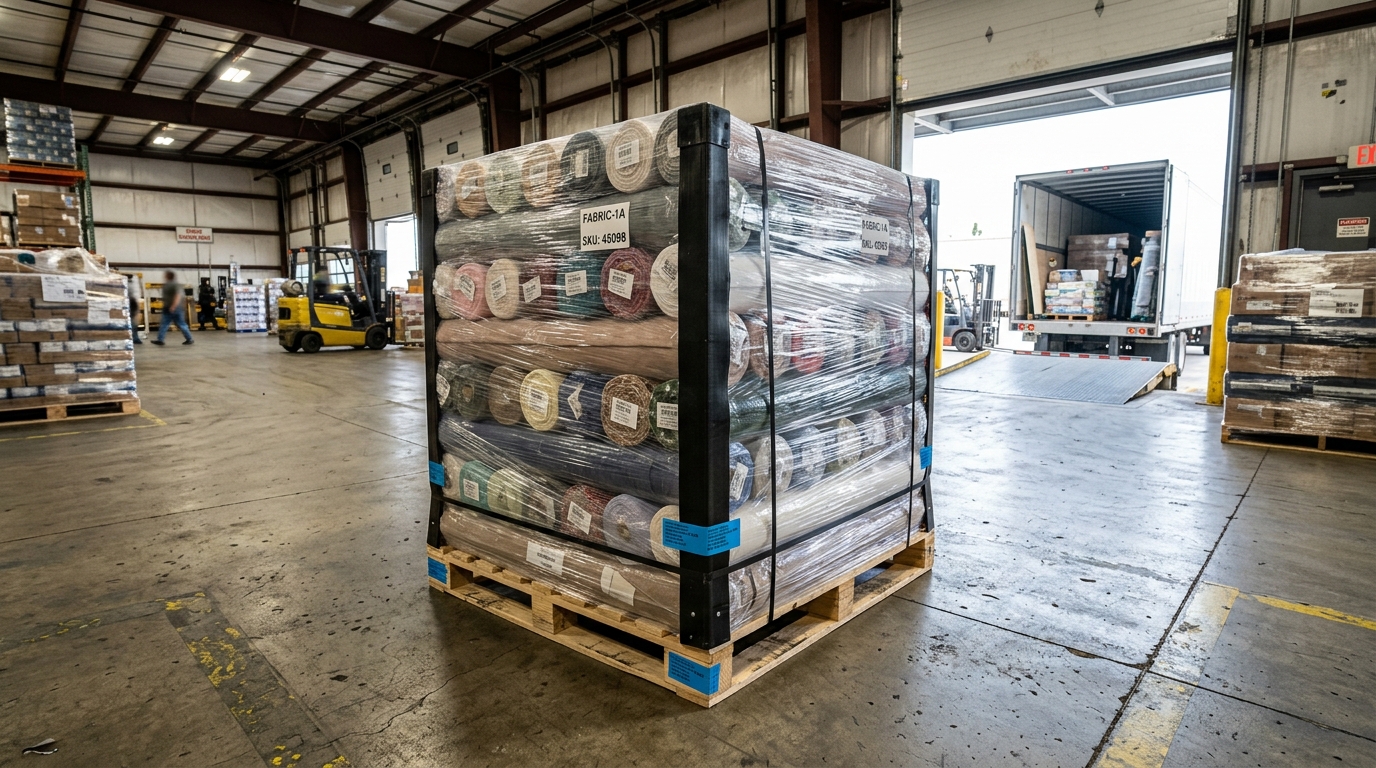
Claims are reactive. The smarter move is reducing the odds you need to file one at all. Ask suppliers how they package specific fabric types — a embossed fabric roll needs rigid tube packaging to prevent crushing the texture, while blanket fabric in bulk should ship on pallets with corner protection, not stacked loose.
Ask About Insurance on Large Orders
For high-value bulk orders, ask whether shipping insurance is included or available as an add-on. A $200 insurance line item on a $6,000 order of polyurethane leather fabric is cheap peace of mind if a pallet gets mishandled by the carrier. It also gives you a faster path to resolution since the claim goes through the carrier's insurer rather than depending entirely on supplier goodwill.
Keep a Damage Log If You Order Fabric Regularly
If you're a repeat wholesale buyer — say, ordering single jersey fabric or performance wear fabric monthly for production — keep a simple spreadsheet log of every damage claim: date, supplier, fabric type, damage cause, and resolution time. Patterns show up fast. If one carrier is responsible for 80% of your damage claims, you can request a different shipping method on future orders. If one specific fabric type keeps arriving crushed, that's useful leverage in your next pricing or packaging negotiation.





 Login with Google