

The Truth About ‘Organic’ Fabric Labels: What Certifications Actually Guarantee

An 'organic' fabric label almost never guarantees what buyers assume it does — it typically only certifies the raw fiber, not the dyes, finishes, or chemicals applied afterward. Unless the label specifically cites GOTS (Global Organic Textile Standard), you're looking at a claim about the cotton plant, not the finished textile in your hands. That distinction matters more than most spec sheets let on, and it's costing bulk buyers money when they pay a premium for a claim that doesn't cover what they think it does.
The Word 'Organic' Isn't Actually Regulated on Fabric
Here's the uncomfortable truth: unlike food, there's no single legal body policing the word 'organic' on a fabric hangtag in most markets. A supplier can print 'organic cotton' on a swing tag with zero third-party verification, and in many jurisdictions, nothing stops them. That's why the certification logo matters infinitely more than the word itself.
The USDA only regulates 'organic' claims on raw agricultural products sold in the US — meaning it can certify how the cotton was farmed, but it has no jurisdiction over how that cotton was spun, dyed, or finished into fabric. Once fiber leaves the farm, USDA Organic goes silent. That's the gap GOTS was built to close.
GOTS: The Only Certification That Follows Fabric All the Way to Your Roll
What GOTS Actually Checks
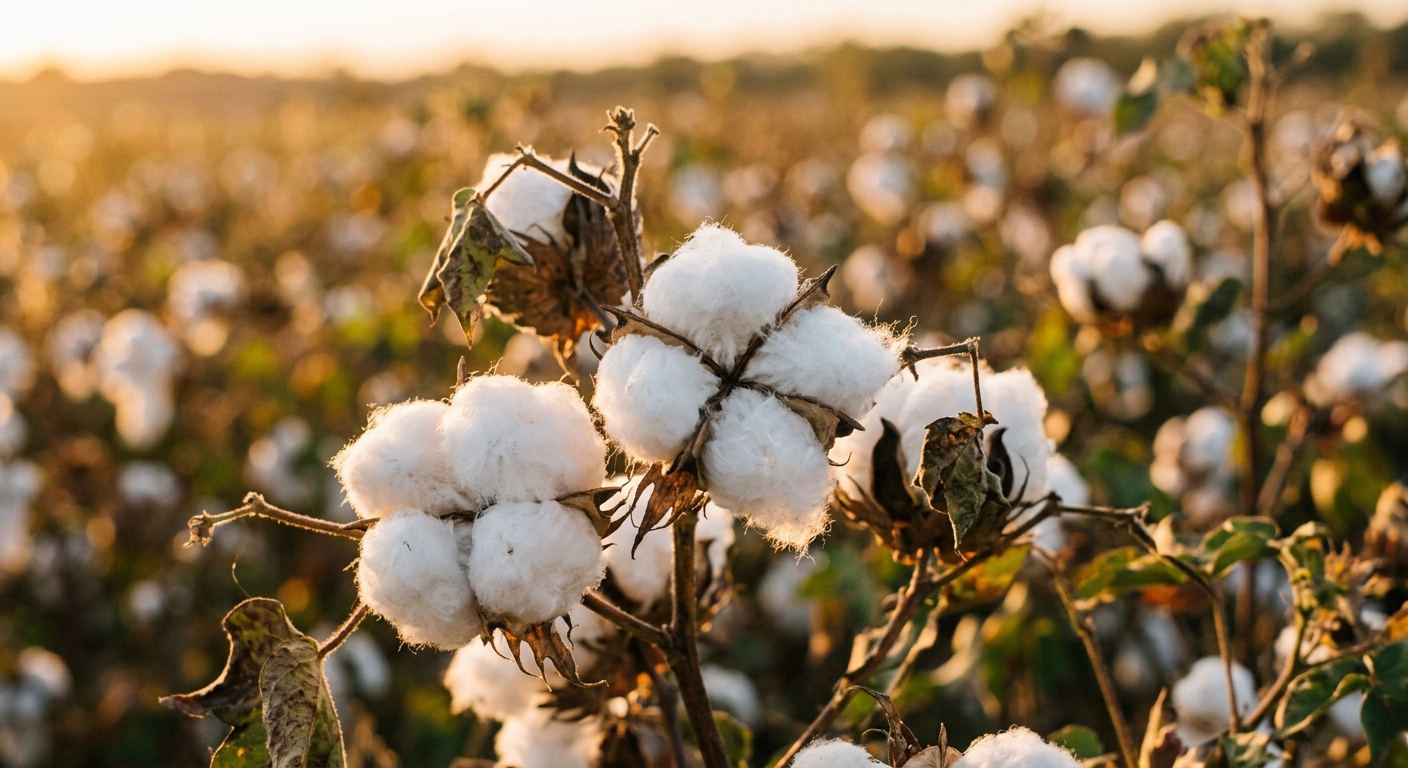
GOTS is the gold standard for a reason — it's the only major certification that tracks organic status through every stage: ginning, spinning, dyeing, printing, and finishing. To carry the 'organic' GOTS label, fabric must contain at least 95% certified organic fiber, and the remaining processing has to meet strict environmental and toxicological criteria — no azo dyes, no formaldehyde-based finishes, no PVC.
Why This Matters for Bulk Buyers
For instance, a children's apparel brand sourcing GOTS-certified jersey isn't just buying organic cotton — they're buying assurance that the wastewater from dyeing didn't carry heavy metals and that the fabric passed a residue test for harmful substances. That's a meaningfully different guarantee than a fabric labeled simply 'made with organic cotton.' If you're sourcing for hoodie fabric or other skin-contact apparel, this distinction is where the real risk lives.
OCS: A Cheaper, Weaker Cousin That Gets Confused with GOTS
OCS (Organic Content Standard) sounds similar but guarantees far less. It verifies only the percentage of organic fiber in the final product — nothing about dyes, chemical finishes, wastewater treatment, or labor conditions. A fabric can be OCS-certified at 'Organic 30' (30% organic content) and still be treated with the same conventional dye process as any non-organic run.
This is where suppliers get sloppy with marketing language. 'OCS certified' sounds equally credible to a buyer skimming a spec sheet, but it's a fraction of the assurance GOTS provides. If your customer-facing marketing leans on sustainability claims, mixing these two up is a liability — you'd be overstating what the fabric actually delivers.
The Numbers That Actually Prove Organic Status
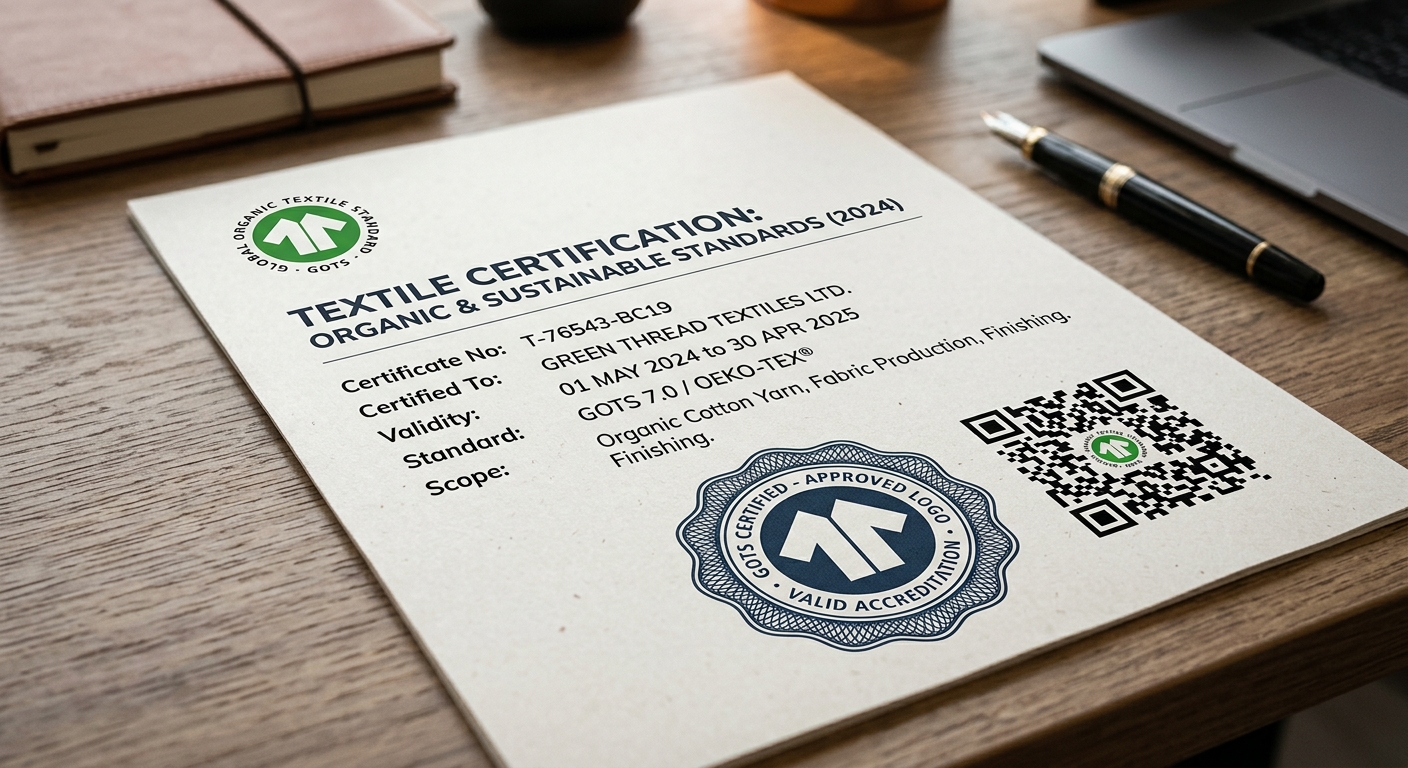
Don't take a logo at face value — ask for the transaction certificate (TC) number. Every legitimate GOTS or OCS shipment comes with a scope certificate and a transaction certificate that's traceable through the certifying body's public database. A real certificate lists the specific certified entity (the mill or trader), the certification body (like Control Union or Ecocert), and an expiration date.
A red flag worth remembering: certificates expire annually. Suppliers sometimes keep using an old logo on marketing materials after their certification has lapsed. This is exactly the kind of documentation gap covered in our 12-point supplier audit checklist — always request the current TC before wiring a deposit, not after.
Organic Doesn't Mean Chemical-Free After the Farm
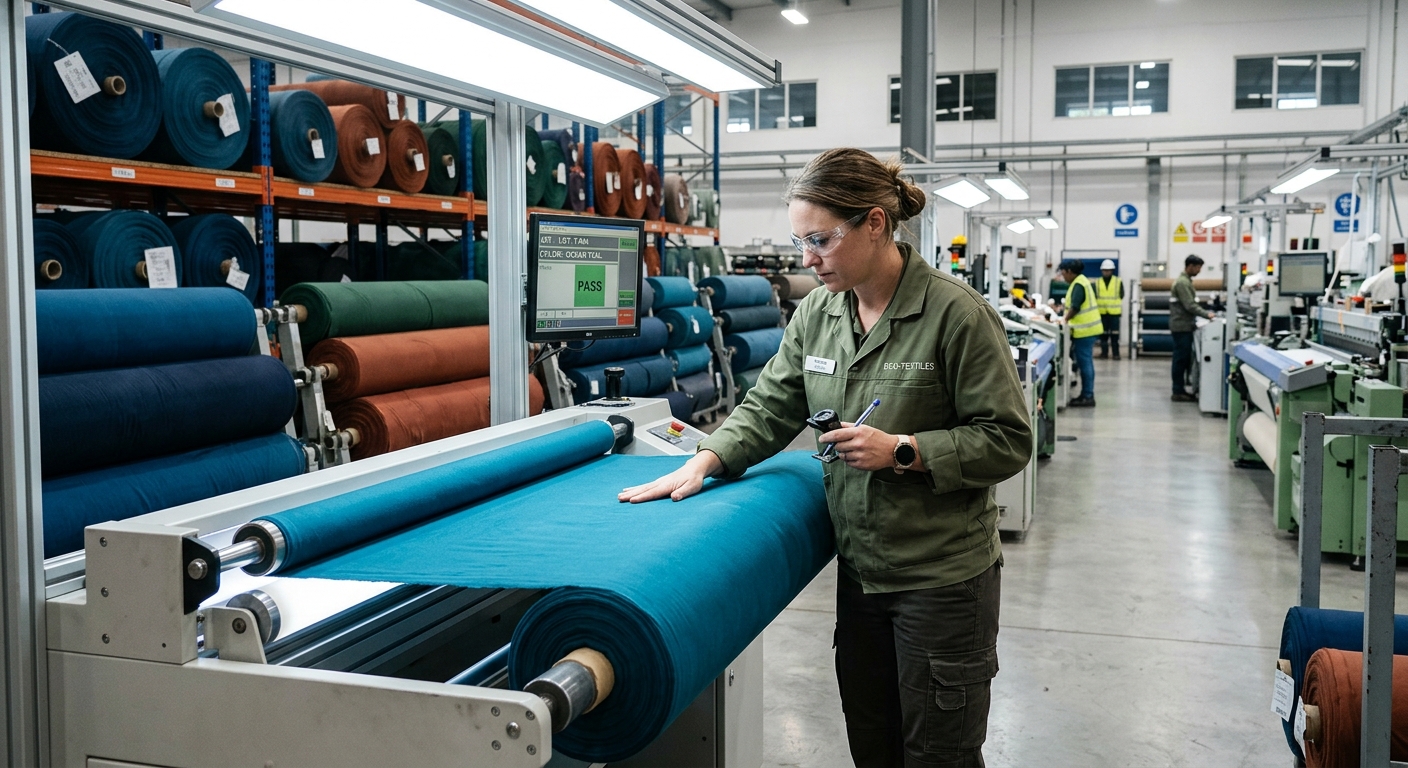
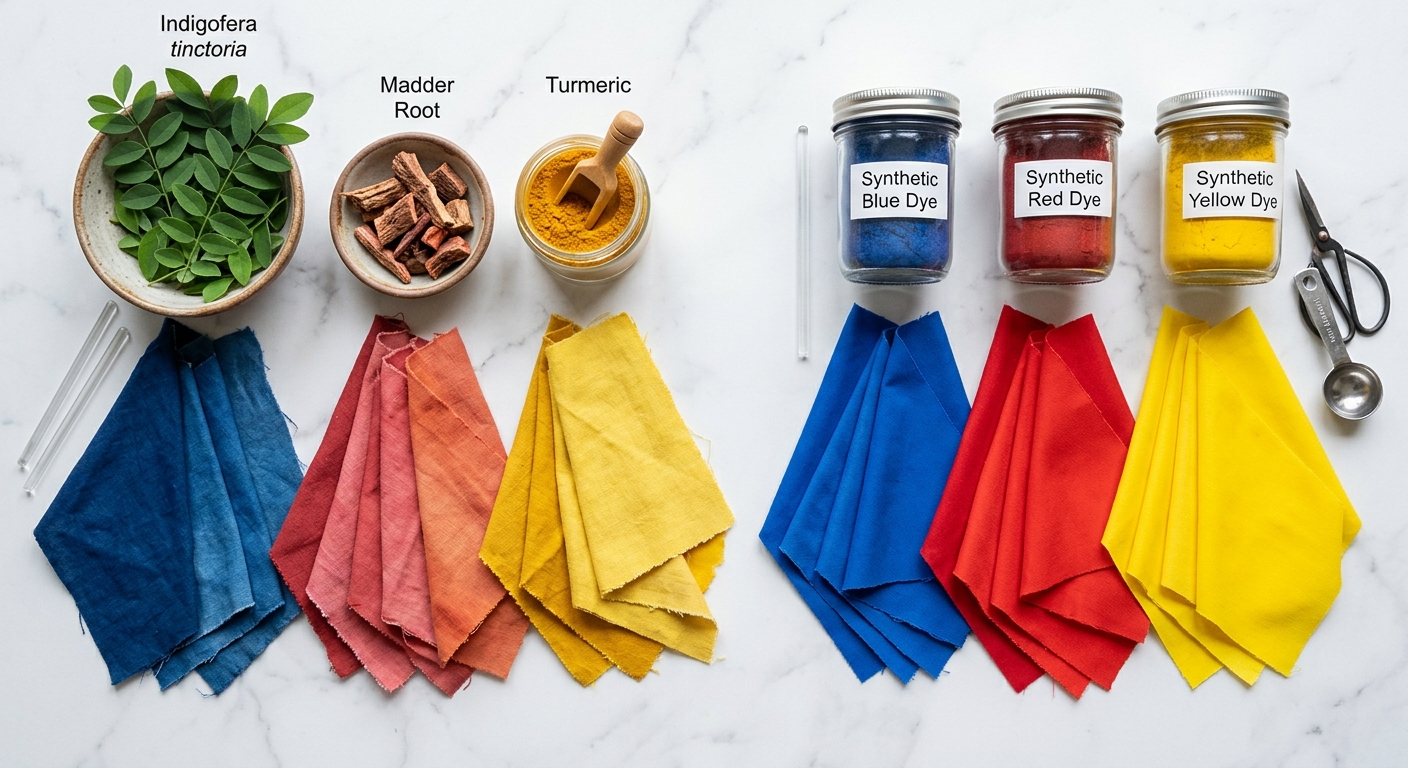
A common misconception: organic fiber automatically means a 'clean' finished fabric. It doesn't. Organic cotton can still be bleached, dyed with synthetic colorants, or coated with a water-repellent finish after harvest — unless the certification (GOTS) specifically restricts that. This is a critical distinction if you're comparing dye processes across suppliers; our breakdown of natural vs. synthetic dyes covers how coloring choices affect both durability and sustainability claims independently of fiber sourcing.
For example, a home goods brand once sourced 'organic' chambray fabric only to discover post-purchase that the indigo dye used was a conventional synthetic — technically legal under OCS, but a marketing headache once customers asked questions. Reading the certification scope before purchase would have avoided that entirely.
Blends Complicate Everything — Here's the Math
Certification rules get murky fast once you're dealing with blended fabrics. GOTS requires a minimum 70% organic fiber content for products labeled 'made with organic materials' (versus 95% for the full 'organic' claim). So a fabric that's 75% organic cotton and 25% conventional elastane can legally carry a GOTS label — just a different tier of it.
This matters enormously for stretch fabrics. If you're comparing performance blends, it's worth cross-referencing our guide on spandex, Lycra, and elastane differences alongside the certification tier, since the elastane portion of a blend is almost never organic-certifiable — synthetic stretch fibers simply don't qualify under organic agricultural standards.
Why Recycled and Organic Get Conflated (And Why That's a Problem)
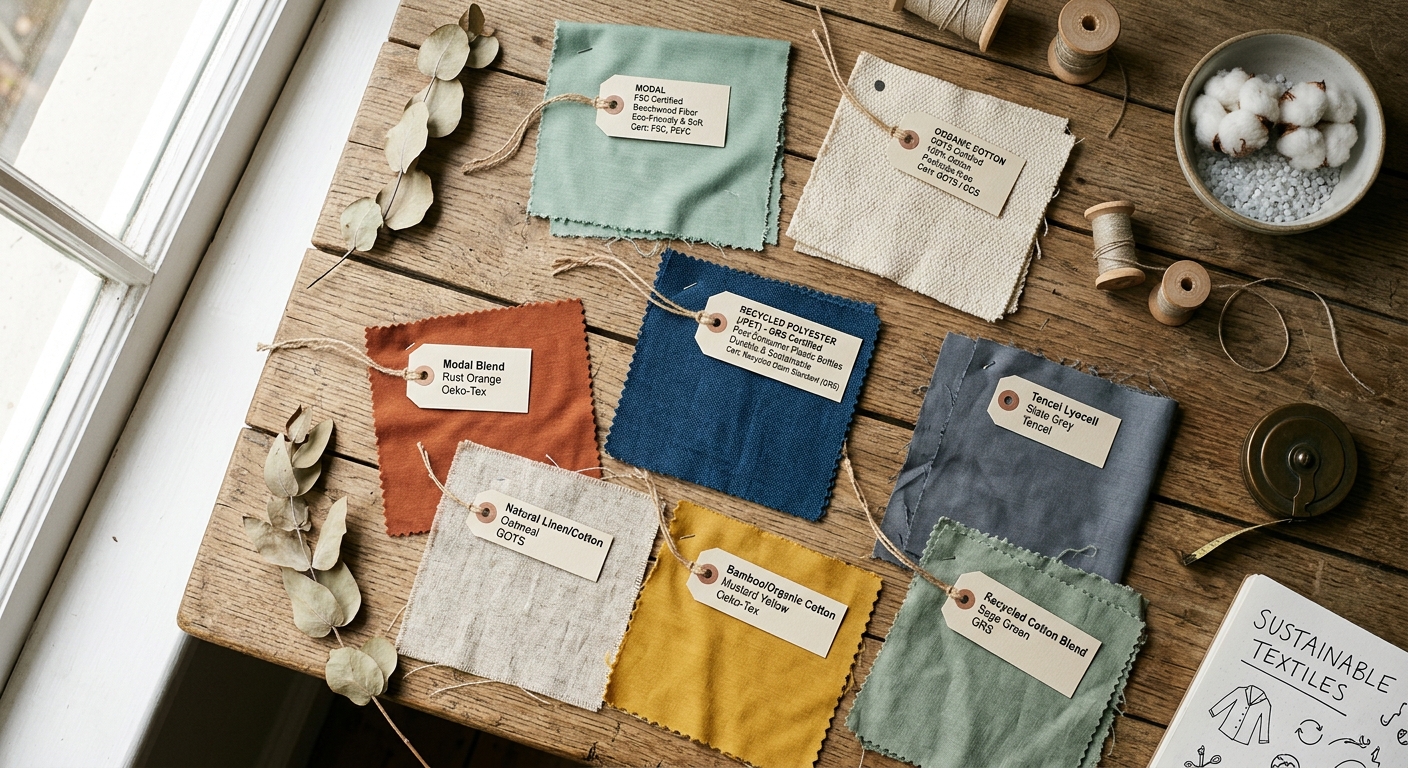
Buyers frequently assume 'organic' and 'eco-friendly' are interchangeable, but they measure completely different things. Organic certification is about farming inputs — no synthetic pesticides, no GMO seed. Recycled content certifications (like GRS) measure post-consumer or post-industrial waste diversion. A fabric can be 100% recycled polyester and zero percent organic, or 100% organic cotton with zero recycled content. Neither is automatically 'more sustainable' than the other; they answer different questions.
If sustainability messaging matters to your buyers, get specific about which claim you're making. This same nuance applies to eco-fiber categories like Tencel and modal — our piece on the bamboo, modal, and Tencel eco-fiber boom breaks down how those fibers are certified through entirely separate systems (like FSC and OEKO-TEX), not organic standards at all.
What to Actually Ask Your Supplier Before Paying an Organic Premium
Skip the marketing language and ask three direct questions: What's the exact certification standard and current TC number? What percentage of the fabric (not just the fiber, the finished textile) is certified? Does the certification cover dyeing and finishing, or only raw fiber? Any legitimate mill will answer all three without hesitation — and if they can't produce a TC number on request, that premium price isn't buying you anything verifiable.
This is also where cost creeps in. Organic-certified base fabric typically runs 15-40% higher than conventional equivalents depending on fiber type — a markup that's only justified if you can actually verify and market the claim. Our guide on hidden costs in cheap wholesale fabric covers the flip side of this equation: paying less isn't a bargain if the fabric fails compliance testing downstream.




 Login with Google