


How to Audit a Fabric Supplier in 2026: The 12-Point Checklist Before You Send a PO

Auditing a fabric supplier in 2026 means working through a structured 12-point checklist — covering documentation, samples, certifications, financial stability, capacity, and communication — before any PO leaves your desk. Skip the audit and you risk dye lot mismatches, shrinkage surprises, missed ship dates, and the kind of quality dispute that eats your margin for the entire season. The good news: the checklist below takes about three to five business days to run and has saved buyers we know from five- and six-figure mistakes.
Verify the Legal Entity (Not Just the Website)
A slick website is the cheapest part of running a scam. Before anything else, confirm the company actually exists as a registered business in its jurisdiction.
Pull the business license number, check it against the local registry (China's National Enterprise Credit Information system, India's MCA portal, Turkey's Trade Registry Gazette), and match the legal name on the license to the name on the invoice and bank account. If the bank account is in a different name than the licensed entity — walk away. That's the single most common pattern in fabric fraud.
For instance, a US-based bedding brand we work with caught a $42,000 wire fraud attempt last year purely because the supplier's quoted bank account was registered in Hong Kong while the mill itself was in Shaoxing. Different entity, different country, different story.

Demand a Real Spec Sheet — and Read It Properly
If a supplier can't produce a detailed spec sheet, they probably can't produce consistent fabric either.
You want fiber composition by percentage, GSM, weave construction, width (cuttable vs. full), shrinkage by warp and weft, colorfastness ratings (wash, light, rubbing), and pilling resistance. Vague phrases like “high quality 100% cotton” with no numbers are a red flag. Our guide on how to read a fabric spec sheet breaks down the eight numbers that actually matter — keep it open while you review.
And while you're at it, sanity-check the GSM against the end use. A 110 GSM cotton labeled as “denim” is not denim. See our breakdown on fabric weight and GSM if those numbers look off.
Pull Samples From an Actual Production Roll
Sample-book swatches lie. Production rolls don't.
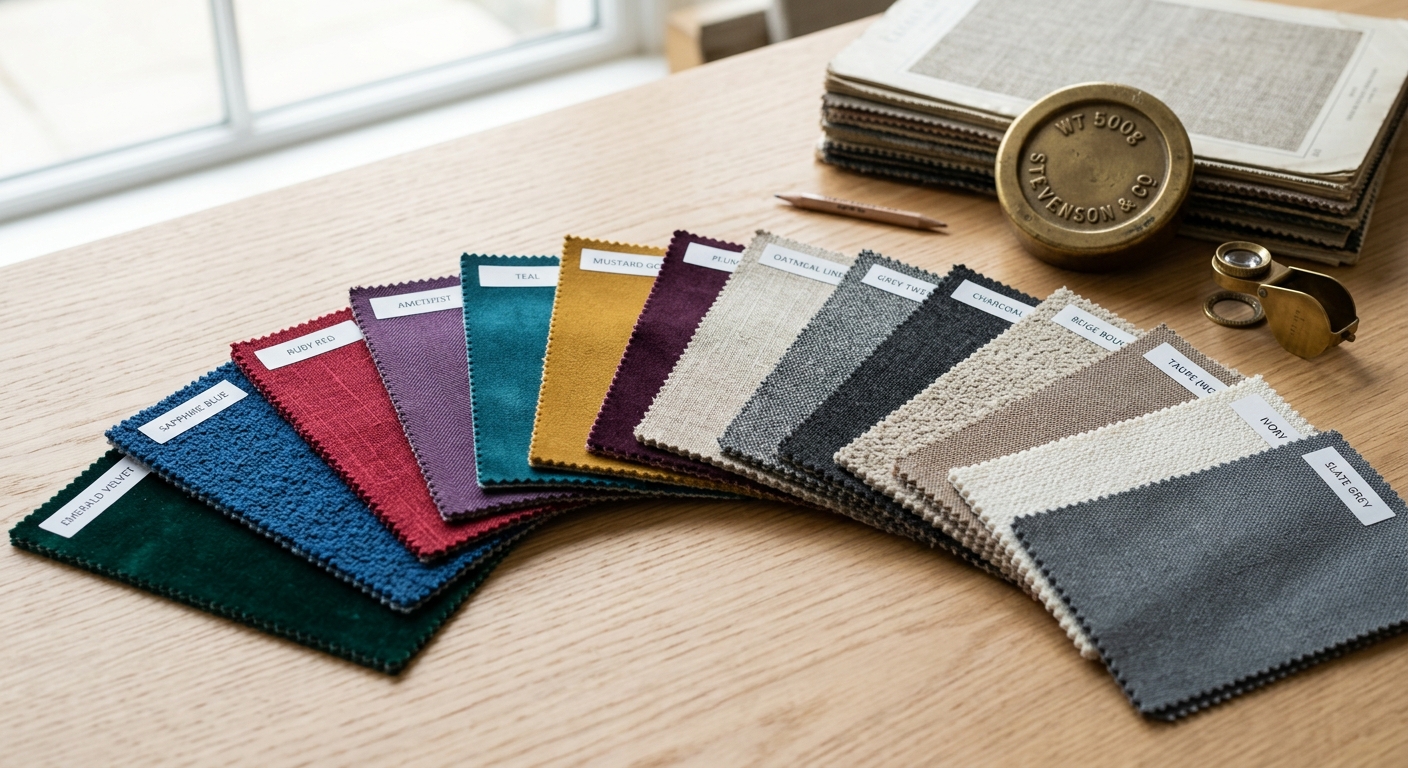
Ask for a cut-from-roll sample of at least 1 meter, labeled with the dye lot number and roll ID. This tells you two things: first, that the supplier actually has the fabric in stock or recently produced; second, that you're evaluating the real product, not a cherry-picked showroom sample. Hand-feel, drape, and color in person rarely match what you see on a tiny 4x4-inch swatch.
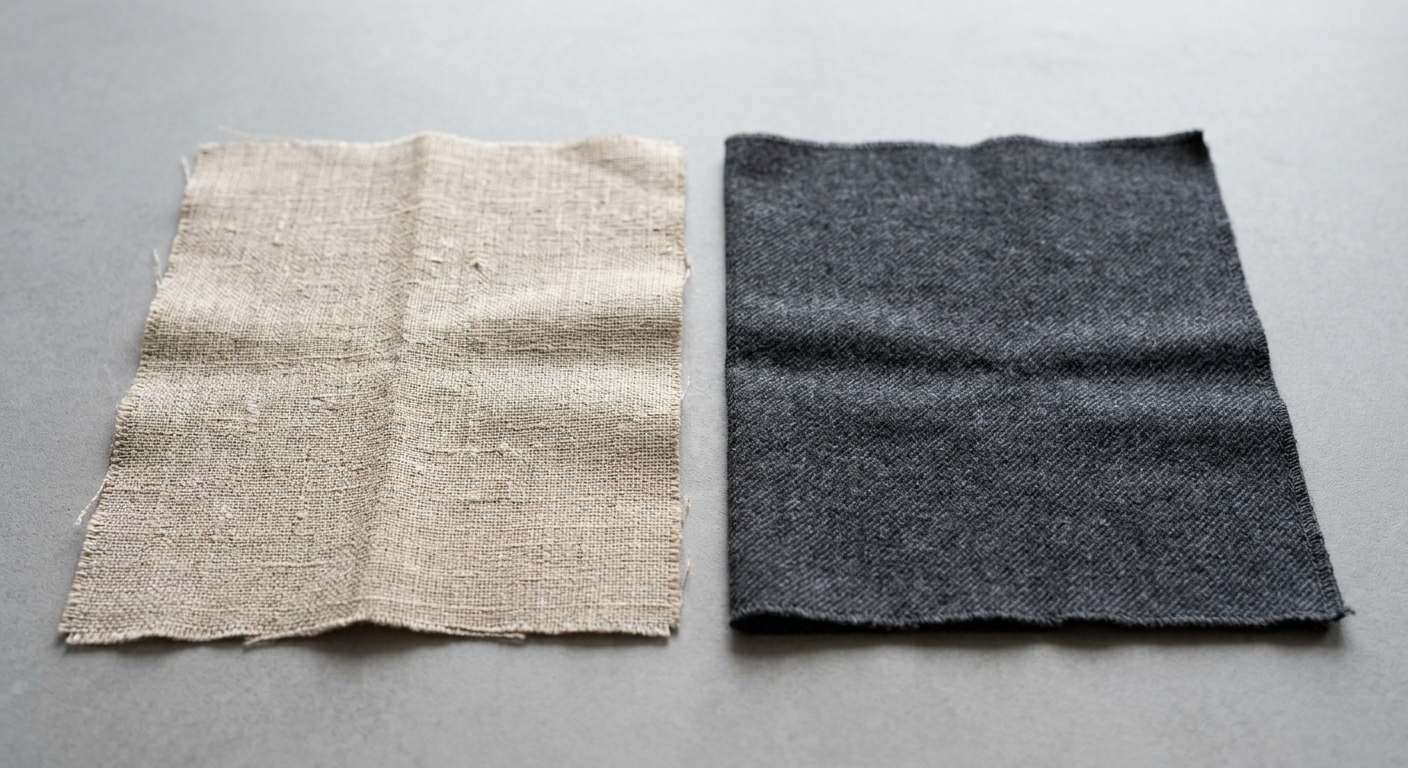
Pro tip: order samples from two different suppliers of the same construction and lay them side by side under daylight-balanced lighting. The differences in hand feel, drape, and finishing become obvious in 30 seconds.
Test Shrinkage, Colorfastness, and Pilling Yourself
Trust the spec sheet, then verify. Run your own home tests on every sample.
- Shrinkage: measure a 20x20 cm square, wash and dry per care label, re-measure. Compare against the spec sheet — and against our shrinkage rates cheat sheet.
- Colorfastness to rubbing: rub a damp white cloth across the surface 10 times. Significant color transfer = trouble.
- Pilling: Rub two pieces of the same fabric against each other 50 times. If it pills, your customers will see it after one wash. Our piece on why fabrics pill explains what to look for.
A supplier who balks when you mention you'll run independent tests is telling you everything you need to know.
Verify Certifications With Certificate Numbers
Anyone can paste an OEKO-TEX logo on a PDF. Certificates have numbers — use them.
For OEKO-TEX, every Standard 100 certificate has a unique number you can verify directly on oeko-tex.com. GOTS certificates can be checked through the Global Standard public database. ISO 9001, BSCI, GRS, and RWS all have public registries. If the supplier sends a certificate without a verifiable number, or the number doesn't match the entity name, the certification is fake or expired.
This matters more in 2026 than ever. Hospitality and contract buyers especially face strict compliance audits — see our hospitality fabric requirements piece for what major chains actually demand on paper.
Audit Production Capacity Against Your Volume
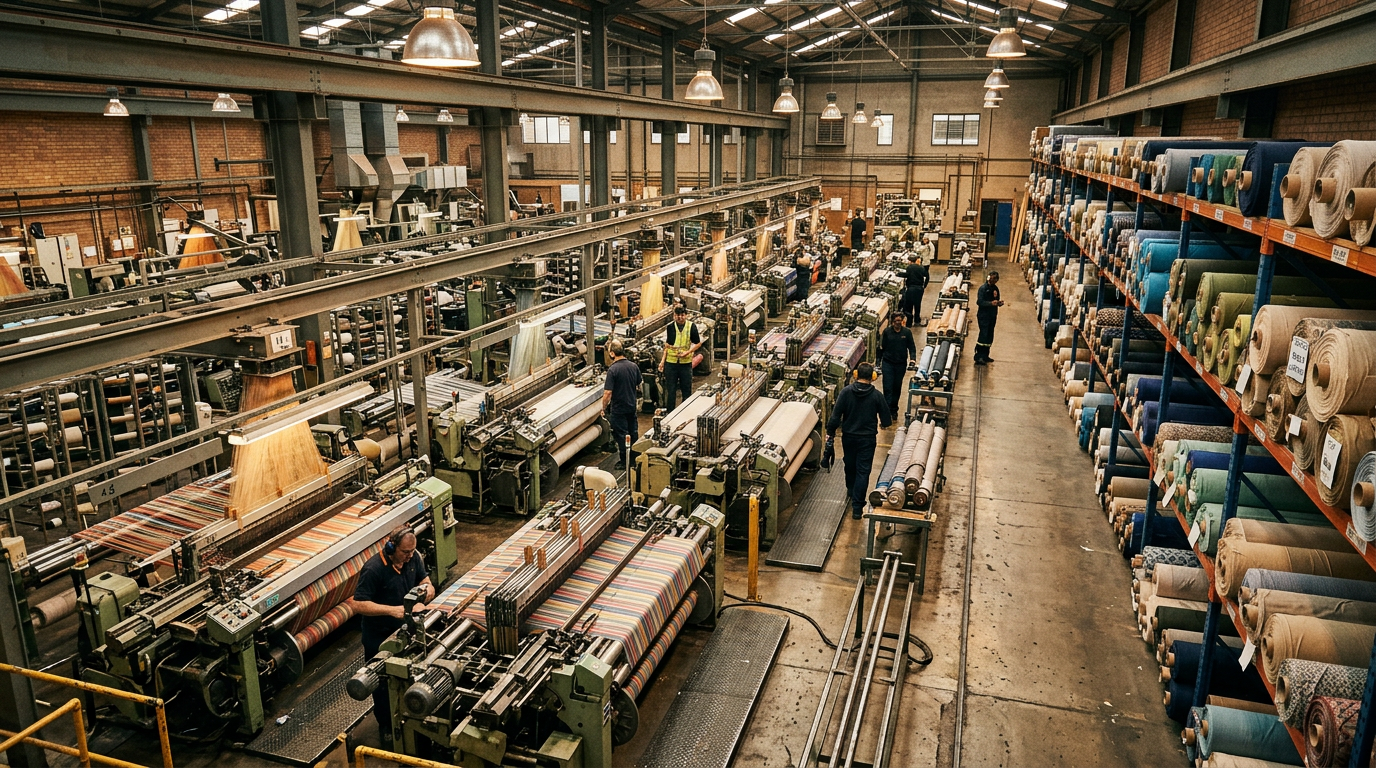
A mill running 50,000 meters a month can't suddenly deliver 200,000 meters in three weeks. Capacity mismatches kill timelines.
Ask for monthly production capacity by fabric type, current capacity utilization (how booked they are), and lead time for your specific construction. Then ask what their largest single order has been in the past 12 months. If your PO would be 3x their biggest recent order, expect delays and quality drops.
For example, a swimwear startup we advised placed a 60,000-meter moisture-wicking fabric order with a mill whose previous biggest order was 18,000 meters. The mill split production across two shifts, quality slipped in the second batch, and 30% of the goods came in 8 GSM under spec. A capacity audit would have flagged it.
Request Three Current Client References — and Actually Call Them
References are the single most underused vetting tool in fabric sourcing.
Ask for three current clients with similar order volumes in your industry. Then call them. Ask: How long have you worked with them? Any quality issues in the last 12 months? How do they handle disputes? Did they hit their last three ship dates? A supplier who refuses references — or who only provides clients from five years ago — has something to hide.
Examine Payment Terms and Escrow Options
100% upfront wire transfer is a structural risk, not a payment term.
Reasonable terms look like 30% deposit/70% against bill of lading copy, or LC at sight for larger orders. Trusted suppliers offer Alibaba Trade Assurance, PayPal for samples, or escrow for first orders. If a supplier only accepts wire transfer to a personal account or a third-country account, treat it as the loudest possible alarm.
Also: confirm the bank account name matches the legal entity name on the PI. Every. Single. Time.
Stress-Test Communication Before the PO
How a supplier communicates pre-sale is the best they will ever communicate. It only gets harder once your money is in their account.
Send a technical question — something specific, like “What's the warp and weft count on your 220 GSM combed cotton poplin, and what dye class do you use for the navy?” A good supplier answers within 24 hours with real specs. A poor one deflects, gives sales pitches, or takes a week. Time-zone differences are real, but evasion is universal.
Confirm Dye Lot and Color Management Protocols
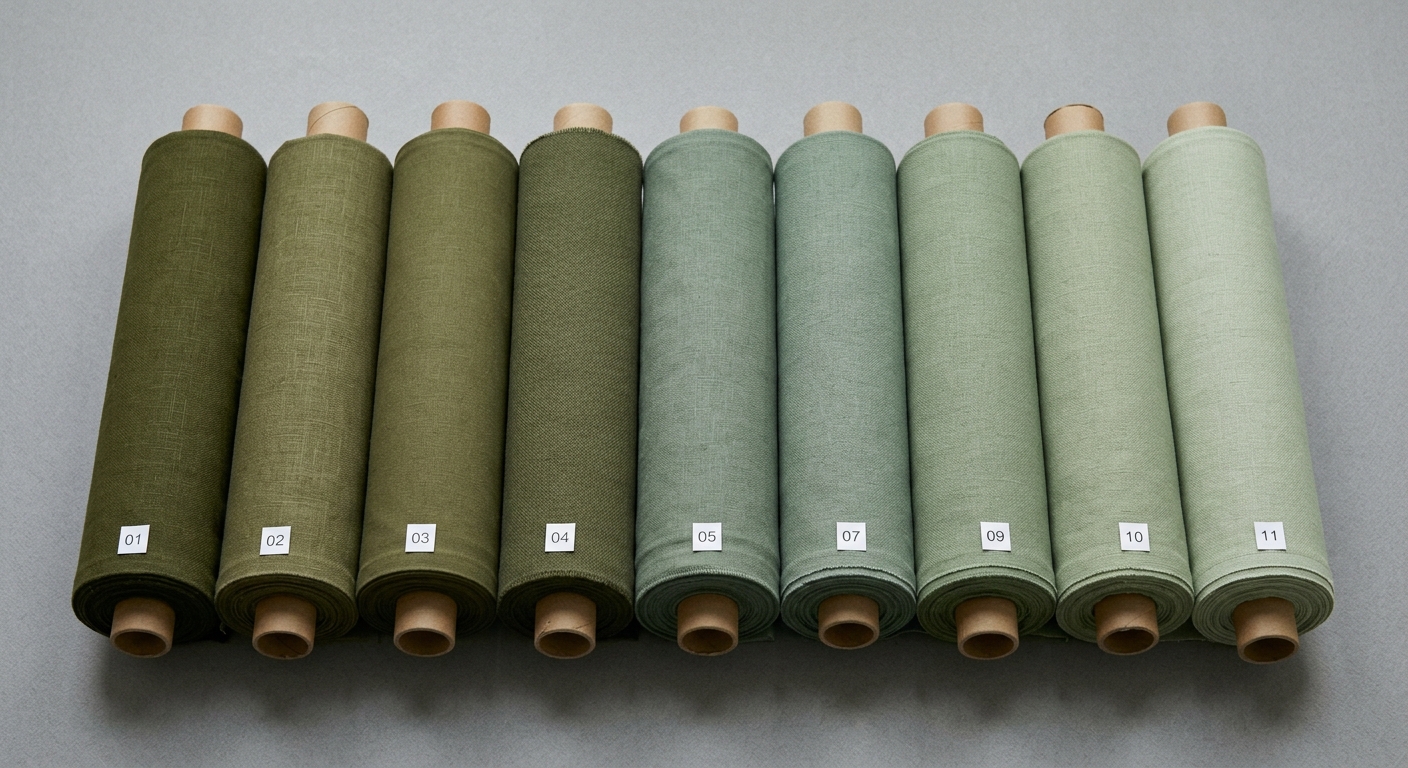
Dye lot variance is the silent margin killer. Ask exactly how the supplier handles it.
Specifically: Will they reserve a single dye lot for your entire PO? What's their Delta-E tolerance between lots? Do they provide a lab dip and bulk approval process? Will they ship hangers from each roll for your inspection? Suppliers who can't articulate this in technical terms simply don't have a system — they'll send you whatever lot is on the floor that week. Our deep dive on dye lot variance covers what to insist on in writing.
Inspect Their QC Process — Pre-Shipment and In-Line
“We have QC” means nothing. Get specific.
Ask whether they do in-line inspection (during production) or only final inspection. What's their AQL standard — 2.5? 4.0? Do they allow third-party inspection (SGS, Bureau Veritas, Intertek) before shipment, and who pays? Will they share inspection reports with photos before goods leave the mill? Any pushback on third-party inspection is a no-go. The $300-$500 inspection fee is the cheapest insurance you'll ever buy on a $50,000 order.
Run a Small Trial Order Before Committing to Volume
The final audit point is the one most buyers skip because they're impatient: place a trial order first.
500-1,000 meters of your actual spec, shipped under your real terms, inspected with your real protocol. You'll learn more from one trial PO than from 20 emails. You'll see how they handle the deposit, how they communicate during production, whether they hit the ship date, how the goods are packed, and — most importantly — whether the bulk matches the approved sample. If everything checks out, scale up with confidence. If not, you've lost a few thousand dollars instead of fifty.
This is doubly true for overseas sourcing, where logistics adds another layer of risk — our piece on sourcing fabric overseas walks through the landed-cost math you'll want to validate during a trial.
Putting the Checklist Into Practice
Twelve points sound like a lot until you realize each one takes 15-30 minutes. A full audit runs three to five business days — less time than a single missed ship date will cost you. Build a simple spreadsheet, score each supplier 0-2 per point, and only PO suppliers who score 20+ out of 24. The math is brutal but it works.
If you're looking for a supplier who already passes most of this checklist out of the gate — verifiable certifications, detailed spec sheets, cut-from-roll samples, and traceable dye lots across categories from woven fabrics to coated technical materials — that's exactly what we built Global Fabric Wholesale to be. Reach out with your spec, and we'll send you a sample packet and the documentation to vet us against your own checklist.






 Login with Google