


Linen vs Cotton for Summer 2026 Collections: A Head-to-Head Comparison for Bulk Buyers
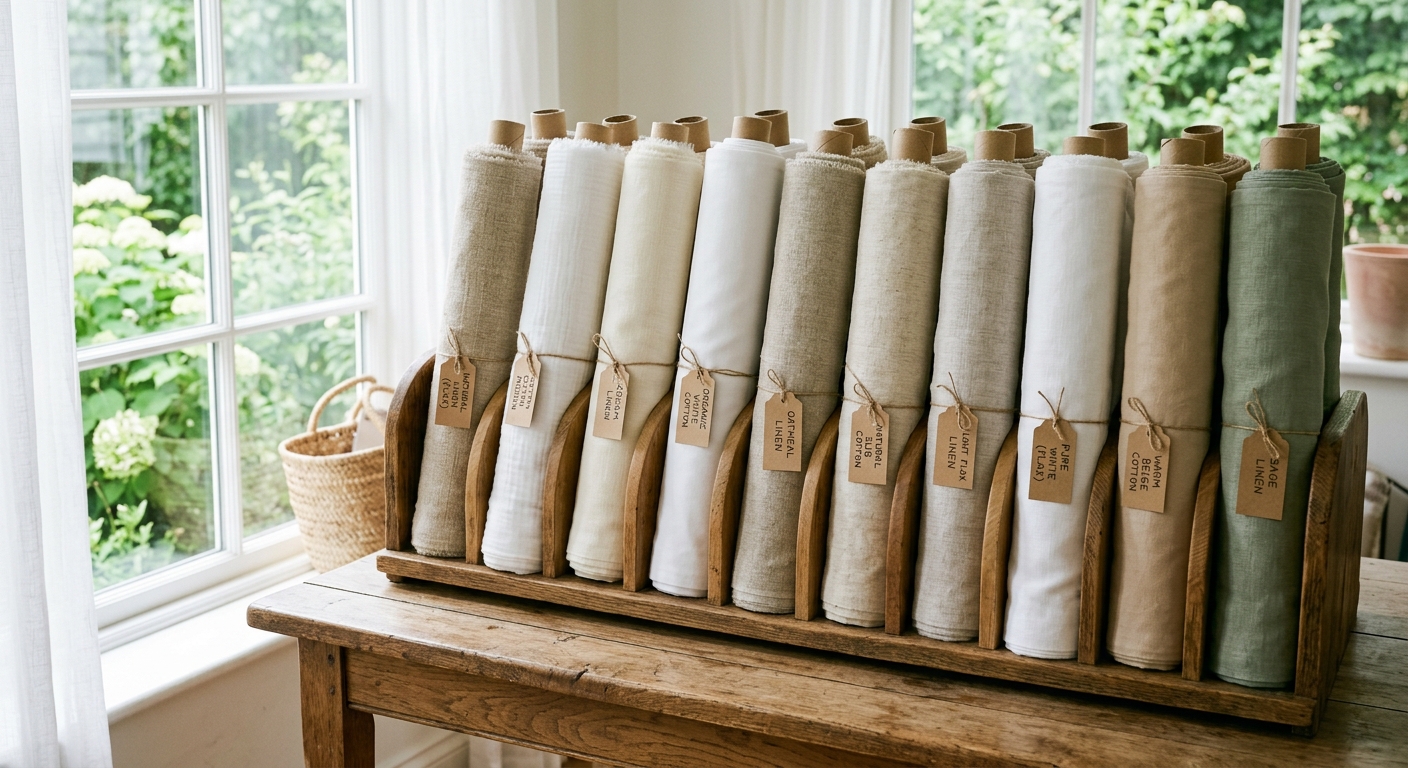
For Summer 2026 bulk orders, linen is the superior choice if your line targets premium resort wear, relaxed tailoring, or eco-conscious consumers willing to pay more — but cotton wins on cost efficiency, color versatility, and ease of production for basics, casualwear, and childrenswear. Neither fabric is universally “better”; the right pick depends on your price point, end use, and how much your customers care about that lived-in luxury look versus crisp, predictable performance. This comparison gives you the specific numbers, sourcing realities, and production trade-offs you need to commit confidently to your next bulk order.
The 30-Second Answer: When to Choose Which
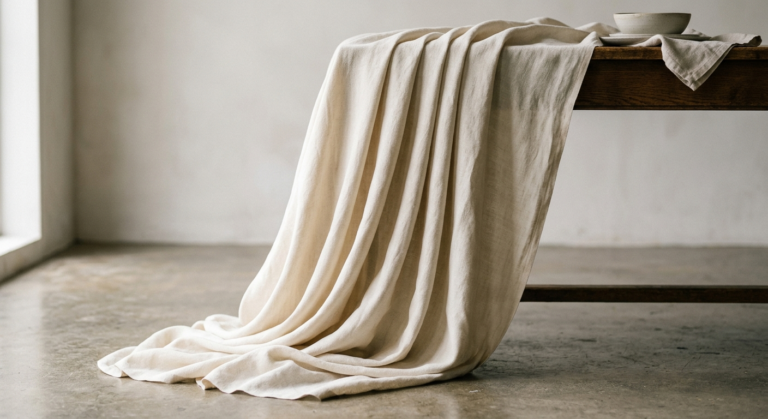
If your summer collection centers on $80+ retail garments — think linen trousers, structured blazers, or elevated vacation pieces — linen delivers a perceived value that cotton simply cannot match. The natural slub texture, superior moisture-wicking, and that unmistakable drape signal quality to end consumers before they even check the label.
If you are producing high-volume basics, graphic tees, everyday dresses, or anything targeting a sub-$40 retail price, cotton is almost always the smarter buy. It is easier to cut and sew at speed, takes dye more predictably, and your per-yard cost can be 40–60% lower depending on the weave.
Many brands blend the two — a 55/45 linen-cotton blend hedges your bets, offering linen’s texture with cotton’s forgiveness. But blends introduce their own sourcing complications, which we will cover below.
Breathability and Comfort: The Numbers Behind the Feel
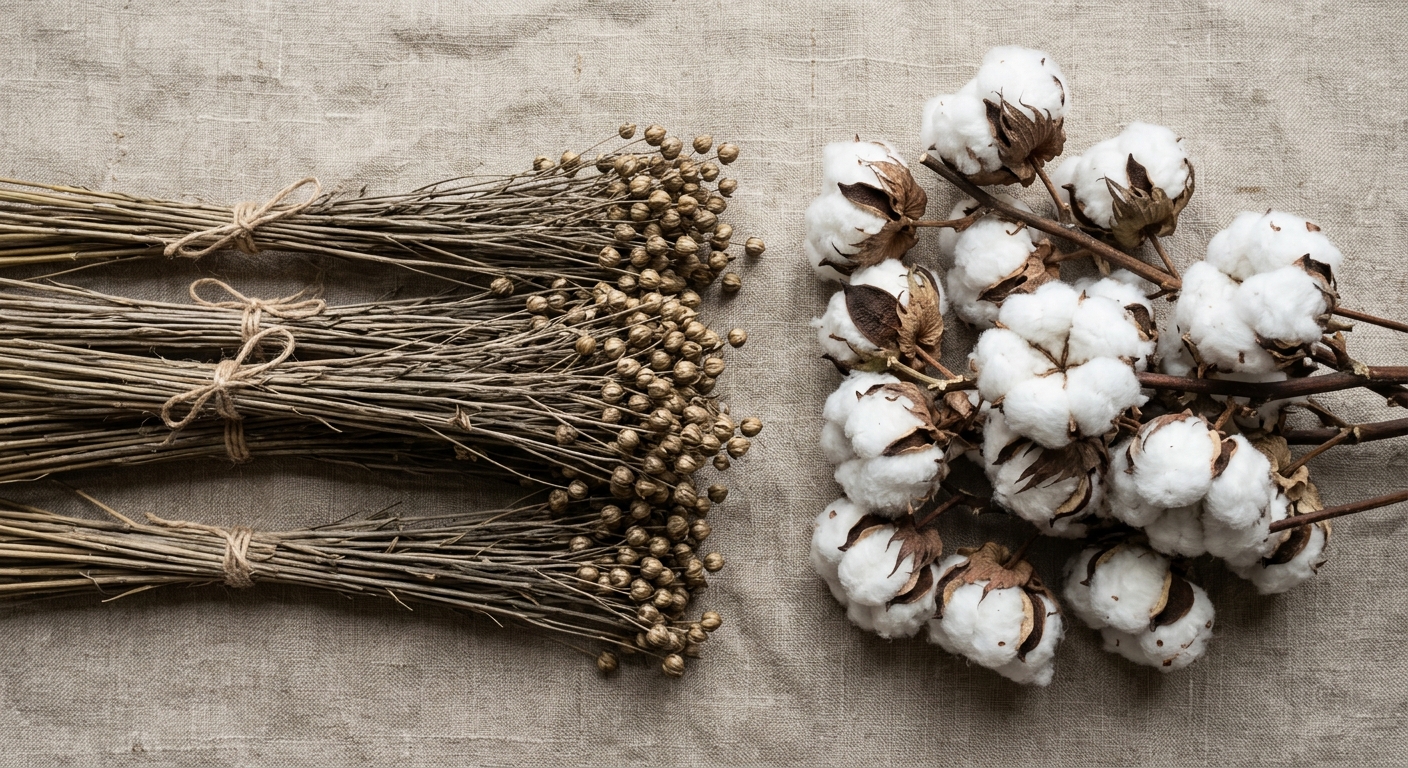
Here is a fact that surprises even experienced buyers: linen fibers are hollow. That internal lumen allows air to circulate through the yarn itself, not just between yarns. In controlled tests, linen fabric transfers heat away from the body 20–30% faster than cotton of comparable weight. For summer garments worn in humid climates — Southeast Asia, the Gulf Coast, the Mediterranean — that difference is not marketing fluff; it is a tangible selling point.
Cotton, however, is no slouch. A lightweight lawn or voile cotton at 90–120 GSM still feels airy and comfortable in temperatures up to about 35°C. The real performance gap appears when humidity exceeds 70%, where linen’s faster moisture release keeps the fabric from clinging.
What This Means for Your Product Line
If you are designing for tropical resort markets or outdoor events, linen justifies its premium. For everyday urban wear in temperate climates, cotton performs well enough that most consumers will not notice the difference — and the cost savings go straight to your margin. Understanding how GSM affects fabric performance is critical here, because a heavy 200 GSM linen can actually feel warmer than a sheer 100 GSM cotton voile.
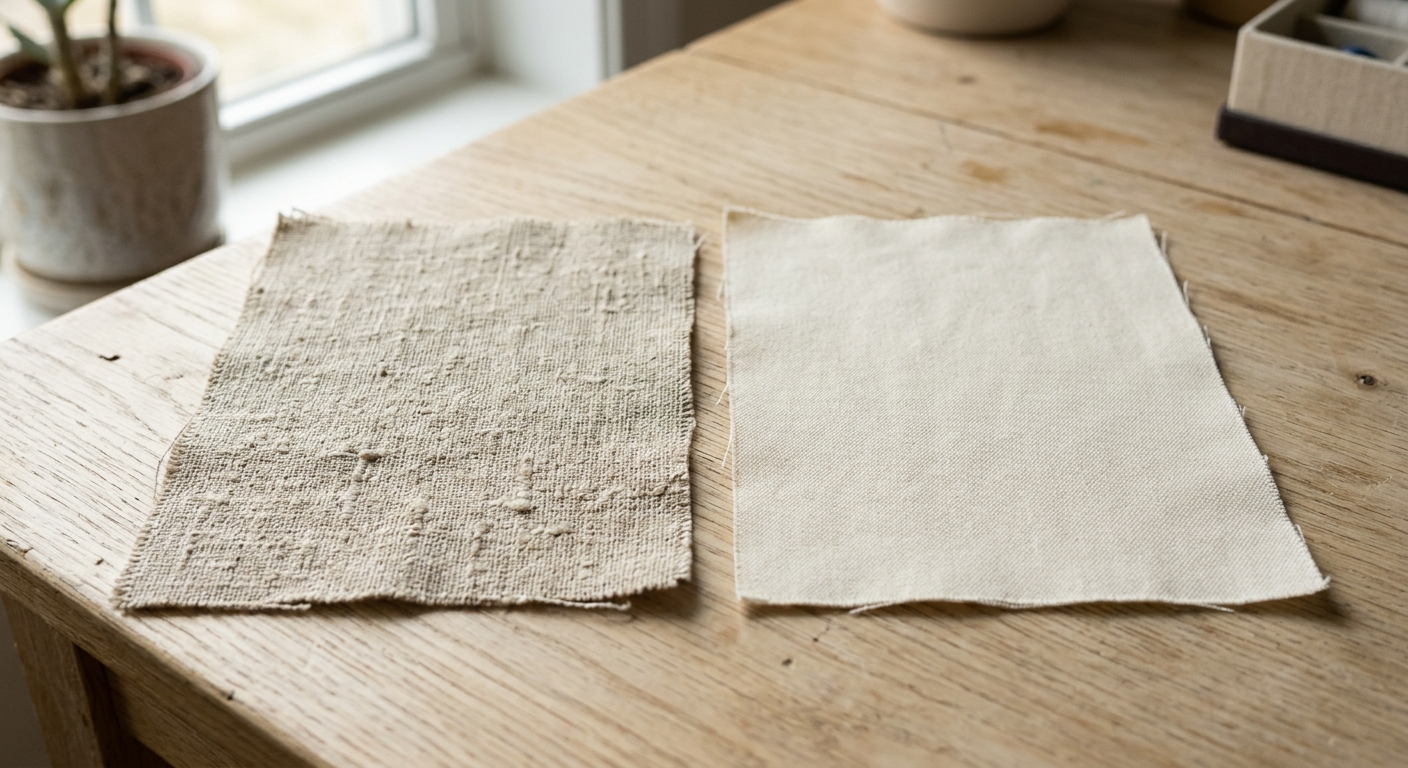
Head-to-Head Comparison Table
Before we dive deeper into sourcing and production, here is the at-a-glance breakdown every bulk buyer needs:
| Criteria | Linen | Cotton |
|---|---|---|
| Breathability | Excellent — 20–30% cooler feel | Very good |
| Typical Wholesale Cost (per yard) | $5–$12 | $2–$7 |
| Shrinkage (first wash) | 3–7% | 2–5% |
| Wrinkle Resistance | Poor — wrinkles easily | Moderate |
| Color Retention After Dyeing | Good — muted tones best | Excellent — vivid prints hold |
| Tensile Strength (dry) | Very high | Moderate |
| Typical GSM Range (summer) | 120–200 GSM | 100–180 GSM |
| Best Use Cases | Resort wear, tailored pieces | Casual wear, basics, childrenswear |
Notice the cost gap. At scale — say, 500+ yards — that $3–$5 per yard difference between mid-grade linen and mid-grade cotton compounds fast. On a 2,000-yard order, you could be looking at $6,000–$10,000 more for linen. Make sure your retail pricing supports it.
Shrinkage, Pre-Washing, and the Production Headaches Nobody Warns You About
Linen’s biggest production headache is not wrinkling — it is shrinkage unpredictability. While cotton typically shrinks a consistent 2–5% after the first wash (and you can pre-shrink it industrially with reliable results), linen can shrink anywhere from 3% to 7% depending on the weave tightness, fiber origin, and finishing treatment. Worse, linen sometimes continues to shift slightly through the second and third washes.
What Smart Buyers Do
Always request pre-washed or “stone-washed” linen from your supplier if you are producing ready-to-wear garments. Yes, it costs more — typically 8–15% above raw linen — but it eliminates the customer-return nightmare of a size-M shirt fitting like a size-S after one laundry cycle. For cotton, a standard sanforization treatment keeps shrinkage under 2%, and most reputable wholesalers offer it as a default finish.
For instance, a mid-size womenswear brand we have worked with ordered 800 yards of untreated European linen for a summer dress collection. After garment-washing the first production run, they lost nearly 6% in length, forcing them to re-cut 30% of the pieces. The fix — switching to pre-washed linen — added $1.10 per yard but saved thousands in wasted fabric and rework labor.
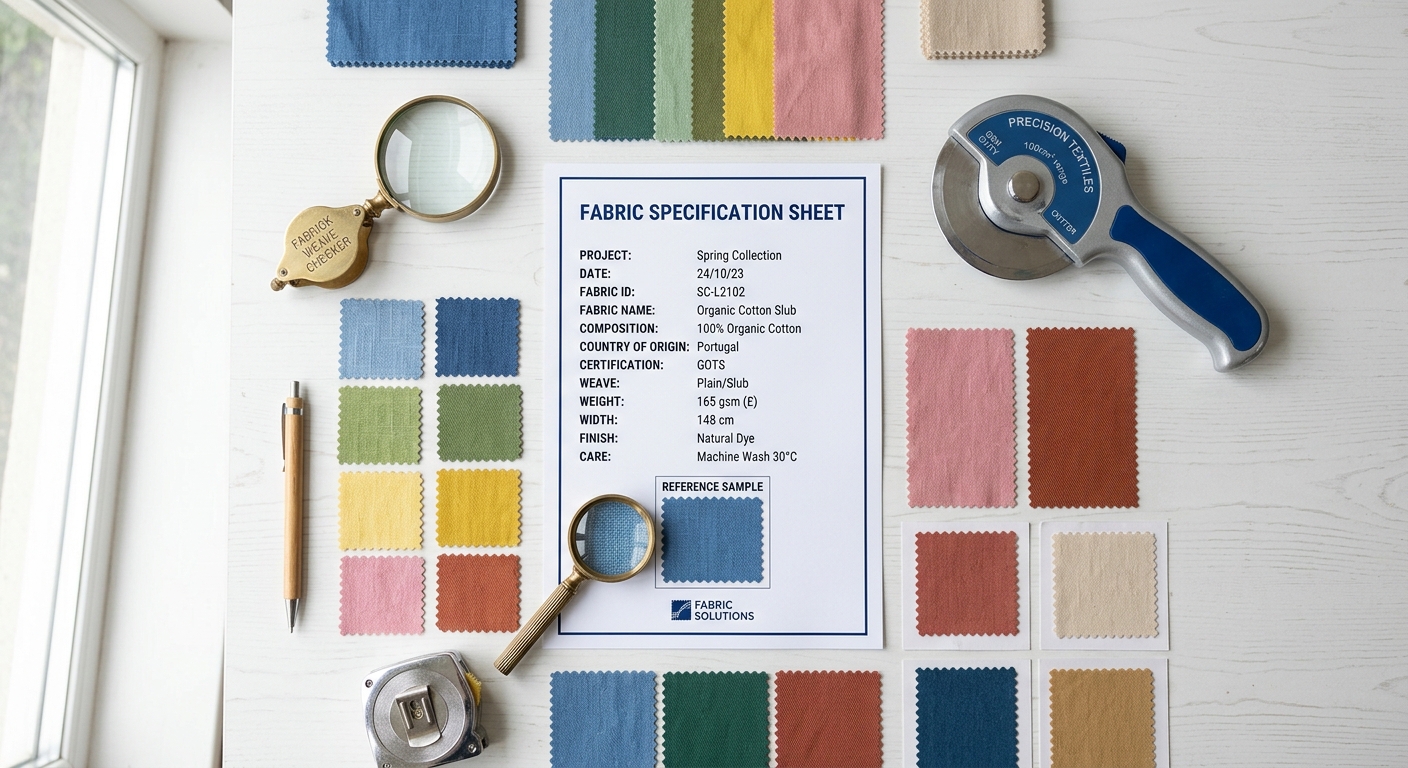
If you are unsure how to interpret shrinkage data on a supplier spec sheet, our guide on reading fabric spec sheets walks through exactly which numbers to verify before you commit.
Dyeing and Print Performance: Why Cotton Takes Color Better
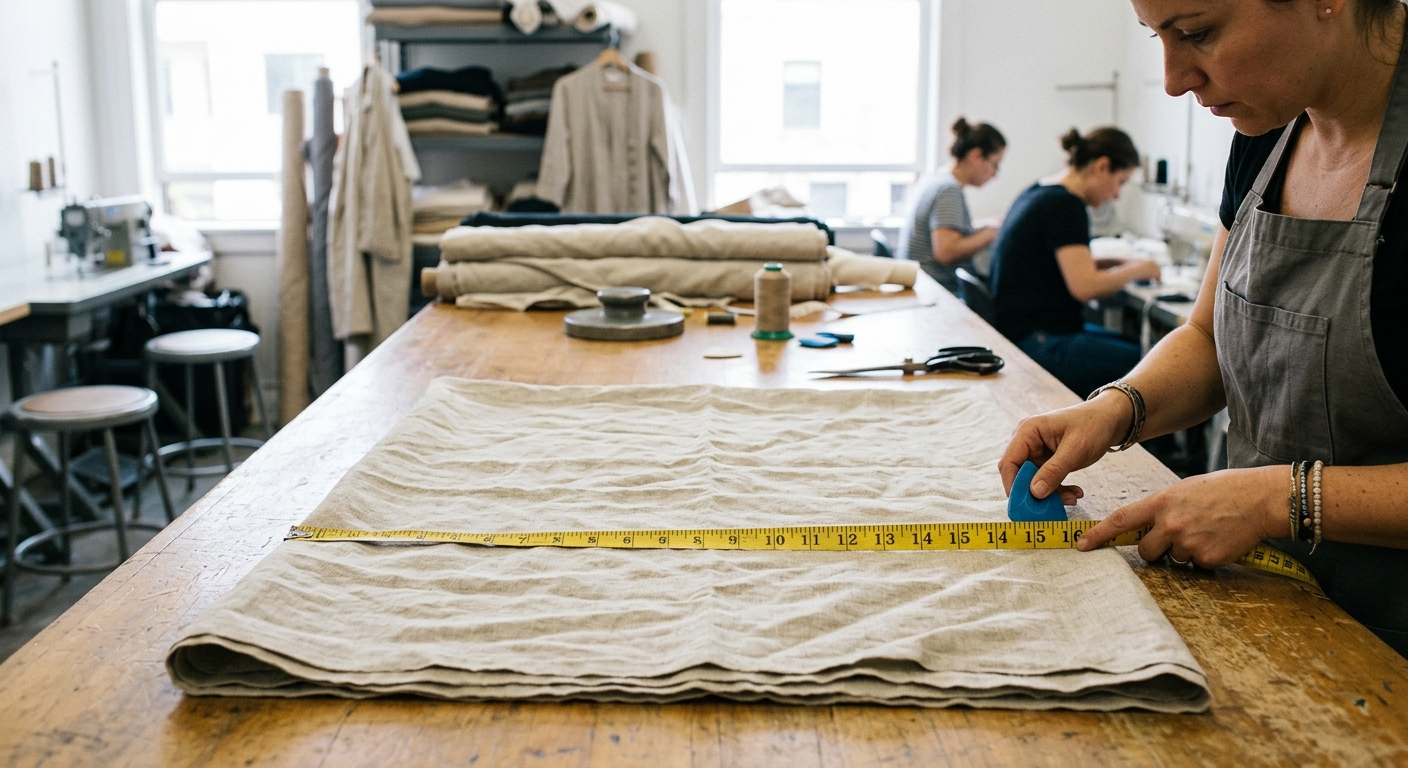
Cotton is a dye sponge. Its cellulose structure absorbs reactive dyes deeply and evenly, which is why cotton dominates in printed fabrics — from bold florals to intricate digital prints. If your Summer 2026 collection relies on vibrant color palettes or all-over prints, cotton is the safer and cheaper choice.
Linen absorbs dye too, but the results are more muted and organic. That is actually a selling point for earthy, tonal collections — think terracotta, sage, oatmeal, and washed indigo. But if you need a saturated cobalt blue or a punchy coral, linen will disappoint you unless you are willing to pay for extra dye passes or pigment printing, both of which increase cost and can stiffen the hand feel.
A Note on Colorfastness
Both fibers hold up well to washing when properly dyed, but linen is more susceptible to UV fading over extended outdoor exposure. For items like collections using natural dyes, this matters even more — natural dyes on linen can fade noticeably within 20–30 hours of direct sun. Synthetic reactive dyes on cotton hold color roughly twice as long under the same conditions.
Cost Breakdown: What Bulk Buyers Actually Pay in 2026
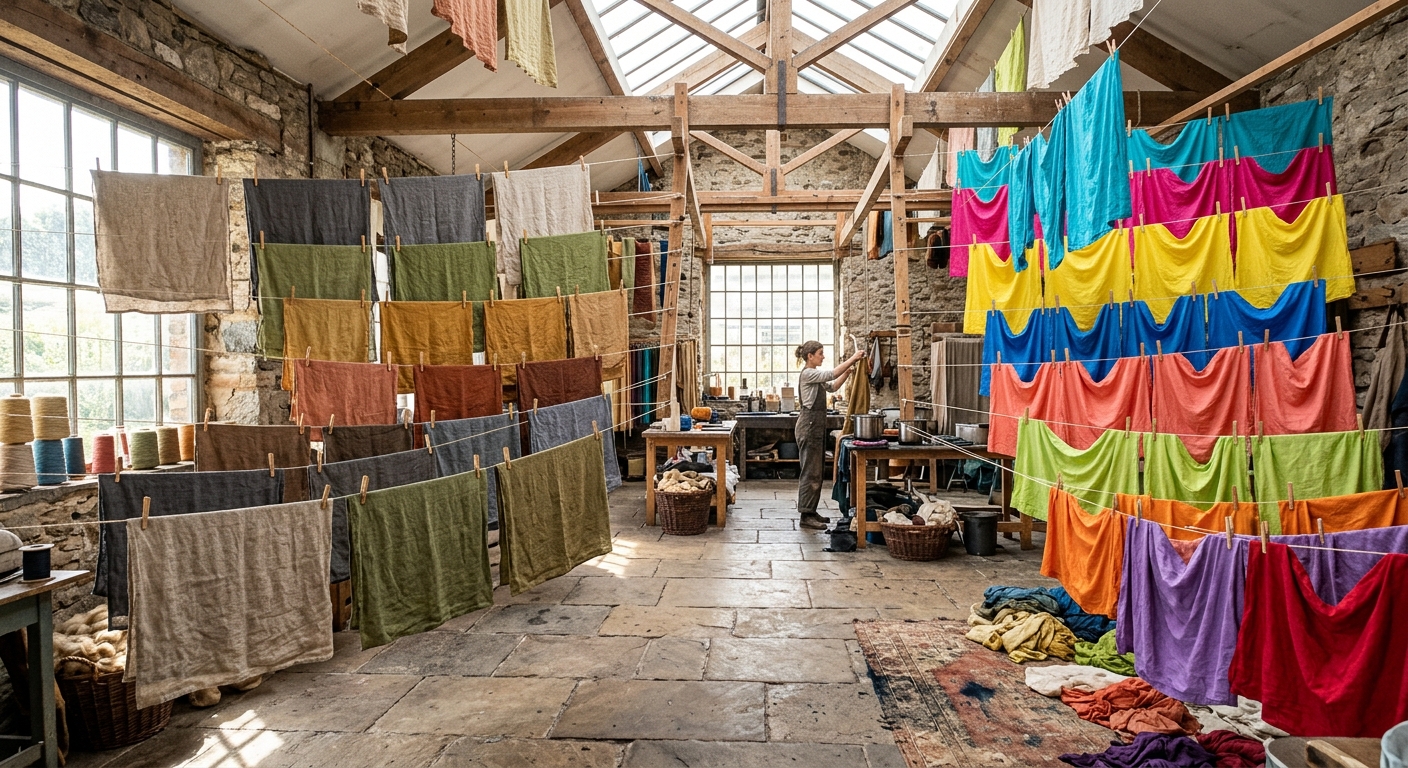
Let us talk real numbers. As of early 2026, here is what the wholesale market looks like for summer-weight fabrics:
- Cotton lawn/voile (100–130 GSM): $2.50–$4.50/yard at 300+ yard MOQ
- Cotton poplin (110–150 GSM): $3.00–$5.50/yard
- Linen (140–180 GSM, European flax): $7.00–$12.00/yard
- Linen (140–180 GSM, Chinese flax): $4.50–$7.50/yard
- Linen-cotton blend (55/45, 130–160 GSM): $4.00–$7.00/yard
Chinese-origin linen has improved dramatically in quality over the past three years. If your collection does not specifically market “European linen” as a brand differentiator, Chinese flax can save you 30–40% without a noticeable quality drop for most garment applications.
Hidden Costs to Factor In
Linen’s sticker price is only part of the story. You also need to budget for higher cutting waste (linen frays more aggressively, requiring wider seam allowances), potential pre-washing, and slower sewing speeds due to the fabric’s tendency to shift under the presser foot. Our breakdown of hidden costs in wholesale fabric covers these production-side expenses in detail. A realistic all-in cost comparison often shows linen costing 50–80% more than cotton by the time a finished garment ships.
Sustainability Credentials: The 2026 Consumer Expectation
Sustainability is no longer a nice-to-have for summer collections — it is table stakes. Both linen and cotton have strong eco stories, but they are different stories, and knowing the nuances helps you market honestly.
Linen wins on water usage. Flax requires roughly 6,000 liters of water per kilogram of fiber, compared to cotton’s 10,000–20,000 liters (depending on whether it is irrigated or rain-fed). Flax also needs fewer pesticides and can grow in poor soil that would not support cotton. If your brand leads with water-footprint messaging, linen is the stronger claim.
Cotton wins on organic certification infrastructure. GOTS-certified organic cotton is widely available, well-understood by consumers, and has a mature supply chain. Organic linen exists but is harder to source in bulk and carries a steeper premium — often 20–30% above conventional linen.
The Blend Compromise
A linen-cotton blend lets you tell a partial sustainability story for both fibers, but be careful: blended fabrics are harder to recycle at end-of-life because separation technology is still immature. If circularity is part of your brand promise, mono-fiber fabrics (100% linen or 100% cotton) are the more honest choice.
Sewing and Production Considerations at Scale
Your pattern maker and sewing team will have strong opinions here — listen to them. Linen behaves differently on the cutting table and under the needle, and those differences multiply across a 5,000-unit production run.
Cutting
Linen frays significantly more than cotton. Most production teams add an extra 1–1.5 cm to seam allowances for linen garments, which increases fabric consumption by roughly 3–5%. On a large order, that is real money. Cotton, especially tightly woven poplin, holds its cut edge well and can be cut with standard allowances.
Sewing Speed
Cotton feeds through industrial machines smoothly and predictably. Linen’s natural stiffness and slub texture can cause uneven feeding, requiring operators to slow down or use a walking foot. Expect sewing productivity to drop 10–15% when switching from cotton to linen on the same garment style.
Finishing
Linen garments almost always need a final press or steam, and even then, they will wrinkle again the moment a customer tries them on. Many brands now lean into this, marketing the wrinkle as part of the “relaxed luxury” aesthetic. If your brand identity demands a crisp, polished look, cotton is the more cooperative fiber. For structured summer pieces like tailored skirts, consider whether your customer expects a pressed finish or an effortless drape — that answer should drive your fabric choice.
Real-World Scenario: How One Brand Split Its Summer Order
A direct-to-consumer womenswear brand planning their Summer 2026 drop came to us with a 60-SKU collection spanning dresses, wide-leg trousers, camp-collar shirts, and basic tanks. Their instinct was to go all-linen for the “premium feel.” Here is what actually happened.
After sampling, they realized that linen worked beautifully for their $95 retail trousers and $110 shirt-dresses — the texture elevated the product and justified the price. But for their $38 tank tops and $45 basic tees, linen added cost without adding perceived value. Customers in focus groups could not tell the difference between a linen tank and a cotton-linen blend tank at that price point.
The final order split: 40% European linen (for hero pieces), 35% cotton voile and lawn (for basics and printed items), and 25% linen-cotton blend (for mid-range transitional pieces). Total fabric spend came in 22% under their original all-linen budget, with no sacrifice in collection cohesion.
The lesson? Match the fiber to the garment’s role in your collection, not to a blanket fabric strategy. If you need help calculating exact yardage for a split order like this, we have a step-by-step guide that prevents over-ordering.
Making Your Bulk Order Decision: A Practical Framework
Stop agonizing. Use this three-question framework to decide your linen-to-cotton ratio for Summer 2026:
- What is your average retail price per garment? Above $70, linen adds value. Below $40, cotton protects your margin. In between, blends make sense.
- What is your hero print or color story? Vibrant all-over prints favor cotton. Tonal, earthy, texture-driven aesthetics favor linen.
- What does your production team prefer? If you are working with a new CMT factory or have tight delivery timelines, cotton’s predictability reduces risk. Experienced linen sewers are worth their weight in flax.
Both fabrics belong in a well-rounded summer collection. The brands that win are the ones that deploy each fiber where it performs best — not the ones that pick a side and force it across every SKU.
Ready to source? Global Fabric Wholesale carries summer-weight cotton and linen options in bulk-friendly quantities with transparent spec sheets. Request swatches, compare the hand feel yourself, and let the fabric tell you where it belongs in your line.




 Login with Google