


Choose the Best French Terry Fabric for Each Season

French Terry fabric is breathable and comfortable, making it a versatile choice for everyday wear throughout the seasons. With that being said, customers will often ask how much of the French terry fabric they should purchase and in what thickness. This document will answer that question based on different wearing experiences rather than going over the numerous constructions of French Terry fabric. This will enable them to use French Terry for the heat of the summer, the change of seasons, and the cold of winter.
Why Different Fabric Weights Matter Seasonally
The various weights of French Terry fabric directly inform how a customer will experience the product. Is it warm enough, breathable enough, and will the customer be cosy? This is not a question of micro-fibre structure or internal looping. This is the matter of how a customer will experience the fabric over the course of a day. With the lighter weights, an airy and cool feeling will be achieved, while the heavier versions of fabric will be warm and cosy without feeling bulky. With that in mind, the ultimate objective is to be of help in selecting a type of French Terry that best meets one's comfort requirements to help in adapting them to shifting climate variables.
Lightweight French Terry Fabric for Summer
Because of the heat, summer comfort hinges on the fabric and how well it breathes. The soft, breathable French Terry fabric becomes your best ally, as it keeps you cool for your skin and feels great, while also preventing overheating. This version sits on the thinner side of the GSM scale and has a soft breathability that makes the fabric comfortable. It keeps fabric, and the moisture and buffs help keep the wearer dry. It’s a flowing fit that means the fabric moves with you. It’s perfect for summer outdoor walks, trips to the beach, and even lounging indoors.
Ultimately, what you wear in the summer and the fabric is about comfort and never heat. It has a soft knit feel that many people enjoy, without the heat-trapping that's found in many other fabrics. It’s perfect for summer t-shirts, relaxed shorts, and light joggers. This version is even more by people looking for gentle and airy, especially in the warmest months.
Spring and autumn have variable weather patterns, and during these times, mid-weight French terry fabric performs supremely. This fabric has a greater body than the summer fabric, but is still breathable and sweat-wicking enough to minimise discomfort when the day is warmer. This medium thickness is the most popular to avoid temperature discomfort. It is warmer when cooler mornings and evenings are present, but it still does not trap heat when the sun is present during the day. Flexibility is the most important factor when designing clothing for these times. Mid-weight French terry fabric is insulating enough not to feel the weight of the fabric, but not so light that it gets lost. The fabric keeps its shape well, allows plenty of side-to-side movement without feeling tight, and drapes along the body to create a fitted, tailored look. This weight works best for light hoodies, joggers, long-sleeved tops, and versatile layers that you can wear comfortably across a wide range of temperatures.
Customers love this version since it provides two options as one's favourite. It's soft, but it doesn't trap heat. It gives gentle support, but doesn't feel stiff or binding. Wearers are able to wear it all day long without having to add or remove layers, as the breathable textile flexes to fit the ambient temperature. Mid-weight French Terry fabric becomes a dependable fabric during all seasons for those living in climates with mild winters or warm, humid springs.
Cozy, Warm French Terry Fabric for the Winter
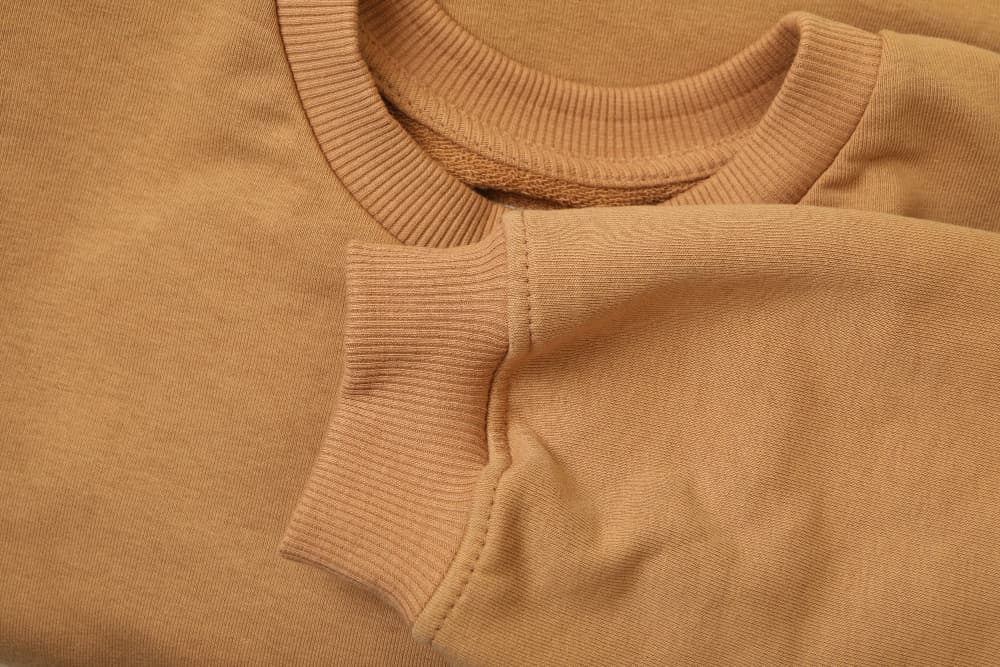
When the winter season comes around, the number one consideration when deciding is French Terry Fabric is warmth. When it comes to the heavier options of this fabric, there's a delightful level of insulation without all the heavyweight one usually gets with fleece or thick knits. A heavier version of this winter-friendly fabric provides a pleasantly warm drape, so it works perfectly on cold days when extra warmth matters most.
A subtle, gentle warmth characterizes the experience of wearing these fabrics in the winter. The fabric traps a moderate amount of heat to fend off the biting cold air, while also permitting a small amount of cold air to circulate so that there is no build-up of moisture to initiate sweating. Different from thicker, winter fabrics, it is not constrictive and has a low profile. This lets thicker French Terry pieces work on their own indoors and also serves as a warm base layer under a coat or jacket when you head outside.
This is why people select these various fabric versions when making winter heavyweight hoodies, warm joggers, lounge sets, and the tops that people wear casually when it’s cold outside. French Terry winter fabrics remain soft and flexible regardless of the low temperatures and throughout the movements of the body. Because of the equilibrium of warmth and breathability, French Terry is the most utilised and preferred winter wear.
How Fabric Weight Influences Daily Comfort Across Seasons
The experience of wearing French Terry fabric is affected by its thickness, and your understanding of this will guide your purchases. Lightweight versions give a soft, breathable, and airy feel, making them perfect breathable softnes for extremely hot days. Mid-weight versions are comfortable for unsteady weather and provide enough warmth without overheating, making them perfect for spring and fall. Heavier versions are essential for winter, giving gentle, unrestricted warmth. If you want to find the right French Terry for the season and start sewing right away, online fabric stores make it easy. They list the weight and suggested garment type for each fabric. You can choose what you need and enjoy quality materials without leaving home.
This gradation can help shoppers understand how their body is impacted by different fabric weights. People who are sensitive and feel suffocated by thicker, winter materials will find relief in heavily weighted French Terry fabric, which warms the body without overwhelming it. The same feeling applies to summer wearers who prefer gentle airflow and are sensitive to overheating, over-wicking and moisture-wicking materials. Users can see how each fabric weight feels during different activities. This helps them choose the right weight for each season with confidence. This is a detailed reference table for the weight of French terry fabric. We hope it proves helpful to you.
French Terry Fabric Weights by Season
| Fabric Weight (GSM) | How It Feels Be | Best Seasons | Applications |
|---|---|---|---|
| 180–220 GSM | Light and breathable | Spring & Summer | Playwear, lightweight tops, thin hoodies, indoor outfits |
| 220–260/280 GSM | Light-medium, soft with a bit more structure | Mild Spring / Early Fall / Warm Winter Days | Everyday tops, joggers, school outfits, comfy loungewear |
| 280–320/340 GSM | Every day tops, joggers, school outfits, comfy loungewear | Fall & Winter | Hoodies, sweatshirts, warmer joggers, layering pieces |
| 340–400/450 GSM | Thick and warm | Cold Winter | Heavy hoodies, warm sweatpants, outerwear-style tops, cozy home wear |
Coordinating French Terry Fabric with Seasonal Activities
When selecting French Terry fabric, it's also important to consider how the garment will be used. Summer activities typically require lighter-weight fabric that allows the wearer to move freely and stay cool. In-between weather calls for mid-weight styles that can easily be adjusted to different temperatures. Activities done in the winter require clothing that keeps the wearer warm and protected from the outdoors. People are more comfortable exercising, lounging, and running daily errands if the fabric thickness matches their activity level.
For example, lightweight French terry fabric is good for morning walks, lounging inside, and running errands in warm weather because it doesn't trap heat. Mid-weight fabrics work well for fall and spring, whether for school commutes, casual outings, or afternoon activities. Heavier fabrics handle winter conditions better, especially when paired with outerwear. These seasonal distinctions allow consumers to select French terry fabric that works well to keep them comfortable with different activities.
Factors of Seasonal Variation Making French Terry Fabric a Year-Round Favourite
One of the biggest advantages of French Terry is the seasonal flexibility of the fabric. This fabric has become a go-to choice because it stays comfortable in every season. Each weight creates a different wearing experience, yet all of them adapt well to changing weather without sacrificing comfort. People don’t switch to new fabric types. They just pick a different weight of French Terry for each season.
This also increases the ability to create a wardrobe that works effortlessly across the seasons. Summer outfits feel lightweight and cool, pieces for transitions stay comfortably in the middle, and winter attire is warm but not heavy. There is a consistency of softness and breathability across all the weights, which users of the material appreciate. Because of this, it is clear that French Terry fabric is for people who appreciate comfort and functionality, for every season.
Assisting Customers in Making Seasonal Choices with Confidence
Differentiating between the various types of French Terry fabric per season enables buyers to make informed purchasing choices. Customers do not have to make educated guesses based on the fabric’s appearance or detailed information about the fibre’s make-up. Experience, in this case, provides guidance. Lightweight French Terry fabric is ideal for hot days, and the thicker fabrics are perfect for reliable winter warmth. Multi-weight options allow flexibility for transitional seasons. With experience, buyers make optimal choices easily, with less guesswork and confusion.
French Terry fabric remains dependable for all seasons, which is why it is soft. Breathable and stretchy. Each fabric’s weight, however, changes the seasonality of the French Terry fabric. Softness, breathability, and stretch remain unaffected. Once needed fibre and weight distinctions are learned, choosing a French Terry fabric becomes an easy, confident decision.
Conclusions
Once consumers emphasise the experience of wearing the garments over the details of the construction, the task of selecting French Terry fabric appropriate to the season becomes easier. Each weight of the fabric has a different comfort level, making it a reliable option from summer to winter. During warm weather, the lighter weights of the fabric allow for breathable and airy wear, while mid-weight fabrics provide balance to fluctuating temperatures of the fall and spring. As winter approaches, the heavier weights of the fabric provide cosy comfort. Understanding how the body sensations differ between thicknesses over the course of a day increases buyer confidence in selecting the most appropriate French Terry fabric for their weather and activities. This experience-based approach ensures consumers' comfort and versatility in garments.




 Login with Google