


Interfacing 101: Fusible vs. Sew-In and How to Match Weight to Fabric So Your Garments Hold Their Shape

Fusible interfacing bonds to your fabric with heat and adhesive resin, making it faster and more stable for structured pieces like collars and waistbands — but it's the wrong choice for delicate, textured, or heat-sensitive fabrics where sew-in interfacing gives you control without risking bubbling or scorch marks. The real skill isn't picking a side in the fusible-vs-sew-in debate; it's matching interfacing weight to your fabric's own weight and hand, because a mismatch is what actually causes collars to go limp or bodices to pucker.
Why Most Garments Lose Their Shape (It's Rarely the Fabric's Fault)
Here's a mistake we see constantly: someone blames the fabric when a collar goes floppy after two washes, when the real culprit was interfacing that was too lightweight for the job. Interfacing is the unsung structural layer inside collars, cuffs, waistbands, and facings — it's what keeps a shirt collar crisp and a blazer lapel from folding like wet paper.
Get the weight wrong and you'll see one of two failures: too light, and the garment collapses under its own drape; too heavy, and you get a stiff, board-like panel that fights the rest of the fabric's movement. This is the same logic behind matching GSM to your project — interfacing needs its own weight conversation, separate from the shell fabric.
Fusible Interfacing: When Speed and Stability Win
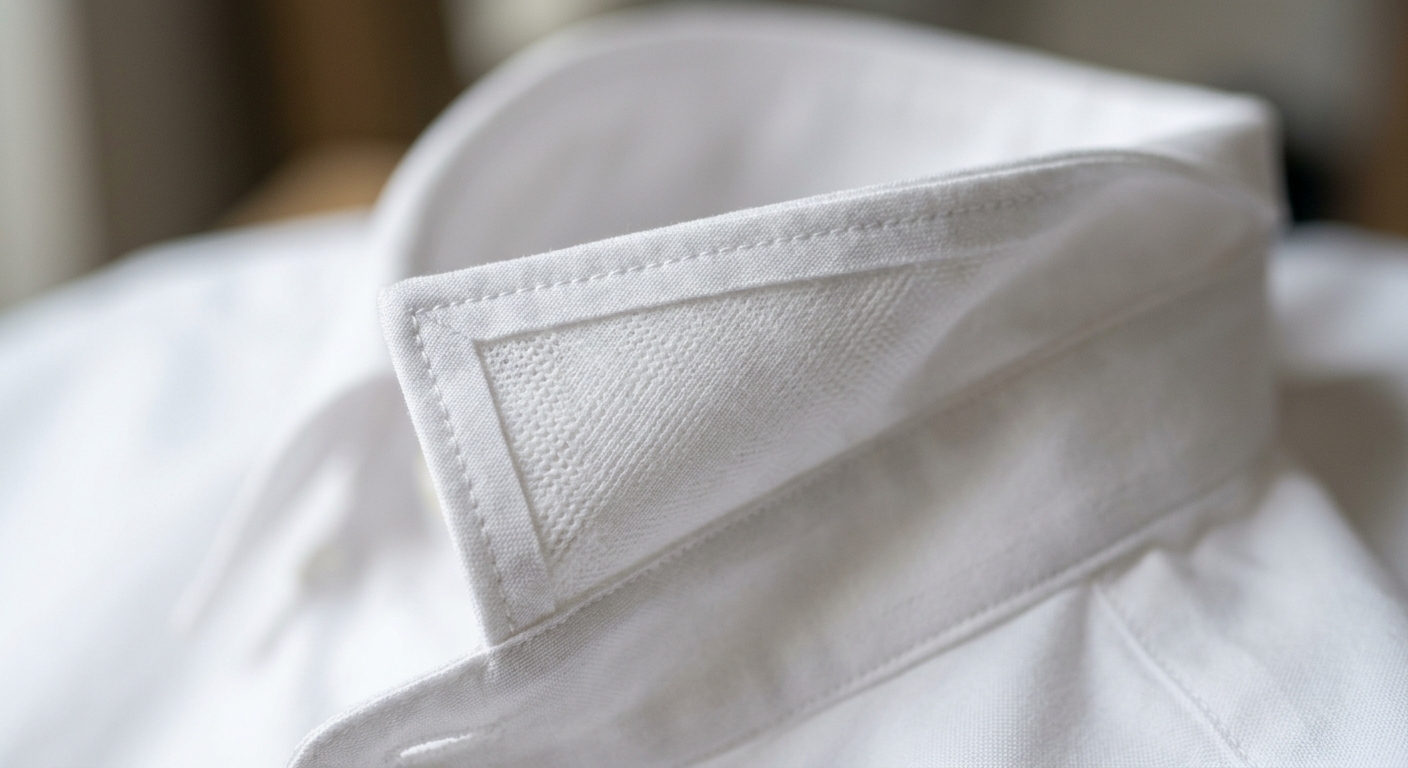
Fusible interfacing is a resin-coated fabric that bonds permanently when pressed with heat — and for most stable wovens, it's the faster, more reliable choice. The adhesive melts into the fabric fibers under 10-15 seconds of iron contact, creating a laminate-like bond that won't shift during construction.
Where Fusible Shines
- Shirt collars and cuffs — needs crisp, consistent structure
- Waistbands on trousers and skirts
- Bag and accessory panels where rigidity is the goal
- Facings on medium-weight cottons and blends
The catch? Fusible doesn't play nice with everything. Silk, lace, sequined fabrics, and anything with texture or nap can scorch, flatten, or show adhesive bleed-through. If you're working with something in our chiffon or shimmer fabric range, skip fusible entirely — the heat and pressure will damage the surface before the bond even sets.
Sew-In Interfacing: The Underrated Choice for Delicate and Structured Fabrics
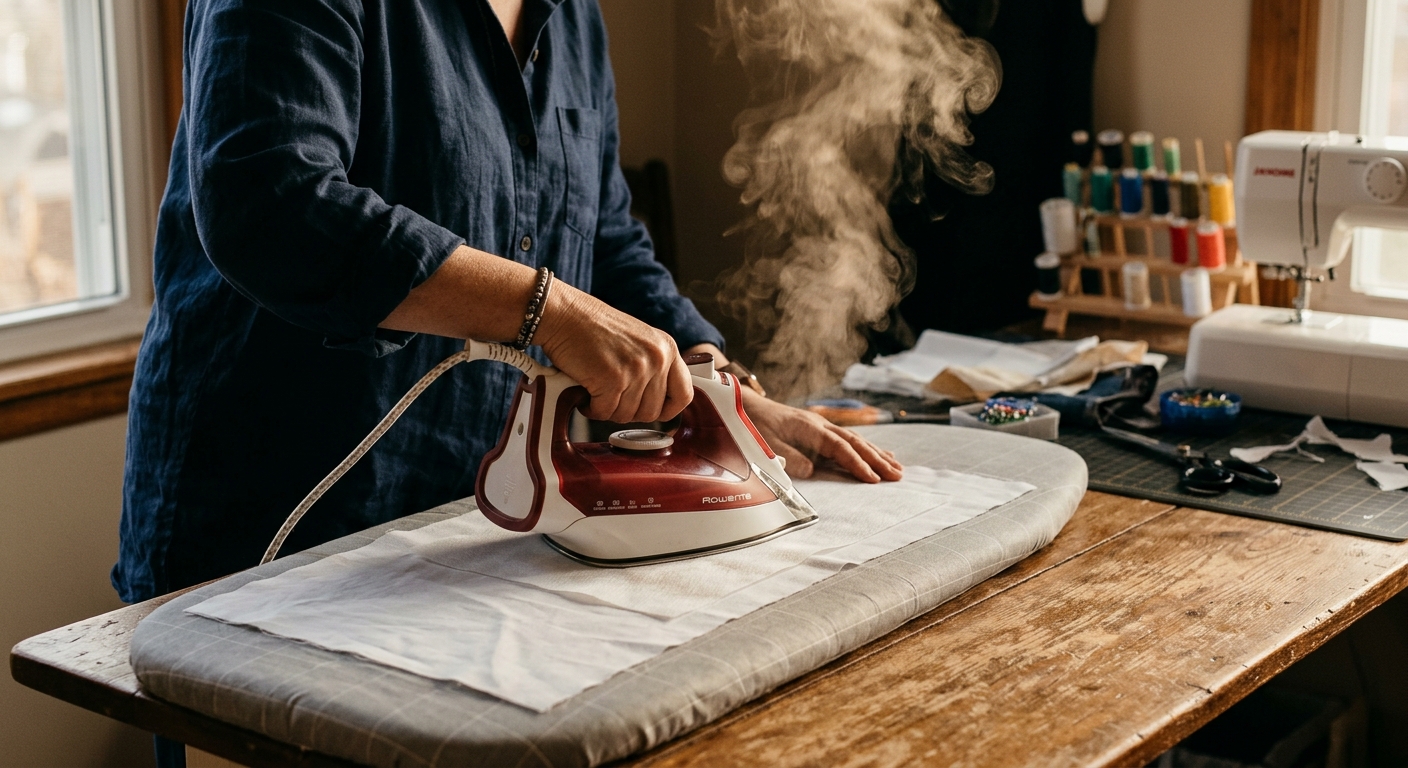
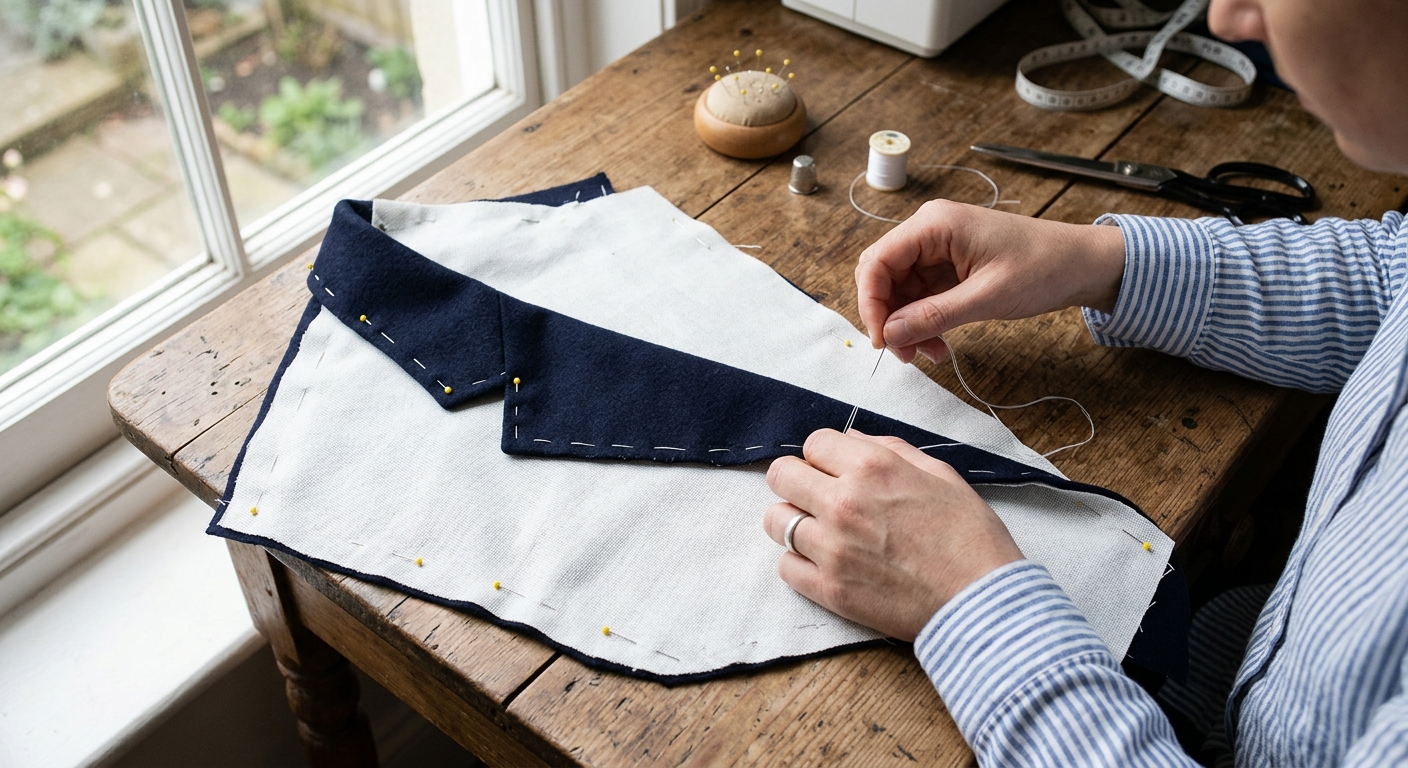
Sew-in interfacing gets treated like the backup plan, but for tailored jackets, silk blouses, and anything heat-sensitive, it's actually the superior option. Because there's no adhesive, there's zero risk of bubbling, and the interfacing moves with the fabric instead of locking it into a rigid laminate.
For instance, a bridal supplier working with beaded lace facings has no fusible option at all — the heat would melt the embellishments. Sew-in gets basted into the seam allowance, giving the same structural support in the bodice without touching the delicate surface. It's slower, yes, but it's the only technically correct choice in that scenario.
Tailors also lean on sew-in for jacket fronts because it allows for hand-manipulation — easing, shaping, and shrinking the interfacing slightly with steam to mold it to the body, something fusible simply can't do once it's bonded.
The Weight-Matching System: A Practical Chart, Not a Guessing Game
Match interfacing weight to fabric weight using this rule of thumb: interfacing should be equal to or slightly lighter than your face fabric — never heavier. A heavier interfacing overpowers the fabric's natural drape every time.
| Fabric Weight (GSM) | Fabric Examples | Interfacing Weight |
|---|---|---|
| Under 100 GSM | Chiffon, lawn, silk habotai | Featherweight sew-in or fusible tricot |
| 100-150 GSM | Cotton lawn, voile, light poplin | Lightweight fusible or sew-in |
| 150-220 GSM | Shirting cotton, chambray, medium poplin | Medium-weight fusible woven |
| 220-300 GSM | Denim, twill, canvas-weight blends | Heavy fusible or sew-in canvas/hair canvas |
| 300+ GSM | Coating wool, upholstery-weight fabric | Heavyweight sew-in canvas |
If you're unsure of your fabric's exact GSM, our guide on reading GSM like a pro walks through how to check it before you commit to interfacing.
The Pre-Shrink Test Nobody Skips (But Everyone Forgets)
Skip pre-shrinking your interfacing and you're setting up a bubbling disaster after the first wash — even the best-matched weight won't save you. Interfacing, especially fusible woven and non-woven types, can shrink independently of your fabric, and when the two shrink at different rates, you get puckering along every seam it touches.
The fix is simple: steam-press your interfacing yardage before cutting, the same way you'd pre-shrink fabric. This matters even more on shape-retention pieces — if you're working on structured garments, our shape retention fabric collection pairs well with pre-shrunk mid-weight fusible for exactly this reason.
Non-Woven vs. Woven vs. Knit Interfacing: The Overlooked Third Variable
Weight isn't the only spec that matters — the interfacing's own construction (woven, non-woven, or knit) needs to match your fabric's structure too, or you'll fight grain-line issues for the rest of the garment's life.
Quick Breakdown
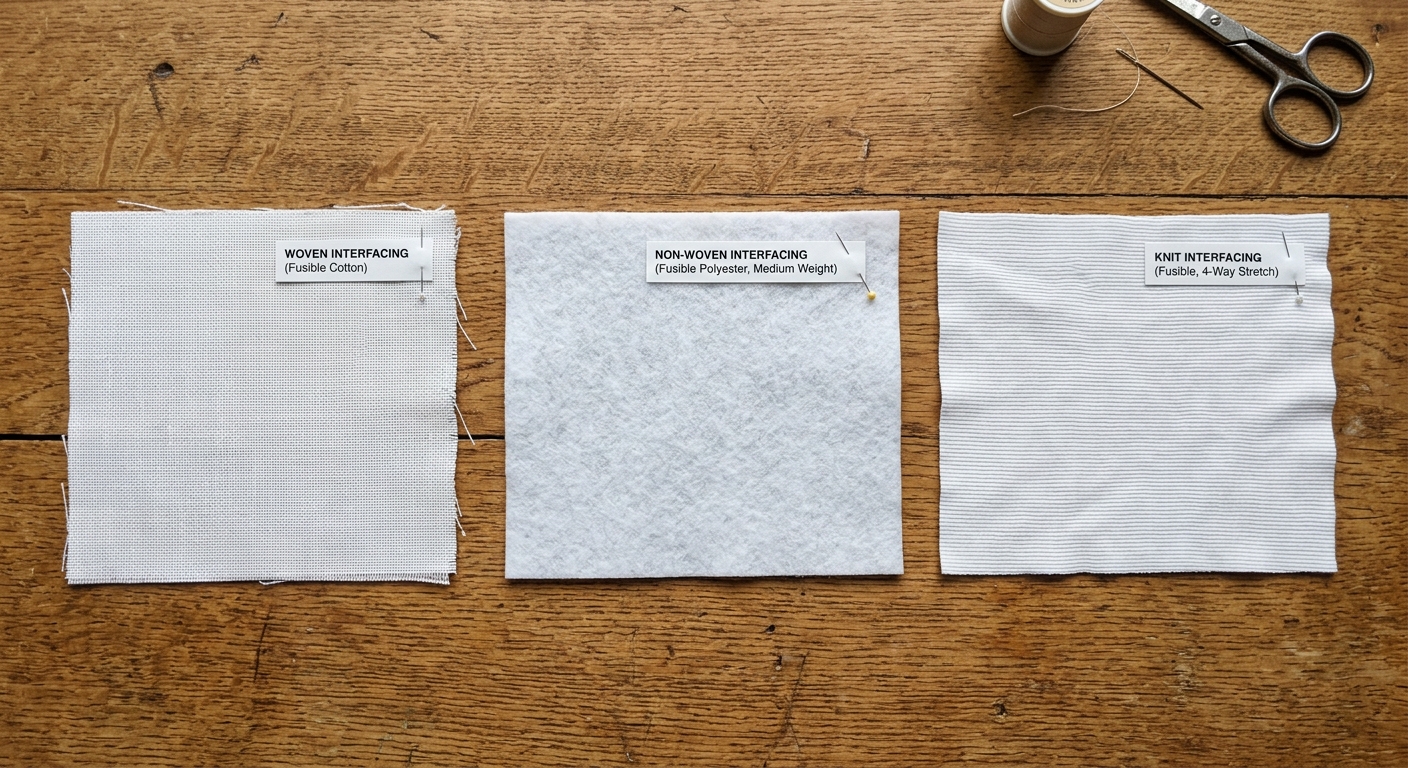
- Woven interfacing — has a grain line just like fabric, use on woven shells (shirts, trousers, jackets)
- Non-woven interfacing — no grain, cuts in any direction, good for craft projects and stable structure pieces like bags
- Knit/tricot interfacing — stretches slightly, essential for knit fabrics and anything with spandex content
Using non-woven on a knit garment is a classic rookie error — it locks the stretch out entirely, and the seam will pull and pucker every time the wearer moves. If you're working with stretch content, pair your interfacing choice with the fiber guidance in Stretch Fabrics 101 to keep the whole structure moving together.
Real-World Scenario: Matching Interfacing Across a Full Production Run
A mid-size shirt manufacturer running 500 units in a poplin shell (around 135 GSM) chose a medium-weight fusible woven interfacing for the collar and cuffs, but used a lighter tricot fusible for the front placket to avoid over-stiffening the button area. Same garment, two interfacing weights — because the placket needed to fold and flex while the collar needed to stand firm.
This is the mindset production teams should have: interfacing decisions aren't garment-wide, they're component-specific. Waistbands, collars, and structured bag panels can run heavier; facings, plackets, and soft closures should stay light. Trying to standardize one interfacing weight across an entire order is a common way inspection passes but the finished product still feels wrong on the sewing floor — a failure mode we cover in more depth in why fabric passes inspection but fails on the floor.
Common Mistakes That Ruin an Otherwise Good Garment
Three mistakes account for almost every interfacing complaint we hear: wrong weight, wrong heat setting, and skipping the test swatch. Test swatches take two minutes and save entire production runs — fuse a scrap before committing to yardage, every single time.
Heat setting matters more than people think, too. Too much heat on synthetic-blend fabrics like those in our laminated fabric range can distort the surface before the interfacing even bonds properly. Always check the fabric's heat tolerance first, then set your iron for the interfacing — not the other way around.




 Login with Google