


How Import Tariffs in 2026 Are Reshaping Wholesale Fabric Pricing

Wholesale fabric prices are up 8-22% in 2026, and tariffs are the biggest single reason why — not raw material costs, not shipping, not labor. The steepest increases are hitting China-sourced synthetics (polyester, bonded fabric, some knits), where combined tariff rates have climbed into the 20-34% range, while cotton-heavy goods from India and Vietnam have seen smaller but still meaningful bumps. If you're placing POs based on last year's price sheets, you're already behind.
What Actually Changed in 2026
Here's the thing nobody tells you upfront: tariffs don't move in one clean jump. They stack. A base Section 301 rate gets layered with a new textile-specific surcharge, then a currency adjustment gets tacked on by the importer to cover their own margin squeeze. By the time it hits your invoice, that 'small tariff increase' you read about in a trade newsletter has compounded into something much bigger.
In early 2026, the U.S. expanded tariff coverage on Chinese-origin synthetic textiles and added new countervailing duties on subsidized polyester production. Combined with carryover Section 301 tariffs, effective rates on some Chinese polyester and blended fabrics now sit between 20% and 34%, depending on classification. Vietnam and India, positioned as 'tariff-friendly' alternatives for years, are also seeing modest increases as trade negotiators close loopholes that let goods get relabeled mid-supply-chain.
Who's Getting Hit Hardest — And Who Isn't
Not all fabric is affected equally, and that's the part buyers keep missing. Synthetic and blended fabrics sourced from China are absorbing the worst of it. Natural fiber goods, particularly cotton and linen from India, Pakistan, and parts of Southeast Asia, are seeing smaller increases because they fall under different tariff schedules and aren't tied to the same trade disputes.
The Synthetic Squeeze
Polyester-heavy fabrics — think bonded fabric, glossy performance textiles, and most stretch synthetics — are seeing the steepest landed cost increases. If your product line depends heavily on stretchy fabric sourced from Chinese mills, expect your per-yard cost to have jumped noticeably since last year, even before you factor in freight.
The Natural Fiber Cushion
Cotton and linen buyers have more breathing room. Tariff schedules treat these categories differently, and origin diversification across South Asia has been easier to execute because the supplier base was already broader. It's not immunity — it's a smaller hit.
The Landed Cost Math Buyers Are Getting Wrong
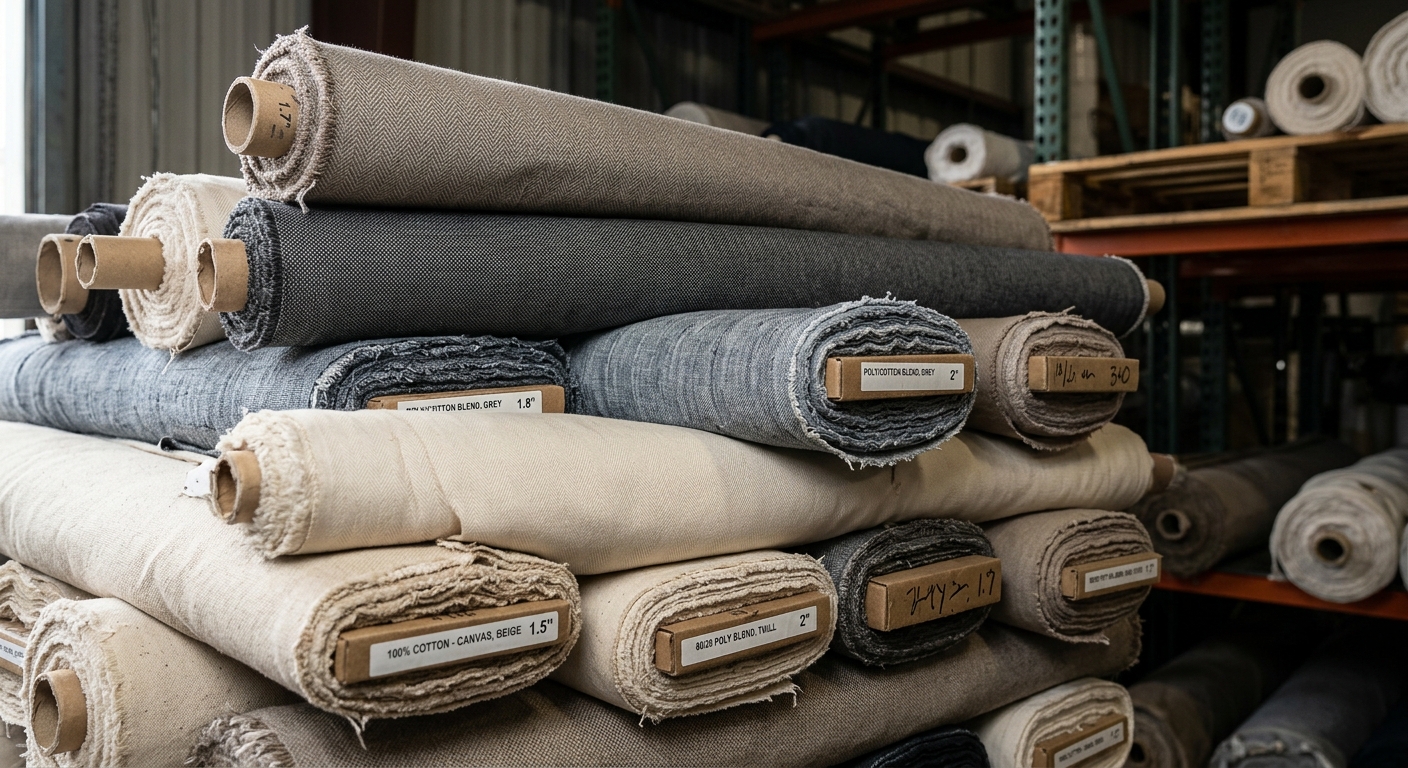
Quoted fabric price and landed cost are two different numbers, and confusing them is how buyers get blindsided at the invoice stage. A $3.20/yard quote from a Chinese mill isn't $3.20 anymore once you add a 28% tariff, freight, insurance, and customs brokerage fees — it's closer to $4.35, sometimes higher.
This is exactly the gap covered in our breakdown of landed cost math for overseas mill sourcing, and 2026's tariff environment makes that math more important than ever. If you're still comparing supplier quotes side by side without running full landed cost calculations, you're comparing the wrong numbers entirely.
For example, a mid-size activewear brand sourcing moisture-wicking knits from a Guangdong mill recently found their 'competitive' $2.80/yard quote actually landed at $3.90/yard after tariffs and fees — nearly identical to a Vietnamese alternative quoted at $3.40/yard with a lower tariff burden. The cheaper-looking quote wasn't cheaper at all.
How Wholesale Suppliers Are Responding
Suppliers aren't just passing tariffs straight through — most are restructuring how they source to soften the blow for buyers, and it's worth understanding the tactics because they affect what you're actually paying for.
- Origin diversification: Mills are opening secondary production lines in Vietnam, Bangladesh, and India to reclassify goods under lower-tariff origins.
- Fiber substitution: Some suppliers are quietly shifting blend ratios — more cotton, less polyester — to shift tariff classification, which can subtly change hand-feel and performance.
- Forward-buying: Larger wholesalers are stockpiling inventory purchased before tariff hikes took effect, which is why some fabric lines haven't moved in price yet — but will once that inventory runs out.
This is also why auditing your supplier matters more this year than last. If a supplier's price hasn't moved at all in 2026, ask why. It might mean pre-tariff stock, or it might mean a fiber substitution you weren't told about — the kind of thing a proper supplier audit checklist would catch before it becomes a production problem.
Fiber-by-Fiber: Where the Price Pressure Actually Lands
Cotton and Cotton Blends
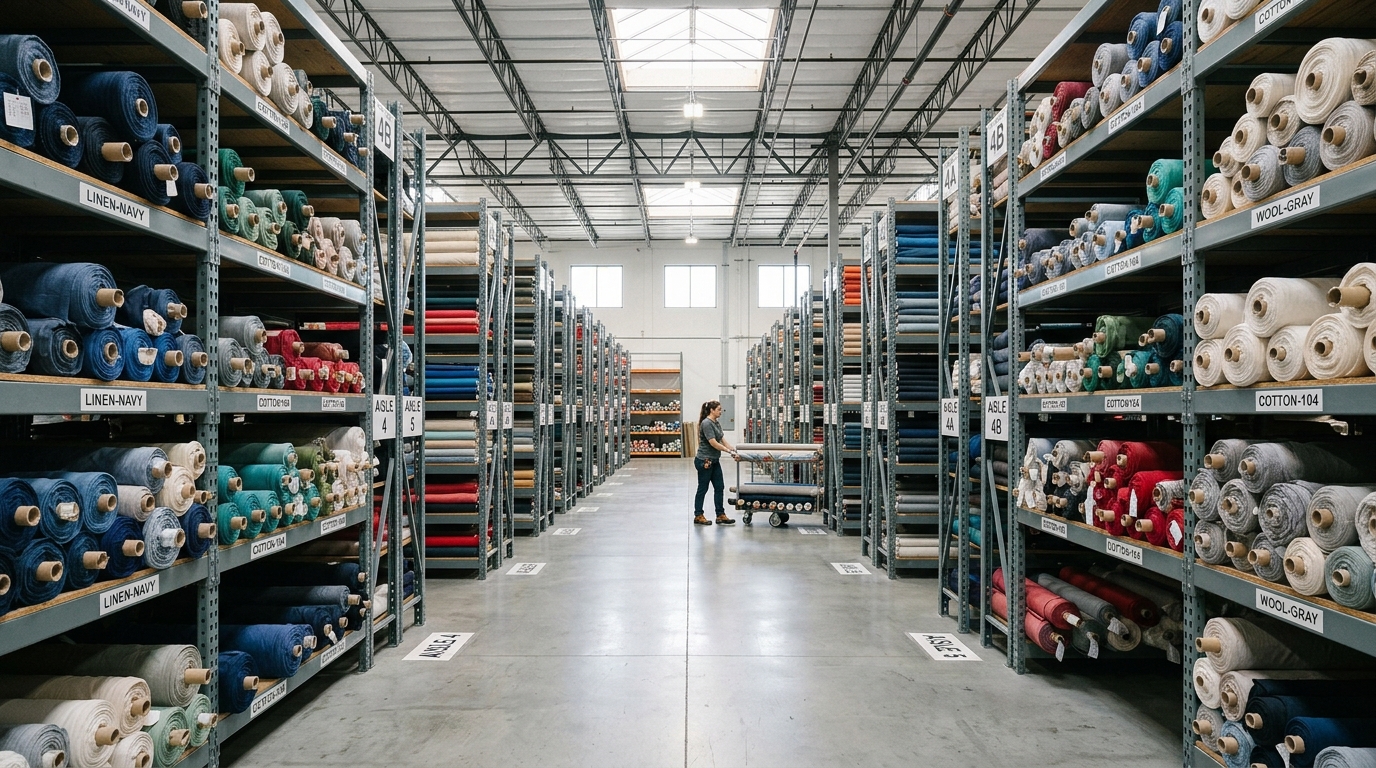
Modest increases, mostly 4-9%, concentrated in blends with synthetic content above 30%. Pure cotton wovens and knits are relatively insulated.
Polyester and Synthetic Knits
The hardest hit category. Expect 15-30%+ increases on China-origin goods specifically. This is the category where switching suppliers or origins delivers the biggest savings.
Specialty and Coated Fabrics
Fabrics with PU or PVC coatings, often used for outdoor and marine applications, face compounded tariffs because both the base textile and the coating chemistry can trigger separate classification codes. If you're buying water-resistant fabric, this is worth flagging with your supplier directly rather than assuming a flat percentage applies.
Natural Specialty Fibers
Linen, silk-adjacent fabrics like shantung, and other specialty naturals have seen the smallest tariff-driven increases, mostly because production is concentrated outside the highest-tariff regions.
Practical Moves for Bulk Buyers Right Now
You have more control over this than the trade headlines suggest. The buyers weathering 2026 best aren't the ones with the biggest budgets — they're the ones who adjusted their sourcing logic early.
Diversify Origin, Not Just Supplier
Switching from one Chinese mill to another doesn't help if the tariff is origin-based. Real savings come from shifting categories like soft hand-feel fabric or synthetic knits to Vietnamese, Indian, or Turkish production where tariff exposure is lower.
Renegotiate MOQs Around New Cost Realities
Higher landed costs change the math on minimum order quantities. If tariffs added 20% to your per-yard cost, a smaller, more frequent order cadence might now beat a large bulk buy sitting in a warehouse depreciating against a currency shift. Our MOQ negotiation playbook covers exactly how to reopen these terms without damaging supplier relationships.
Lock in Pricing Where You Can
Suppliers offering fixed-price contracts through Q4 2026 are worth serious consideration right now, even at a slight premium, because further tariff escalation isn't off the table.

What This Means for Product Pricing Downstream
If you're absorbing a 20% cost increase on your core fabric without adjusting retail or wholesale pricing downstream, you're not being generous — you're eroding margin on every unit you move. A better approach: audit your bill of materials now, identify which SKUs rely most heavily on high-tariff fiber categories, and reprice or reformulate those specific lines rather than applying a blanket increase across your whole catalog.
For instance, a home textile brand producing both cotton towels and polyester-blend throw blankets found that only the blanket line needed a price adjustment — their towel fabric sourcing from India stayed largely tariff-neutral, while the blend blankets sourced from China absorbed the full hit. Segmenting the response saved them from an across-the-board price increase that would have hurt their most profitable, tariff-insulated product line.


 Login with Google