

Home Sewists vs Wholesale Buyers: Where to Actually Shop for Fabric in 2026

Home sewists should shop retail fabric stores and small-lot online shops built for single projects; wholesale buyers should go straight to mill-direct or wholesale-specific suppliers that quote by the roll, not the yard. The two groups are shopping for fundamentally different things — one wants flexibility and low commitment, the other wants price-per-yard and consistency at volume — and mixing up the channels is where most people overpay or get stuck with the wrong fabric entirely.
The Real Difference Isn't Quantity — It's Risk Tolerance
Everyone assumes the home-sewist-vs-wholesale-buyer split is just about how many yards you're ordering. It's not. The real difference is how much risk you can absorb if the fabric shows up wrong.
A home sewist buying 3 yards for a dress can eat a mistake. Bad drape? Cut something else. A wholesale buyer who committed to 800 yards for a production run doesn't have that luxury — a bad batch means blown margins, missed delivery dates, and an angry client. That's why wholesale buyers obsess over things retail shoppers never think about: dye lot numbers, spec sheets, and shrinkage rates.
Why This Matters for Where You Shop
Retail and small-batch fabric shops are built to absorb variability — a slightly-off bolt gets marked down and sold as a remnant. Wholesale suppliers can't operate that way at scale, so they build quality control into the sourcing process itself, which is exactly why their per-yard price only makes sense once you're buying in volume.
Where Home Sewists Should Actually Be Shopping
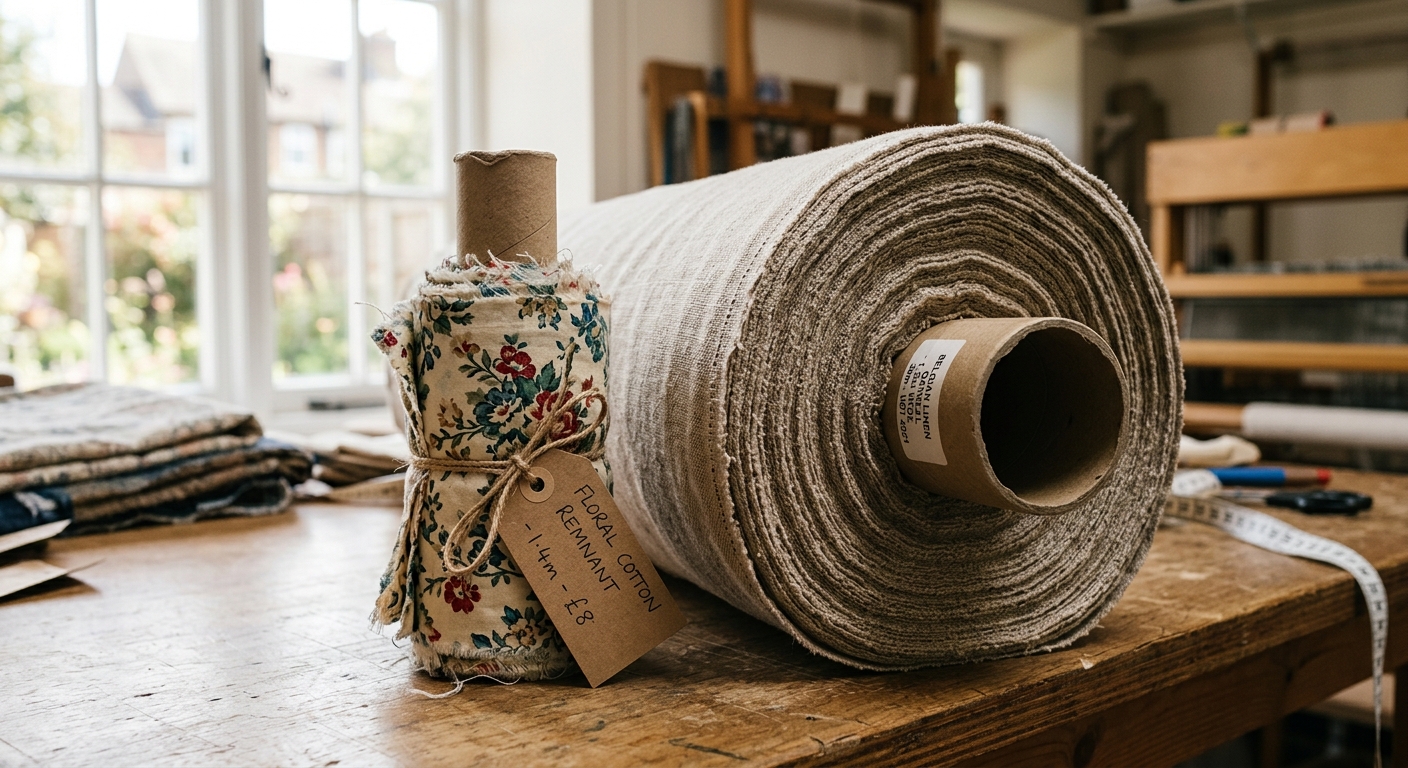
If you're sewing for yourself or a small side business, your best options are curated online fabric shops and specialty retailers — not wholesale suppliers, even if their sample prices look tempting.
- Curated online stores — great for browsing by fiber content, pattern, or color, like blue fabric by the yard or African print cotton.
- Specialty niche shops — best for hard-to-find materials like bouclé or faux suede.
- Local fabric stores — still valuable for touch-testing hand-feel before you commit, especially with weight-sensitive materials.
A Quick Reality Check
For instance, a home sewist making a single winter coat might need 3 yards of wool blend. Buying that at wholesale MOQs — often 25+ yards minimum — means paying for fabric that sits in a closet for years. Retail-priced small-lot shopping is actually the cheaper move here, not the wholesale route.
Where Wholesale Buyers Should Actually Be Shopping
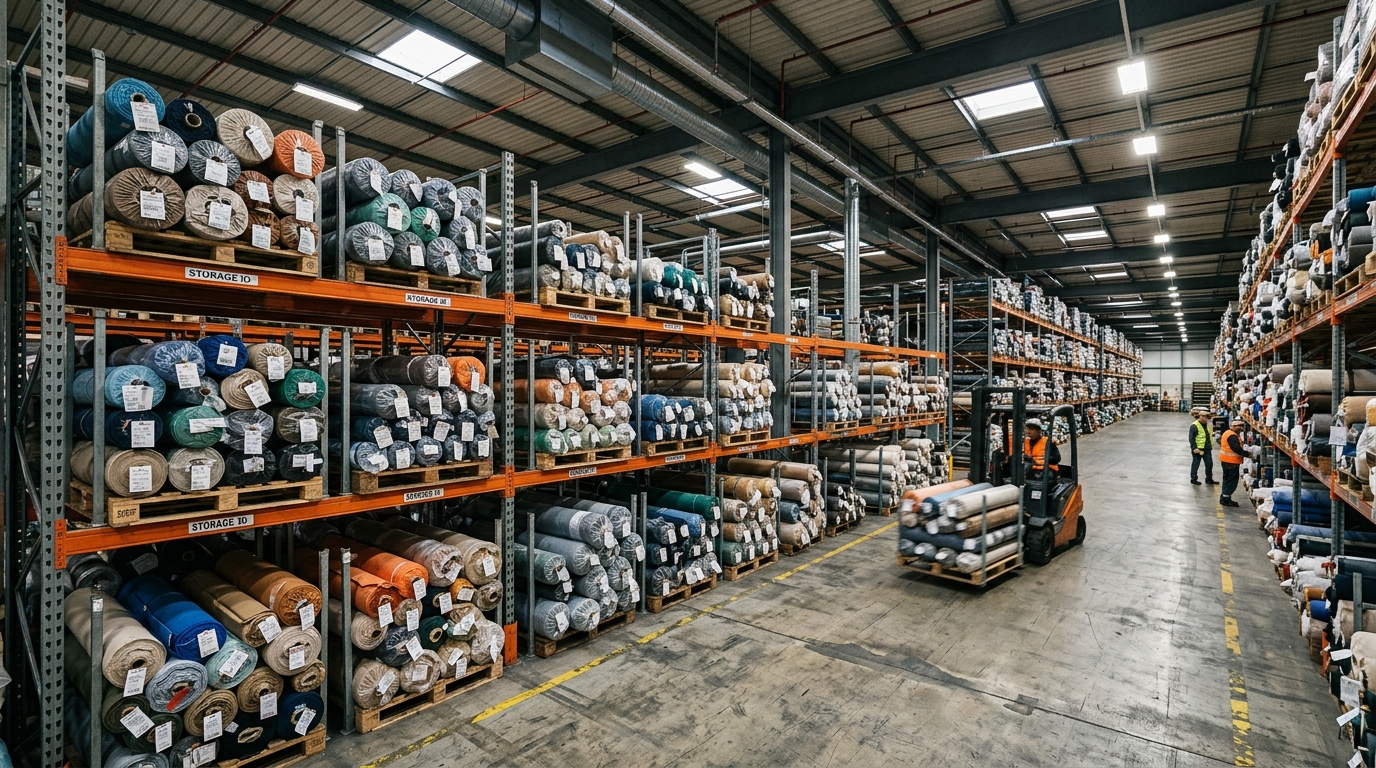
Wholesale buyers — small apparel brands, upholstery shops, uniform companies — need suppliers that quote by the roll and can guarantee consistency across repeat orders. That's a completely different sourcing relationship than a retail transaction.
Look for suppliers who publish GSM weights, fiber content percentages, and shrinkage data up front. If a supplier won't give you a spec sheet before you order, that's a red flag worth taking seriously — see our breakdown on red flags when buying fabric online. You also want to understand how MOQs actually get negotiated before you assume a supplier's minimum is fixed.
Case in Point: The Uniform Company
A regional uniform manufacturer ordering 2,000 yards of twill fabric annually doesn't shop the same way a hobbyist does. They lock in a supplier relationship, negotiate per-yard pricing tiers, and require dye lot matching across quarterly reorders — because a visibly mismatched batch of uniforms is a liability, not just an inconvenience.
The Overlap Zone Nobody Talks About
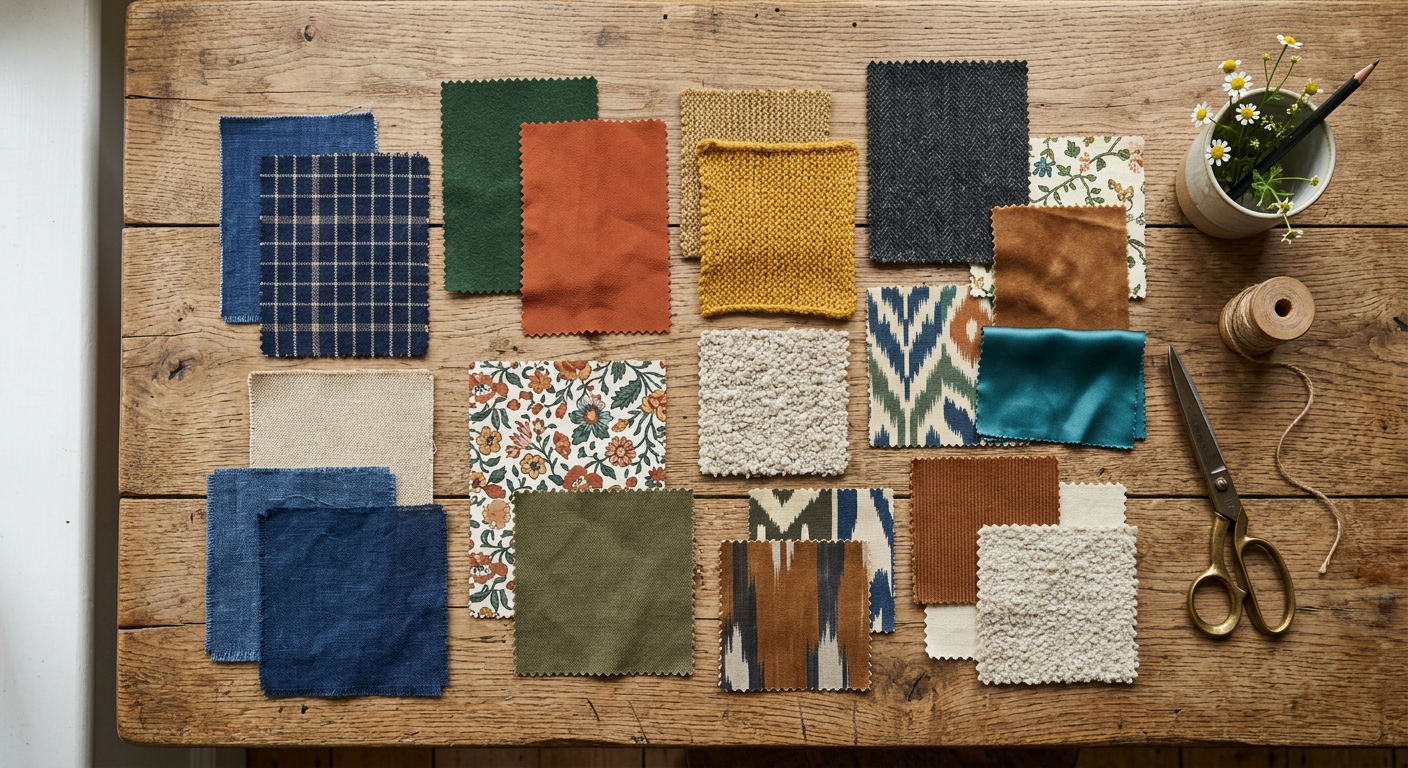
Here's what most guides skip: there's a growing middle tier of buyers who don't fit neatly into either box. Small Etsy sellers scaling into 50-unit production runs. Costume designers buying for a theater season. Home-based small-batch clothing brands.
These buyers are technically home sewists in scale but wholesale buyers in mindset — they need consistency and price breaks but can't hit traditional MOQs. If you're in this zone, your move is to find suppliers offering tiered pricing that rewards volume without demanding factory-scale commitments. Categories like ripstop or lawn fabric often have this flexibility built in because they serve both crafters and small manufacturers.
Price Isn't the Only Thing That Changes at Scale
Most people think the wholesale-vs-retail decision comes down to price per yard. It doesn't — it comes down to what you're allowed to inspect before you commit.
Retail shoppers can return a bolt to a physical store or dispute a small online order easily. Wholesale buyers are bound by terms and conditions that spell out inspection windows, damage claims, and acceptable variance percentages. Read those terms before your first bulk order — not after a shipment arrives with a color shift you didn't expect. That's also why understanding dye lot variance matters more at wholesale volume than it ever does for a single retail purchase.
| Factor | Home Sewist Route | Wholesale Buyer Route |
|---|---|---|
| Typical order size | 1–15 yards | 50–5,000+ yards |
| Price per yard | $8–$40+ | $1.50–$12 |
| MOQ requirements | None | Often 25–100 yards per color |
| Dye lot consistency | Varies | Locked in per production run |
| Spec sheet access | Rarely provided | Standard practice |
| Return flexibility | Usually easy | Governed by contract terms |
| Lead time | Instant to a few days | 1–8 weeks |
| Best for | One-off projects, samples | Production runs, retail lines |
Fiber and Fabric Type Changes Where You Should Shop, Too
Not all fabric categories split evenly between the two buyer types. Some materials are almost exclusively a home-sewist purchase; others barely exist outside wholesale channels.
Novelty and decorative fabrics — think damask or bird's eye pique — tend to sell in smaller retail quantities because demand is project-driven, not production-driven. Meanwhile, performance fabrics like moisture-wicking activewear materials and technical wovens are almost always a wholesale purchase, because the testing and certification costs only make sense at scale. If you're comparing fiber options before deciding your channel, our cotton vs polyester vs blends breakdown is a good next stop.
The Mistake Both Groups Make
Home sewists sometimes chase wholesale pricing without understanding MOQs, ending up stuck with far more fabric than they need — see our piece on calculating exact yardage needs before you're tempted by a bulk discount.
Wholesale buyers make the opposite mistake: sourcing from consumer-facing retail sites because the sample photos looked good, then discovering there's no supply chain behind it to support a reorder. If you can't get the same fabric again in six months, it's not a wholesale source — no matter how the listing is worded. Always check whether a supplier can commit to repeat production before building a product line around one fabric.
How to Decide in Under Five Minutes
Ask yourself three questions: How many total yards will I need this year? Do I need the exact same fabric again in six months? Can I absorb a shipment that's slightly off from what I expected?
If your answers point to small, one-time, flexible — shop retail or small-batch online. If they point to recurring, large, and consistency-critical — go wholesale and start vetting suppliers properly using a framework like our 12-point supplier audit checklist. Most buyers already know which camp they're in; the mistake is shopping like the other one anyway.


 Login with Google