-

Free Samples!



Why Your Customers Complain About Fabric Feel (And the Hand-Feel Vocabulary You Need to Fix It)

Table of Contents
When a customer complains that a fabric feels “cheap” or “wrong,” they almost never mean the fiber content is bad — they mean the hand-feel didn't match what they pictured. The fix isn't better quality control. It's better vocabulary: specific terms like drape, scroop, loft, and tooth that let you describe touch the way a sommelier describes wine. Get fluent in this language and 80% of “quality” complaints disappear before the PO is even signed.
The Real Reason “It Feels Cheap” Keeps Landing in Your Inbox
Here's a hard truth: most fabric returns aren't quality failures. They're vocabulary failures. A customer ordered a poly satin imagining the buttery weight of a charmeuse, and what arrived was a stiff, plasticky bridal-grade satin. Both are technically “polyester satin.” Both passed every spec on paper. But the hand-feel was on opposite ends of the universe.
This happens because the standard spec sheet — GSM, fiber content, weave — captures roughly 40% of what a person actually feels when they touch fabric. The other 60% lives in attributes nobody puts numbers on: how it cascades, how it whispers, how it grips skin. If you can't name those things, you can't order against them, and you can't push back when a mill ships something “within spec” that feels completely wrong.
For instance, a boutique buyer recently complained that 200gsm bamboo jersey arrived “weird and slimy.” The fiber was correct. The weight was correct. What was missing? Tooth. The previous lot had a slightly raised, brushed surface; this one was calendared smooth. One word in the next PO — “maintain surface tooth, no calendering” — would have prevented the entire return.
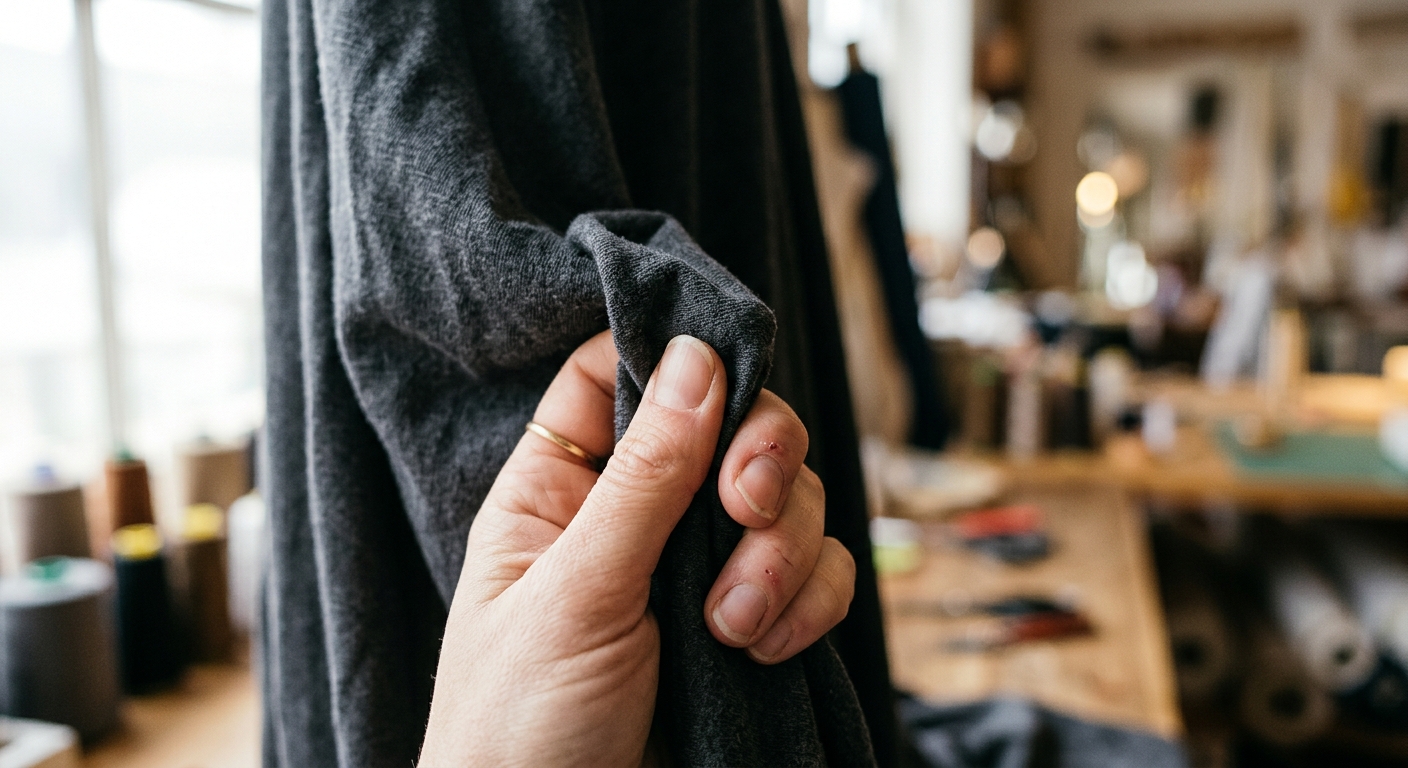
The Six Core Hand-Feel Terms Every Buyer Should Know
Forget the 40-term textile glossaries. Six words cover 90% of real-world complaints. Master these and you'll communicate with mills like an insider.
Drape
How the fabric falls under its own weight. High-drape fabrics (rayon challis, silk crepe) pool and flow. Low-drape fabrics (canvas, denim) hold structure. A bias-cut slip dress needs high drape; a structured blazer needs low drape. Mix these up and your customer will say the garment “hangs funny.”
Hand
The overall tactile impression — soft, crisp, dry, oily, papery, buttery. “Good hand” is meaningless. “Dry, slightly crisp hand with quick recovery” is a spec.
Scroop
The rustling sound silk makes when it moves. Real charmeuse scroops; cheap poly imitations squeak instead. If you sell premium satin fabric, you should be specifying scroop explicitly.
Loft
Thickness from trapped air, not from yarn density. Polar fleece has high loft. Quilted batting has high loft. Loft creates warmth without weight — and it compresses, then recovers. Low-loft compression after shipping is a top-three customer complaint.
Crispness
How much the fabric resists bending. Crisp poplin holds a sharp crease; limp poplin slumps. This is the single most misjudged property in shirting orders.
Tooth
Surface friction. Linen has tooth. Sateen does not. Tooth affects how fabric sits on skin, how it accepts pins, how it photographs. Wedding-dress designers obsess over tooth; activewear buyers should too.
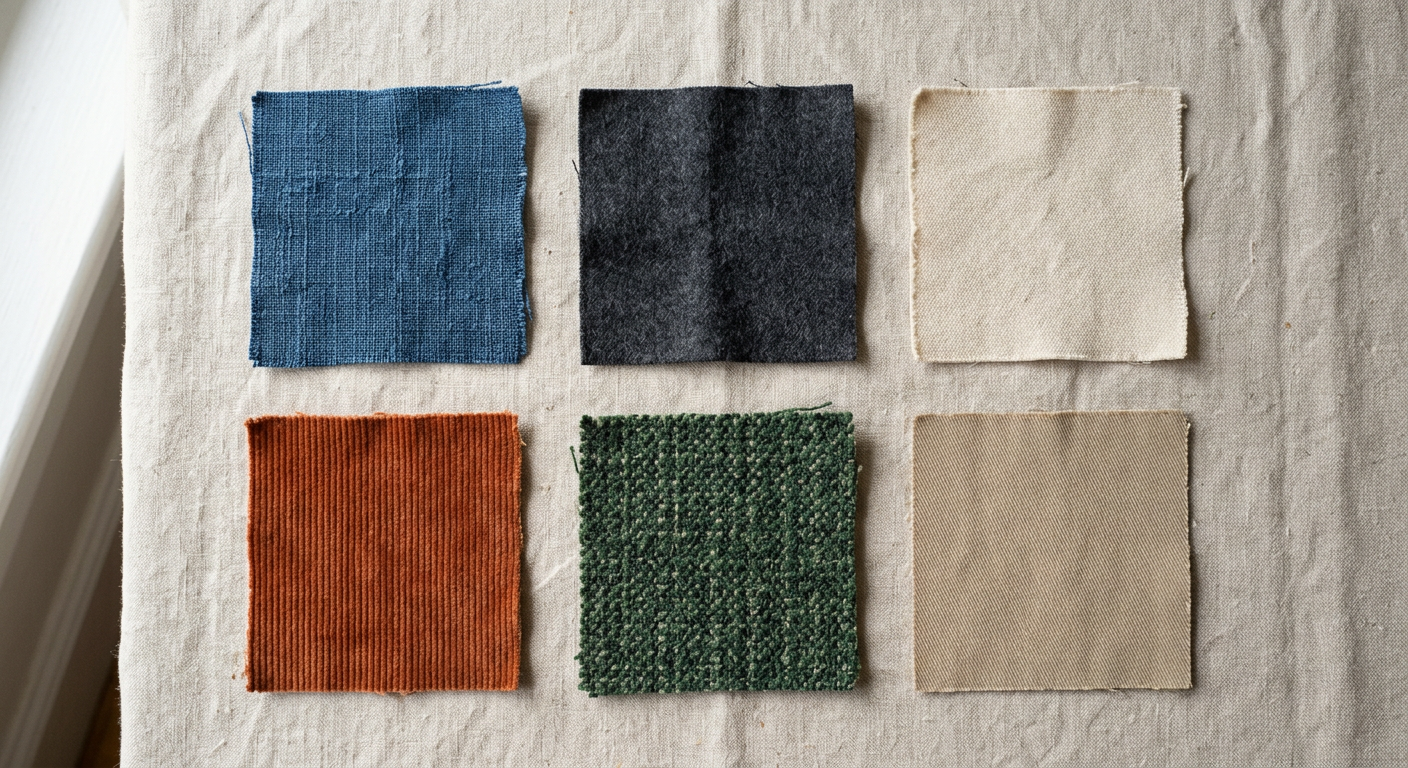
How to Translate Customer Complaints Into Mill-Ready Language
Customers speak in feelings. Mills speak in specs. You are the translator. Here's a cheat sheet for the most common gripes:
- “It feels cheap” → usually means low drape + high crispness + plasticky hand. Ask the mill to reduce stiffness via a softer finish or higher twist yarn.
- “It feels scratchy” → high tooth + coarse fiber ends. Specify combed yarn, peach-skin finish, or enzyme wash.
- “It's too thin” → almost never about GSM. It's about loft. Ask for higher yarn count or brushed back.
- “It's clingy” → low tooth + high static. Specify anti-static finish or natural-fiber blend.
- “It looks dead” → poor drape + matte surface. Increase fiber content of viscose or silk, or specify a calendered finish for sheen.
Pair these translations with the eight spec-sheet numbers that actually matter, and your POs become bulletproof.
The Drape Test You Can Run in 30 Seconds
The textile industry has a formal drape coefficient test involving rotating disks and shadow measurement. You don't need it. You need a table edge.
Cut a 12-inch square. Lay six inches flat on a table; let six inches hang off the edge. Measure the angle of fall from horizontal:
- 0–15 degrees: very stiff (denim, canvas, neoprene)
- 15–45 degrees: structured (poplin, twill, linen suiting)
- 45–75 degrees: medium drape (jersey, crepe, lightweight wool)
- 75–90 degrees: high drape (rayon challis, silk charmeuse, modal)
Run this test on every approval swatch. Photograph it. Send the photo with your next PO and say “match this drape.” You've now given the mill something to actually aim at instead of vibes.
A small skirt fabric buyer we know uses this exact test on every reorder. Her return rate dropped from 11% to under 2% in one season — not because the fabric changed, but because she stopped accepting drape variance she couldn't measure before.

Why Hand-Feel Changes Between Lots (Even When Specs Don't)
Here's what nobody tells new buyers: identical spec sheets can produce wildly different hand-feel because finishing chemistry varies batch to batch. The same 180gsm cotton jersey can arrive feeling buttery one month and chalky the next, depending on:
- Softener load: silicone vs. cationic softeners change hand dramatically. Silicone gives slip; cationic gives fluff.
- pH neutralization: incomplete acid rinse leaves a dry, squeaky hand.
- Mechanical finishing: sanding, brushing, peach-finishing, and calendering all alter surface tooth.
- Humidity at packing: fabric packed dry feels crisper; packed humid feels softer but may have hand issues after acclimation.
The fix? Specify the finish, not just the fabric. “180gsm combed cotton jersey” is incomplete. “180gsm combed cotton jersey, silicone softener, peach finish, pH 6.5–7” is a real spec. This is the same discipline you'd apply to preventing dye lot variance — except for touch instead of color.
Hand-Feel by Application: What to Specify for Which Product
Different end uses demand different hand-feel priorities. Specifying without knowing the use case is how you end up with technically excellent fabric that's wrong for the job.
Apparel Next-to-Skin
Prioritize low tooth, high drape, neutral pH. Customers describe winners as “soft” and losers as “itchy.”
Outerwear & Structured Pieces
Prioritize crispness and low drape with controlled hand. A trench coat fabric that drapes too much will look limp on the hanger and never sell.
Performance & Activewear
Prioritize quick recovery and dry hand. Wet hand-feel matters here — a moisture-wicking fabric that feels great dry but clammy wet will get one-star reviews.
Home & Blankets
Prioritize loft and recovery. Blanket fabric compressed in shipping that doesn't bounce back within 48 hours will trigger returns no matter how nice the yarn is.
Eveningwear & Special Occasion
Prioritize scroop, drape, and sheen. This is where chantilly lace and silk crepe earn their premium — properties you literally cannot fake on paper.
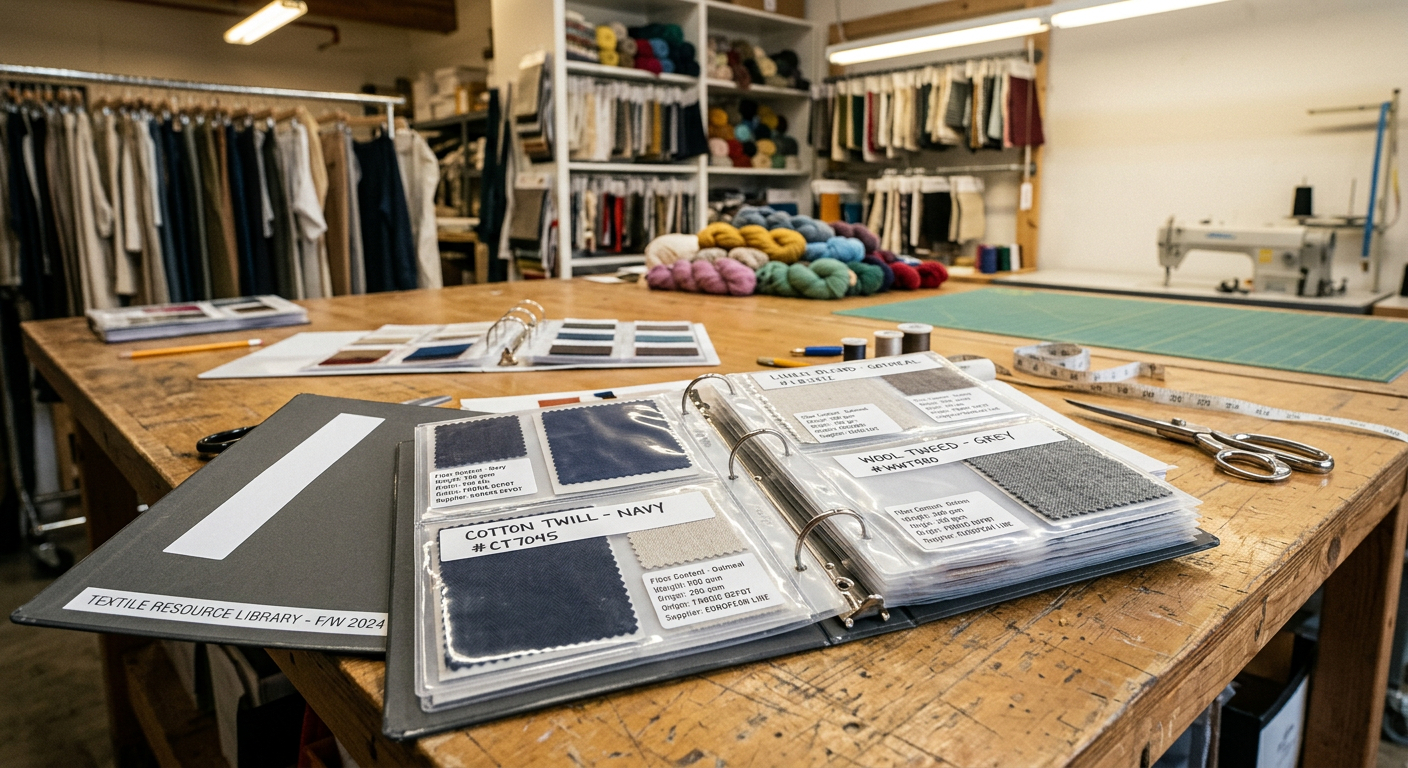
Building a Hand-Feel Reference Library (And Why You Need One)
Every serious buyer eventually builds a physical reference library — labeled swatches representing “target hand-feel” for each program. This is the single highest-ROI thing you can do for your sourcing operation, and almost nobody does it.
Here's the system that works:
- For every approved fabric, archive a 6x6in master swatch in a sealed sleeve with a date, lot number, and your hand-feel notes (drape angle, scroop yes/no, tooth high/med/low).
- When reorders arrive, compare new lots against the master under the same humidity. Do it within 24 hours of unpacking.
- Send mills your master swatch photos and notes with every PO. Tell them: “Hand-feel must match attached reference within tolerance.”
- Reject lots that drift more than one category on any attribute. This is contractually enforceable if you specified it upfront.
For instance, a mid-size uniform manufacturer started archiving polo shirt fabric masters two years ago. Their hand-feel complaints from corporate clients dropped 70% — not because the fabric got better, but because they could now reject “close enough” lots with documentation.
Putting It All Together: A Better PO Template
Stop sending POs that read like grocery lists. Here's the upgrade. A typical bad PO line:
“500 yards, 180gsm cotton jersey, navy”
A hand-feel-aware PO line:
“500 yards, 180gsm combed cotton jersey, navy (Pantone 19-3933 TCX). Hand-feel: medium drape (60–75 degree fall test), low tooth, soft buttery hand with quick recovery. Silicone softener finish, no calendering. Match attached master swatch dated 2026-03-14 within one category on all attributes. Reject criteria: any lot reading as crisp, papery, or scratchy.”
This PO is harder to argue with. It's harder for a mill to ship something wrong. And when something does go sideways, you have specific contractual language to point at instead of a vague “it doesn't feel right.”
The Bottom Line on Hand-Feel Complaints
Customer complaints about fabric feel are vocabulary problems disguised as quality problems. The fabric industry has perfectly good words — drape, scroop, loft, tooth, crispness, hand — for everything your customers are trying to describe. Use those words on your spec sheets, build a reference library, and run the 30-second drape test on every approval. You'll cut returns, sharpen mill communication, and stop arguing about “feel” once and for all.
When you're ready to source fabrics with hand-feel documented up front, browse our wholesale fabric collection or register for trade access to request master swatches before you commit to a yard.



 Login with Google