


Fabric Shrinkage Rates by Type: A Cheat Sheet So You Stop Cutting Short

Most woven fabrics shrink between 2% and 10% on the first wash, but wool knits and untreated rayon can lose 15–20% — enough to turn a perfectly cut garment into doll clothes. The safe rule: add 5–7% extra yardage for cotton and linen, 10–12% for rayon and non-sanforized denim, and up to 20% for anything wool or felting-prone. Below is the cheat sheet, fiber by fiber, plus the weave, finish, and washing variables that make those numbers swing.
Why Fabric Shrinks in the First Place (and Why It Matters to Your Bottom Line)
Shrinkage isn't the fabric getting smaller — it's the fibers relaxing back to where they wanted to be before the mill stretched them. During weaving and finishing, yarns are pulled taut under tension. The first time heat and moisture hit them, they contract. That's called relaxation shrinkage, and it's the biggest culprit.
There's also consolidation shrinkage (fibers swelling, then packing tighter) and felting shrinkage (wool scales locking together). Each behaves differently, which is why one cotton might shrink 3% and another 8% — same fiber, different finishing.
For a bulk buyer, a 5% miscalculation on 1,000 yards is 50 yards of lost product. On premium fabric at $12/yard, that's $600 out the window per order. Shrinkage math isn't optional — it's margin.
The Cheat Sheet: Shrinkage Rates by Fiber Type
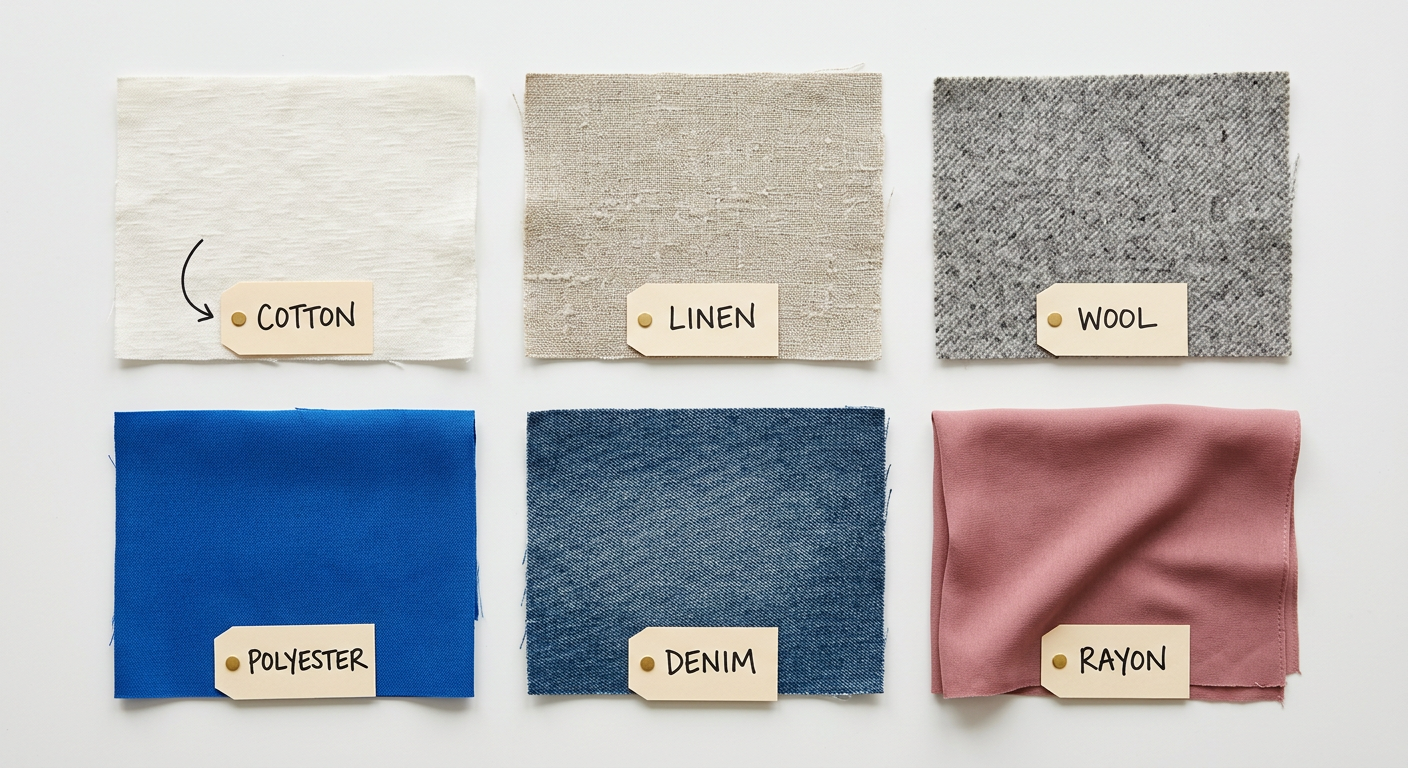
Here's the quick-reference table. Pin it above your cutting table. These numbers assume a standard warm-water wash and medium-heat tumble dry — the conditions most end users will subject your product to.
| Fabric Type | Typical Shrinkage Risk | Safe Extra Yardage to Add | Example: If You Need 10 Finished Yards | Best Practice Before Cutting |
|---|---|---|---|---|
| Pre-shrunk or sanforized cotton | Low | 2–3% | Order 10.2–10.3 yards | Check the spec sheet for residual shrinkage. |
| Regular cotton, cotton jersey, French terry | Medium | 5–10% | Order 10.5–11 yards | Wash a 1-yard test sample first. |
| Linen and hemp | Medium to high | 7–10% | Order 10.7–11 yards | Pre-wash, dry, and press before cutting. |
| Rayon or viscose | High | 10–12% | Order 11–11.2 yards | Always pre-wash because shrinkage can continue after the first wash. |
| Non-sanforized denim or raw cotton | High | 10–12% | Order 11–11.2 yards | Test wash before bulk cutting, especially for fitted garments. |
| Wool knits or untreated wool | Very high | 15–20% | Order 11.5–12 yards | Steam or cold-test first; avoid heat and agitation. |
| Polyester, nylon, acrylic | Low | 2–4% | Order 10.2–10.4 yards | Confirm heat-setting quality with the supplier. |
| Poly-cotton and other stable blends | Low to medium | 3–5% | Order 10.3–10.5 yards | Use the dominant fiber as your shrinkage guide. |
Use the right-hand column when calculating yardage. If you need 100 finished yards of cotton jersey, order 108–112. If you're working with wool knit, order 120. And if you want a deeper walkthrough of yardage math, our guide on calculating fabric needed without over-ordering pairs well with this cheat sheet.
One caveat: these are averages from industry testing (AATCC 135 and ISO 6330 standards). Your specific roll can deviate. Always test a 1-yard sample before cutting into the full order.
Cotton: The 5% Rule and When to Break It
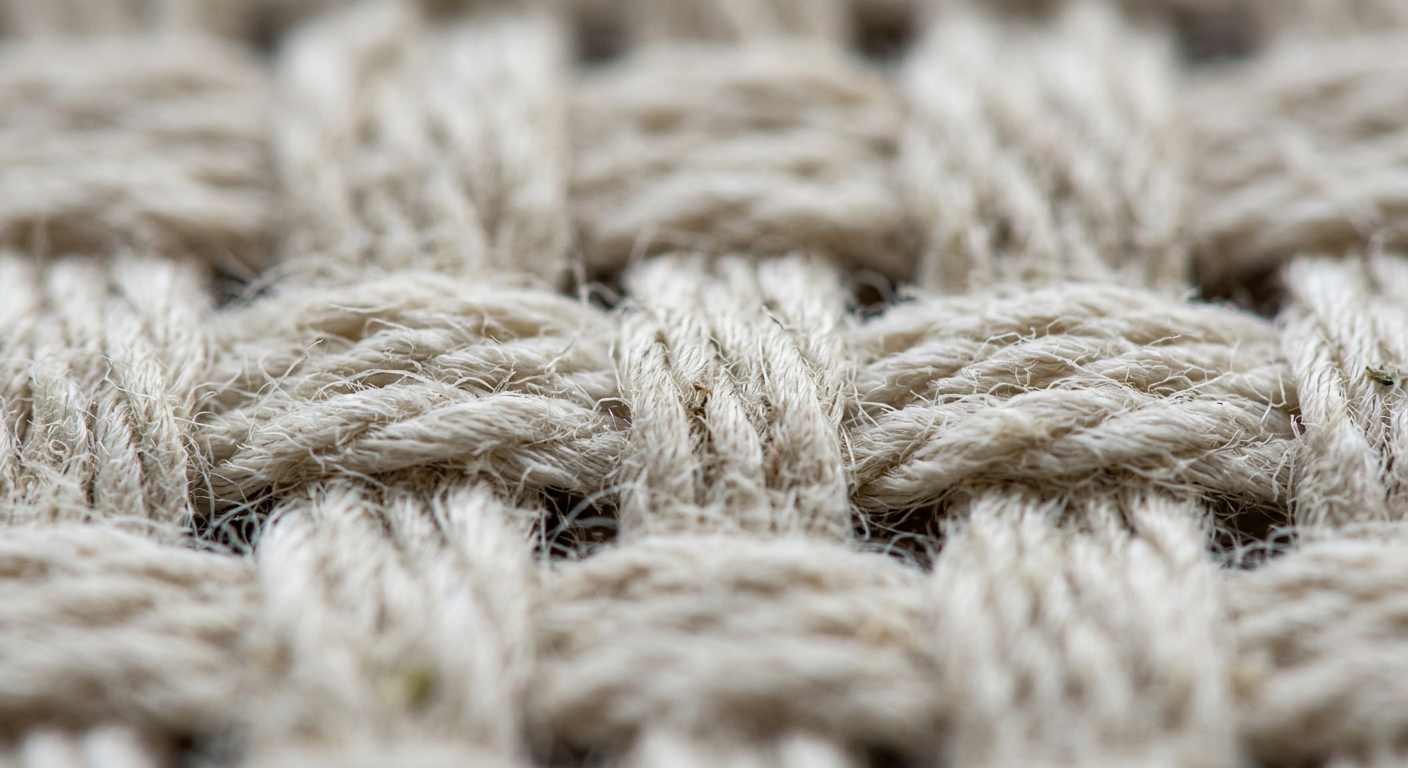
Cotton is predictable until it isn't. Plain-weave quilting cotton shrinks 3–5%. Cotton jersey and French terry push 5–10%. Flannel can hit 7% because the napping process adds loft that compresses when washed.
The trick is finishing. “Sanforized” or “pre-shrunk” cotton has been mechanically compacted at the mill — expect under 2% residual shrinkage. Raw or loom-state cotton? Plan for 8–10%.
Real-world example
A small apparel brand we worked with ordered 500 yards of mid-weight cotton twill for workwear pants. They assumed 3% shrinkage, cut accordingly, and lost nearly 40 yards worth of usable garments because the mill hadn't sanforized the batch. A $20 test wash would have caught it. They now pre-wash every new supplier's first roll without exception.
Wool: The Wild Card That Can Lose 20%
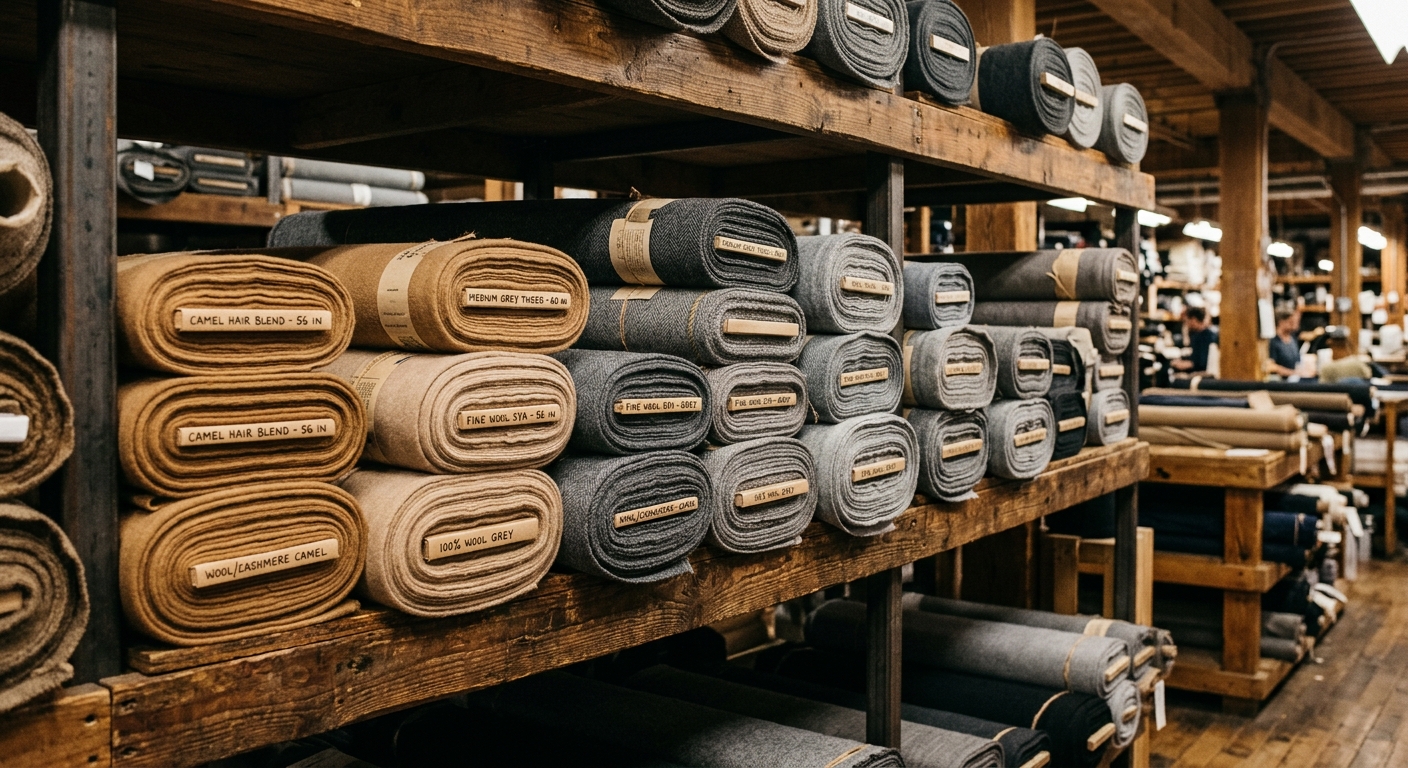
Wool shrinkage is a two-act problem. Act one: relaxation shrinkage, around 3–5% for worsted wovens. Act two: felting. Once wool scales interlock under heat and agitation, that shrinkage is permanent and severe — 15–20% is common, and we've seen 25%.
Superwash wool has been chemically treated to prevent felting, so it behaves more like cotton (3–5%). Untreated merino knits? Handle like nitroglycerin. Cold wash, no agitation, lay flat to dry.
For suiting and tailoring applications, most mills will have already London-shrunk or decatized the fabric, bringing residual shrinkage under 2%. Ask for the finishing spec sheet. If you're shopping for wool fabric by the yard, that single question separates the pros from the amateurs.
Synthetics: Mostly Stable, With Exceptions
Polyester, nylon, and acrylic are the low-shrinkage champions — typically under 2%. The fibers are heat-set during manufacturing at temperatures higher than any home dryer will reach, locking the molecular structure in place.
The exception: if end-use washing temperatures exceed the heat-setting temperature, you'll see sudden, dramatic shrinkage. This is rare in consumer garments but matters for industrial applications like commercial laundry.
Blends behave proportionally. A 65/35 poly-cotton usually shrinks 2–4% — the polyester anchors the cotton. This is exactly why blends dominate uniforms and institutional textiles. For a deeper dive, see our breakdown of cotton vs polyester vs blends for bulk buyers.
One synthetic to watch: nylon can shrink 2–4% if it wasn't properly heat-set, and cheap imports sometimes skip that step to save cost.
Rayon, Viscose, and Linen: The Surprise Shrinkers
Rayon is cotton's unpredictable cousin. Because it's a regenerated cellulose fiber with very little natural elasticity, it can shrink 5–10% on the first wash, and sometimes keep shrinking on subsequent washes. Always pre-wash rayon before cutting.
Linen shrinks 4–7% on the first wash, then stabilizes. The stiffness softens dramatically after washing three or four times, which is a feature, not a bug, for end users. But if you're cutting drapery or tablecloths to exact dimensions, that 7% matters. A 108-inch drape becomes a 100-inch drape, and suddenly your hem disappears.
Hemp behaves similarly to linen — 4–8% — with the same softening benefit. Both fibers reward patience: prewash, dry, then cut.
Weave and Weight: Why Two Cottons Shrink Differently
Fiber is only half the story. A loose, low-thread-count weave shrinks more than a tight, high-thread-count one because there's more room for yarns to contract. Knit structures shrink more than wovens for the same reason — loops have more give than interlaced yarns.
Weight matters too. Heavier fabrics (above 10 oz/yd²) generally shrink less because the sheer mass of fiber resists movement. Lightweight voiles and batistes can shrink dramatically despite being the same fiber. If you haven't already, brush up on reading GSM like a pro — weight and shrinkage are tightly linked.
Specialty weaves like ripstop and dobby have reinforcing yarn structures that resist shrinkage better than plain weaves of the same fiber. Jacquard behaves more like the dominant yarn in its structure.
How to Pre-Shrink Bulk Fabric Before Cutting
You have three options, ranked by cost and effectiveness:
- Wash and dry the entire roll. Most accurate, but labor-intensive and can distort delicate fabrics. Best for cottons, linens, and denims.
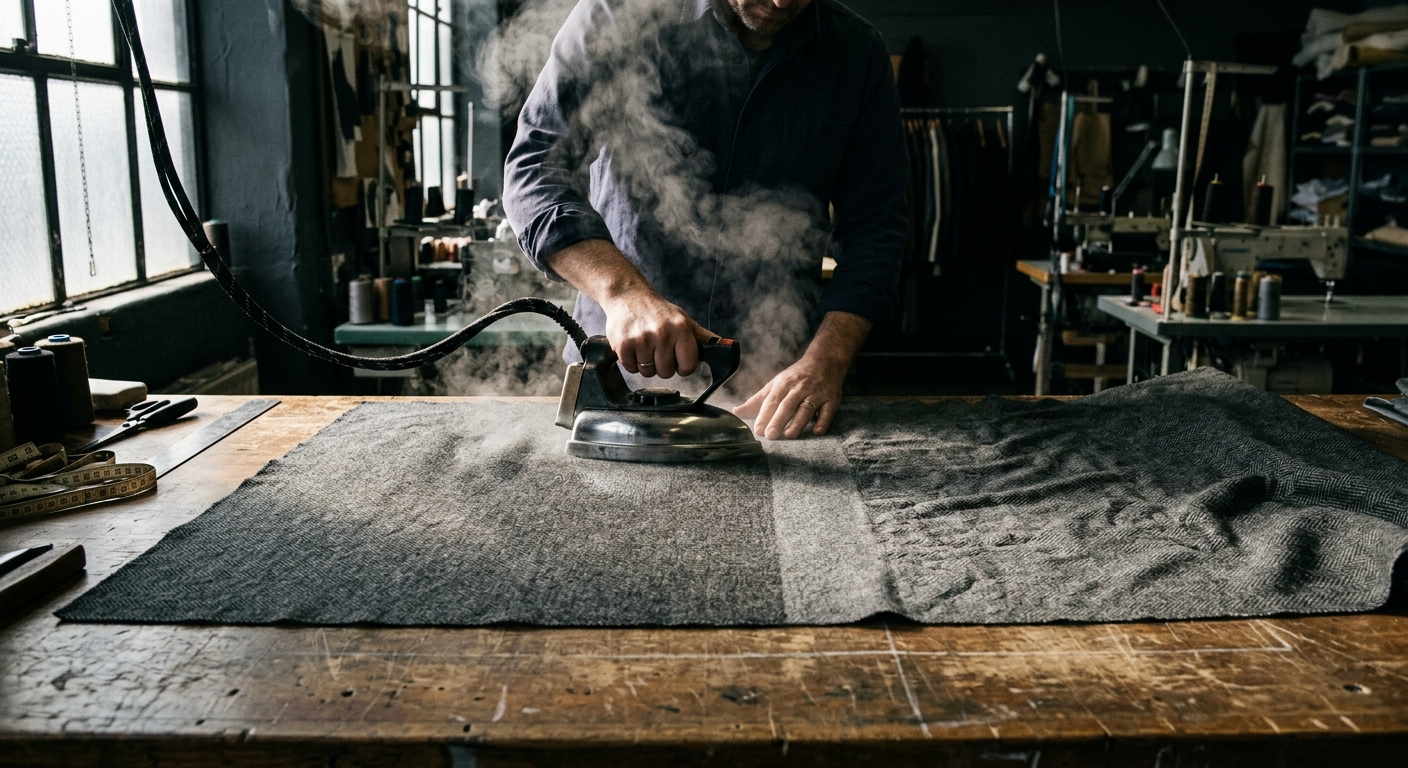
- Steam the fabric. Professional fabric steamers trigger most relaxation shrinkage without wetting the goods. Great for wool and silk.
- Order pre-shrunk goods. Pay a small premium upfront, save the labor later. Look for “sanforized,” “compacted,” “decatized,” or “London shrunk” on the spec sheet.
Real-world example
A cushion manufacturer making cushion covers was getting returns because the covers felt tight after the first wash. They switched to pre-shrunk cotton canvas at $0.40/yard more, and return rates on shrinkage complaints dropped to nearly zero within one quarter. The premium paid for itself in the first month.
Reading the Spec Sheet: What Numbers Actually Predict Shrinkage
Before you buy, look for these on the spec sheet:
- AATCC 135 or ISO 6330 results — dimensional change after home laundering, reported as a percentage in both warp and weft directions.
- Residual shrinkage — what's left after any pre-shrinking treatment. Under 3% is good. Under 1% is excellent.
- Finishing treatment — sanforized, compacted, heat-set, decatized. These words signal lower residual shrinkage.
If the spec sheet doesn't list shrinkage, assume worst-case and add 10%. Or walk away. Our guide to reading spec sheets without getting burned covers the other seven numbers that matter.
The Bottom Line: Order Smart, Cut Confident
Three rules will keep you out of trouble. First, always add a shrinkage margin to your yardage calculation — use the cheat sheet above as a starting point. Second, pre-wash a 1-yard sample from every new roll before cutting the rest; it's the cheapest insurance in the industry. Third, demand finishing data on spec sheets and walk away from suppliers who can't provide it.
At Global Fabric Wholesale, we publish shrinkage and finishing data on our bolts because we'd rather lose a sale than lose a customer to a bad cut. Browse our wool, cambric, and bag fabric collections — or reach out for a sample before you commit to a full roll. Measure twice, wash once, cut with confidence.





 Login with Google