


Upholstery Fabric Selection Guide: Matching Durability Ratings to Real-World Use Cases
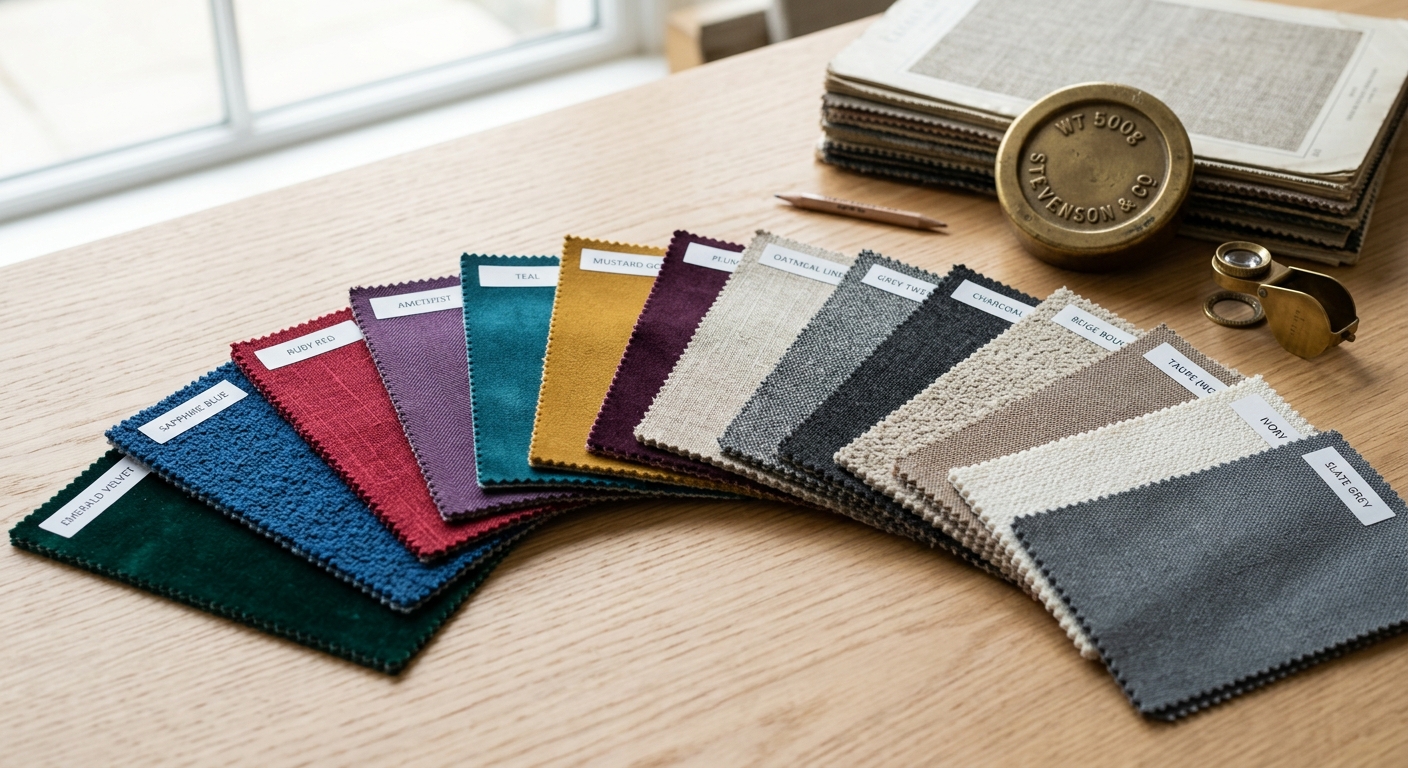
The single most important number on an upholstery fabric spec sheet is its abrasion rating — and most buyers either ignore it or misinterpret it. A fabric rated at 15,000 Wyzenbeek double rubs is perfectly fine for a bedroom accent chair but will shred within two years on a restaurant banquette. Match the durability rating to the actual use case, and you eliminate the most common (and most expensive) upholstery failure. This guide gives you the specific numbers, fiber recommendations, and real-world benchmarks to make that match every time.
Wyzenbeek vs Martindale: Two Tests, Two Numbers, One Goal
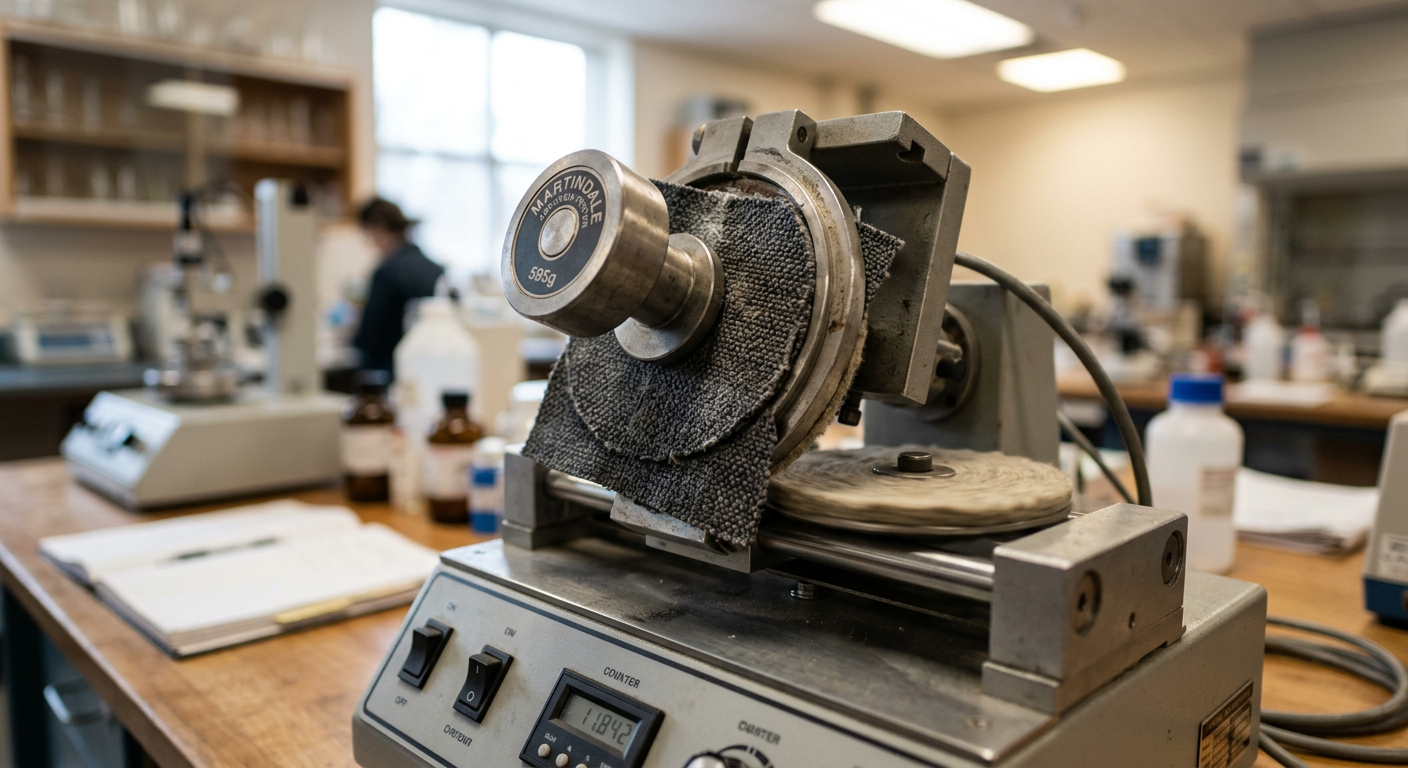
Most of the confusion around upholstery durability starts here: there are two major abrasion testing standards, and their numbers are not interchangeable. The Wyzenbeek test (ASTM D4157) is dominant in North America, while the Martindale test (ISO 12947) is the European standard. Both measure how many cycles a fabric can endure before showing noticeable wear — but they use completely different mechanisms.
How the Wyzenbeek Test Works
A piece of cotton duck cloth (or wire screen for heavy-duty tests) is rubbed back and forth across the test fabric in a straight line. Each back-and-forth motion counts as one “double rub.” The test runs until two yarn breaks appear or noticeable wear is visible. A fabric rated at 30,000 double rubs survived 30,000 of these back-and-forth cycles.
How the Martindale Test Works
Instead of a straight line, the Martindale method uses a figure-eight motion with a piece of worsted wool. This multi-directional abrasion more closely mimics how people actually sit, shift, and fidget. Results are reported in cycles, and because the motion pattern differs, Martindale numbers run roughly 2–3× higher than Wyzenbeek numbers for equivalent durability. A fabric at 40,000 Martindale cycles is roughly comparable to 15,000–20,000 Wyzenbeek double rubs.
The takeaway? Always check which test standard is being cited. A supplier advertising “50,000 abrasion rating” without specifying the method is giving you half the information. If you need to compare fabrics tested under different standards, use the rough 2:1 to 3:1 Martindale-to-Wyzenbeek conversion as a starting point — but never treat it as exact.
The Five Durability Tiers — And What Each One Actually Means
The industry loosely groups upholstery fabrics into five durability tiers. Knowing which tier you need before you start browsing saves enormous time and prevents the classic mistake of falling in love with a fabric that cannot survive its intended environment.
Tier 1: Light Residential (3,000–9,000 Double Rubs)
Think decorative throw pillows, rarely-used accent chairs in a formal living room, or headboards. These fabrics prioritize aesthetics — delicate weaves, natural silk, lightweight linen. They look stunning. They also cannot handle daily sitting.
Tier 2: Medium Residential (9,000–15,000 Double Rubs)
The sweet spot for adult-only living rooms, guest bedrooms, and dining chairs is used a few times a week. Cotton-polyester blends and mid-weight chenilles live here. Adequate for moderate daily use, but not for households with young children or pets.
Tier 3: Heavy Residential (15,000–30,000 Double Rubs)
This is the minimum you should specify for any sofa or chair that gets daily use. Family rooms, kids’ playrooms, kitchen banquettes — all Tier 3 territory. Olefin, nylon, and solution-dyed acrylics dominate this range because they combine abrasion resistance with stain resistance. If you are buying cushion fabric by the yard for residential seat cushions, this tier should be your baseline.
Tier 4: Light Commercial (30,000–50,000 Double Rubs)
Office reception areas, boutique hotel lobbies, restaurant dining rooms. The fabric must handle hundreds of different users per week, many of whom are wearing belts, carrying bags, or dragging keys across the surface. Polyester and nylon blends with tight weaves are workhorses here.
Tier 5: Heavy Commercial (50,000+ Double Rubs)
Airports, hospital waiting rooms, public transit, movie theaters. These environments demand the highest abrasion resistance plus cleanability. Vinyl, coated fabrics, and ballistic nylon are standard. Aesthetics still matter — nobody wants an ugly waiting room — but performance comes first.
Why Double Rubs Alone Don't Tell the Full Story
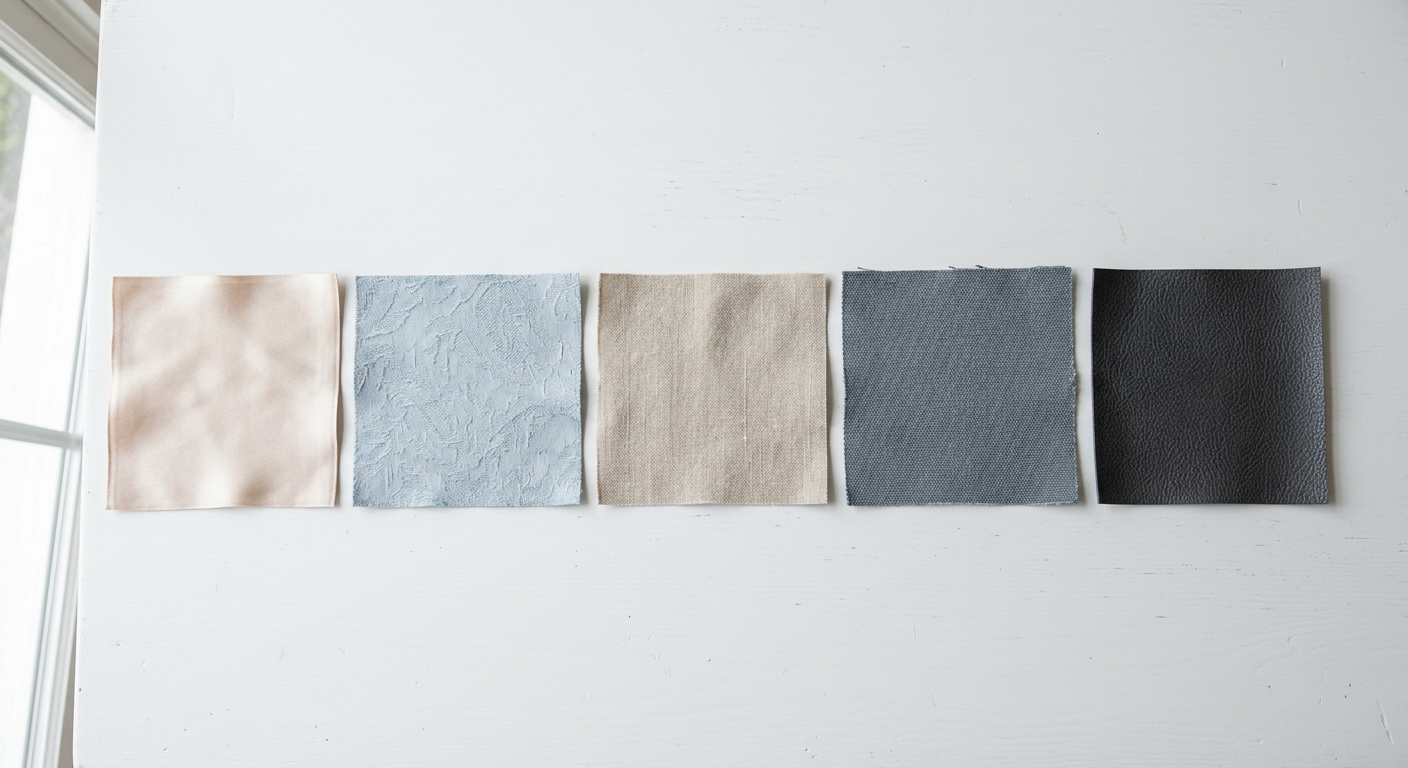
Here is where many buyers get tripped up: a high abrasion rating does not automatically mean a fabric is “good.” Abrasion resistance is one dimension of durability. A fabric can survive 100,000 double rubs and still fail spectacularly in the field if it pills, fades in sunlight, or cannot be cleaned.
Pilling Resistance
Pilling — those tiny fiber balls on the surface — is technically separate from abrasion wear. Some fabrics with excellent double-rub numbers pill aggressively after just a few months. Polyester blends are particularly prone. Look for a pilling rating of 4 or higher on the ASTM D3511 scale (1 = severe pilling, 5 = no pilling).
Lightfastness
Sunlight degrades dyes. If the upholstered piece sits near a window, you need a lightfastness rating of at least Class 4 on the AATCC 16 scale (Class 5 is best). Solution-dyed fibers — where color is added during the fiber extrusion process rather than applied afterward — offer the best UV resistance.
Cleanability Codes
Every upholstery fabric should carry a cleaning code: W (water-based cleaner), S (solvent-based), WS (either), or X (vacuum or brush only). Commercial applications almost always require W or WS. Specifying an S-code fabric for a restaurant booth is asking for trouble when someone spills marinara sauce.
The smart approach: treat double rubs as a necessary-but-not-sufficient filter. Once a fabric passes the abrasion threshold for your use case, evaluate pilling, lightfastness, and cleanability before making a final decision.
Fiber Type Determines Performance More Than You Think
The weave structure and finish matter, but the underlying fiber is the single biggest predictor of how an upholstery fabric will perform over the years of use. Here is a no-nonsense ranking for durability applications.
Nylon
The toughest common upholstery fiber. Exceptional abrasion resistance, good elasticity (it bounces back after compression), and reasonable stain resistance when treated. Downside: it can fade in direct sunlight and tends to be more expensive.
Polyester
Excellent abrasion resistance at a lower price point than nylon. Resists stretching and shrinking. Solution-dyed polyester adds outstanding lightfastness. The main weakness is pilling in lower-quality constructions — always check the pilling rating.
Olefin (Polypropylene)
Inherently stain-resistant because it does not absorb moisture. Great for outdoor and indoor/outdoor upholstery. Good abrasion numbers. However, olefin has a lower melting point and can be damaged by friction heat (think someone sliding quickly across a seat).
Acrylic (Solution-Dyed)
The go-to fiber for outdoor cushions and any application with heavy sun exposure. Sunbrella-type fabrics are solution-dyed acrylics. Moderate abrasion resistance — typically Tier 2 to Tier 3 — but exceptional UV and mildew resistance.
Cotton and Linen
Beautiful hand feel, poor durability. Pure cotton and linen upholstery fabrics rarely exceed 15,000 double rubs and are prone to staining. They work for light-use residential pieces. For anything heavier, look for cotton-poly or cotton-nylon blends that push the abrasion rating into Tier 3 territory.
Vinyl and Coated Fabrics
For healthcare, hospitality, and public transit, coated fabrics and vinyl offer the highest abrasion resistance plus fluid barrier protection. Modern vinyls have come a long way from the sticky, cracking materials of decades past — high-quality polyurethane-coated fabrics can mimic leather convincingly while exceeding 100,000 double rubs.
Real-World Case: A Boutique Hotel Gets It Right (and Wrong)
A small boutique hotel chain in the southeastern U.S. reupholstered 120 guest room headboards and 40 lobby chairs in the same order. The designer chose a gorgeous cotton-linen blend — soft, textured, and photographed beautifully for the website. It rated 12,000 Wyzenbeek double rubs.
For the headboards? Perfect choice. Guests lean against them briefly, the fabric rarely gets abraded, and the aesthetic payoff was exactly what the brand wanted. Two years later, those headboards still look great.
For the lobby chairs? Disaster. Within eight months, the armrests showed visible wear. By month fourteen, two chairs needed complete reupholstering. The hotel spent roughly $6,400 replacing fabric that should have lasted five to eight years.
The Fix
On the second round, the hotel specified a solution-dyed polyester with a tight twill weave rated at 45,000 double rubs and a W cleaning code. The color palette was nearly identical to the original cotton-linen. Three years in, those lobby chairs still look sharp. The cost per yard was actually lower than the cotton-linen blend.
The lesson is simple: the same property can (and should) use different durability tiers for different touchpoints. Headboards and decorative pillows can be Tier 1 or 2. Anything people sit on in a commercial setting needs a Tier 4 minimum.
How Fabric Weight and Weave Interact with Durability
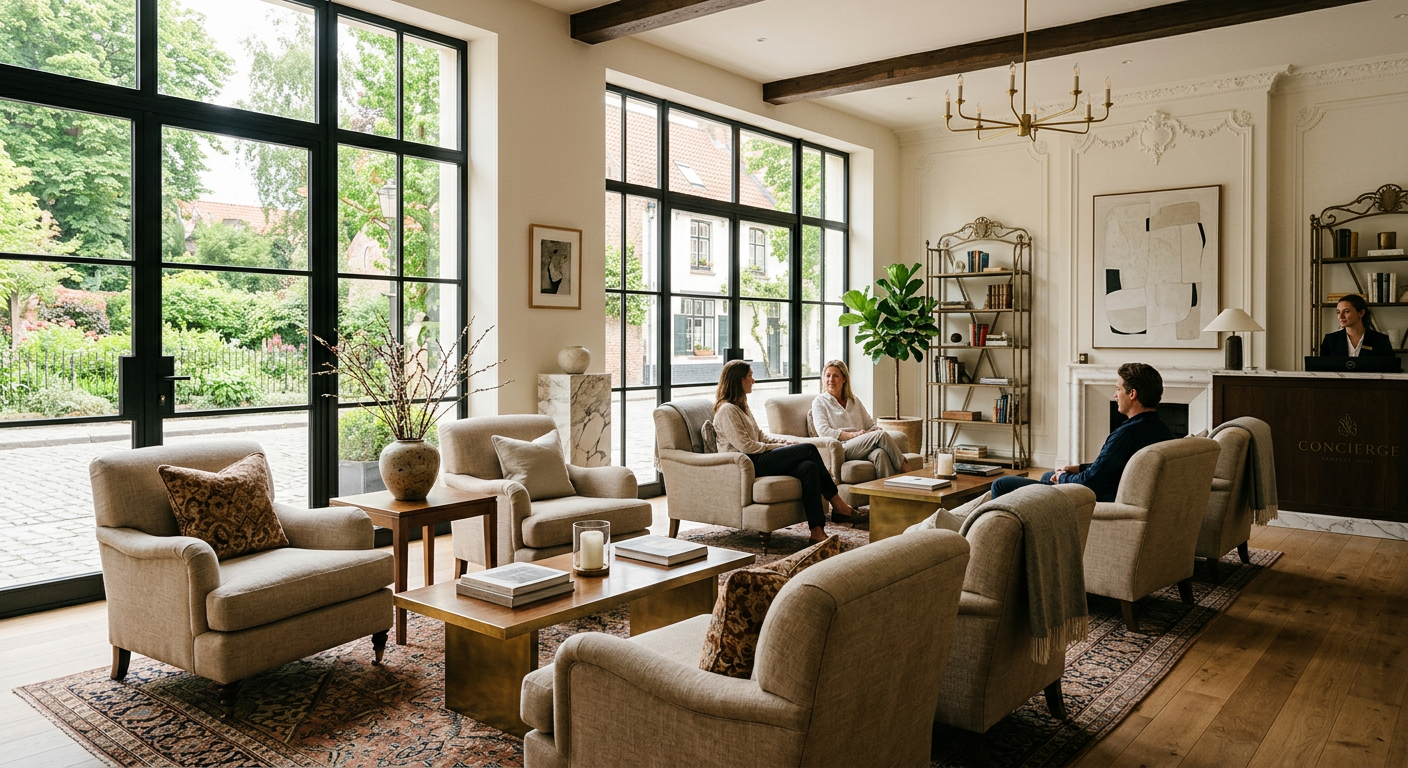
A heavier fabric is not automatically more durable — but weight and weave structure do influence performance in ways that the abrasion number alone cannot capture. Understanding how to read GSM (grams per square meter) gives you an additional data point when evaluating upholstery textiles.
Tight Weaves Outperform Loose Weaves
At the same fiber composition and weight, a tightly woven fabric will almost always score higher on abrasion tests than a loosely woven one. The logic is straightforward: tighter interlocking yarns have less room to shift, snag, or break under friction. Twill and satin weaves generally outperform plain weaves of the same fiber at the same GSM.
The GSM Sweet Spot for Upholstery
Most upholstery fabrics fall between 200 and 500 GSM. Below 200 GSM, the fabric is usually too lightweight for any structural upholstery use — think drapery or decorative applications only. Above 500 GSM, you are in heavy-duty territory: marine canvas, industrial seating, automotive headliners. For residential sofas and commercial seating, 280–400 GSM is the productive range where you get good drape over cushion forms without excessive bulk.
Backing and Lamination
Some upholstery fabrics include a woven or non-woven backing that adds dimensional stability and can boost abrasion performance by 10–20%. Laminated backings (where a thin polymer layer is bonded to the reverse) add moisture resistance — useful for healthcare and food-service environments. If your application involves potential fluid exposure, ask your supplier whether the fabric includes a moisture barrier backing or whether you need to add one during upholstering.
Specifying Fabric for Specific Commercial Environments
Generic "commercial grade” is not a specification — it is marketing language. Different commercial environments impose radically different stresses on upholstery fabric, and the smart buyer specifies accordingly.
Healthcare
Minimum 100,000 double rubs. Must withstand hospital-grade disinfectants (bleach solutions, quaternary ammonium compounds) without degrading. Fluid barrier mandatory. Vinyl and polyurethane-coated fabrics dominate. Seam welding (rather than sewing) is preferred to eliminate fluid ingress points. Look for fabrics that comply with Cal TB 117-2013 flammability standards at a minimum — many healthcare facilities require Cal TB 133.
Hospitality (Hotels and Restaurants)
Minimum 30,000 double rubs for dining chairs, 50,000+ for bar stools and high-traffic lounge seating. W or WS cleaning code is non-negotiable. Solution-dyed fibers are strongly preferred because restaurant lighting, sunlight, and constant cleaning all accelerate dye degradation. Cushion fabrics for booth seating should also have anti-microbial treatment.
Corporate Office
Minimum 30,000 double rubs for task chairs, 15,000–25,000 for conference room seating. Pilling resistance matters enormously here because office chairs endure repetitive micro-abrasion from clothing. Specify a pilling rating of 4+ and a tight weave. Wool blends work well in executive settings where aesthetics carry weight.
Education
Minimum 50,000 double rubs. Students are hard on furniture — backpacks with zippers, pens, keys and constant shifting. Vinyl or coated polyester is the practical choice for K-12. Higher education settings can use high-performance woven polyester if the aesthetic matters for recruitment tours.

The Cost-Per-Year Calculation Most Buyers Skip
Here is the math that changes minds. A Tier 2 cotton blend might cost $8 per yard. A Tier 4 solution-dyed polyester might cost $14 per yard. The instinct is to save money on the cheaper fabric. But when you factor in expected lifespan, the economics flip.
Running the Numbers
Assume a restaurant booth requires 6 yards of fabric and costs $200 in labor to reupholster.
- Option A (Tier 2, $8/yd): Material cost = $48. Total with labor = $248. Expected life in a restaurant = 18 months. Cost per year = $165.
- Option B (Tier 4, $14/yd): Material cost = $84. Total with labor = $284. Expected life in a restaurant = 6 years. Cost per year = $47.
Option B costs 71% less per year. And that does not account for the revenue lost when a booth is out of service during reupholstering, or the brand damage from visibly worn seating.
For wholesale buyers supplying upholsterers and furniture manufacturers, presenting this cost-per-year calculation to your downstream customers is a powerful sales tool. It justifies the higher per-yard price and builds trust because you are genuinely helping them make a better decision.
Ordering Upholstery Fabric in Bulk: Practical Considerations
Once you have identified the right durability tier and fiber type, the ordering process introduces its own set of decisions that affect the final result.
Dye Lot Consistency
Upholstery projects are unforgiving when it comes to color variation. A slight dye lot shift between two bolts is invisible on a garment but glaringly obvious when two adjacent chairs do not match. Always order enough yardage from a single dye lot to complete the entire project, plus 10–15% overage for pattern matching and cutting waste. Knowing how to calculate exactly how much fabric you need prevents both shortages and excessive overstock.
Minimum Order Quantities and Lead Times
High-performance commercial fabrics often have higher MOQs than decorative residential fabrics — sometimes 50+ yards per colorway. If you are a small upholstery shop, working with a wholesale supplier that stocks commercial-grade fabrics in smaller cuts can be a significant advantage.
Requesting Test Data
Never accept a verbal “it is commercial grade” claim. Request the actual test report showing the Wyzenbeek or Martindale number, the pilling rating, the lightfastness class, and the flammability certification. Reputable suppliers provide this data willingly. If a supplier cannot or will not share test data, that is a red flag worth heeding.
Putting It All Together: Your Specification Checklist
Before placing your next upholstery fabric order, run through this checklist. It takes five minutes and can save thousands in premature replacement costs.
- Define the use case: Who will use the furniture, how often, and in what environment?
- Set the abrasion floor: Use the five-tier system above. Never go below the minimum for your application.
- Choose the right fiber: Match fiber properties (stain resistance, UV resistance, cleanability) to the specific stresses of the environment.
- Check secondary ratings: Pilling (4+), lightfastness (Class 4+ if near windows), cleaning code (W or WS for commercial).
- Verify flammability compliance: Cal TB 117-2013 is the baseline for most U.S. applications. Healthcare and public assembly may require Cal TB 133 or NFPA 260.
- Calculate yardage accurately: Include pattern repeat allowance and 10–15% overage. Order from a single dye lot.
- Request test documentation: Get the actual numbers, not marketing claims.
Upholstery fabric selection is not glamorous work, but it is where projects succeed or fail. The fabric is the interface between the furniture and the human — it takes every ounce of daily abuse. Getting the spec right means your customers stay happy, your reputation grows, and your reupholstering callbacks drop to near zero.
At Global Fabric Wholesale, we stock a wide range of upholstery-weight fabrics across multiple durability tiers — from decorative velvet fabric for residential accent pieces to heavy-duty coated textiles for commercial seating. Browse our collections, request test data on any fabric, and let us help you match the right material to the right application.





 Login with Google