


Fleece vs Polar Fleece: Are They Really Different?

Fleece and polar fleece are related but not interchangeable — polar fleece is a specific, denser category within the broader fleece family, engineered for higher warmth and a thicker pile. Standard fleece covers a wide range of weights and constructions, while polar fleece is optimised for cold-weather performance. Knowing the difference helps you pick the right fabric the first time, whether you're sewing a child's hoodie or a serious winter layer.
What Is Fleece Fabric?
Fleece fabric is a knitted textile with a brushed or napped surface that traps air and provides insulation. It is most commonly made from polyester, though cotton-blend and recycled-fibre versions exist. The brushing process raises the fibres on one or both sides of the fabric, creating that characteristic soft, fuzzy texture.
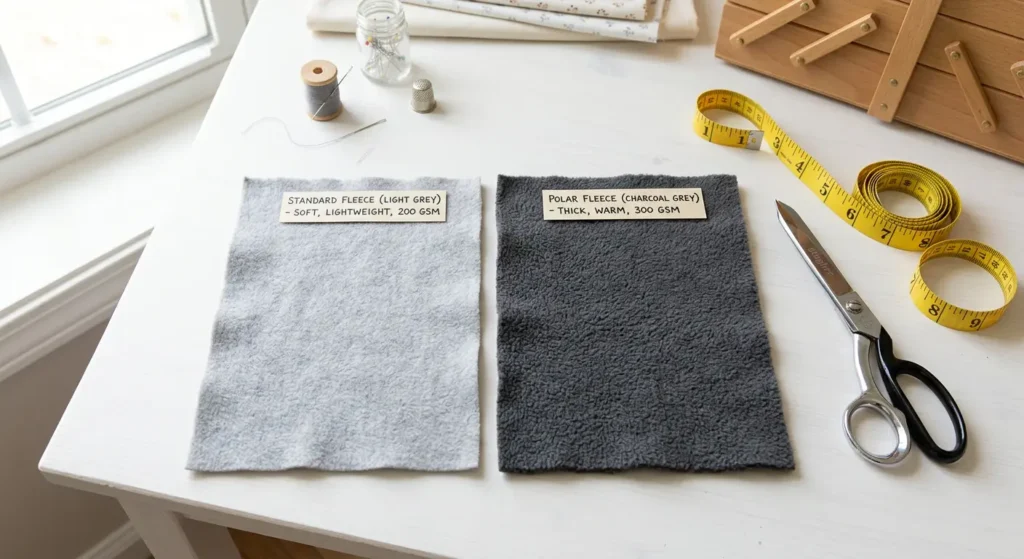
Fleece comes in a broad spectrum of weights — from a light 100 gsm microfleece used in base layers and baby garments, to a mid-weight 200 gsm fabric suited to sweatshirts and light jackets. Because the term 'fleece' describes a construction method rather than a single product, it acts as an umbrella category that includes several distinct fabric types.
Key properties of fleece in general:
- Lightweight and breathable at lower weights
- Quick-drying compared to cotton alternatives
- Stretchy enough to sew without specialist equipment
- Available in solid colours, prints, and textured finishes
For a deeper look at the full range, the Fleece Fabric Guide 2026 covers uses, care, and sewing tips in detail.
What Makes Polar Fleece Different?
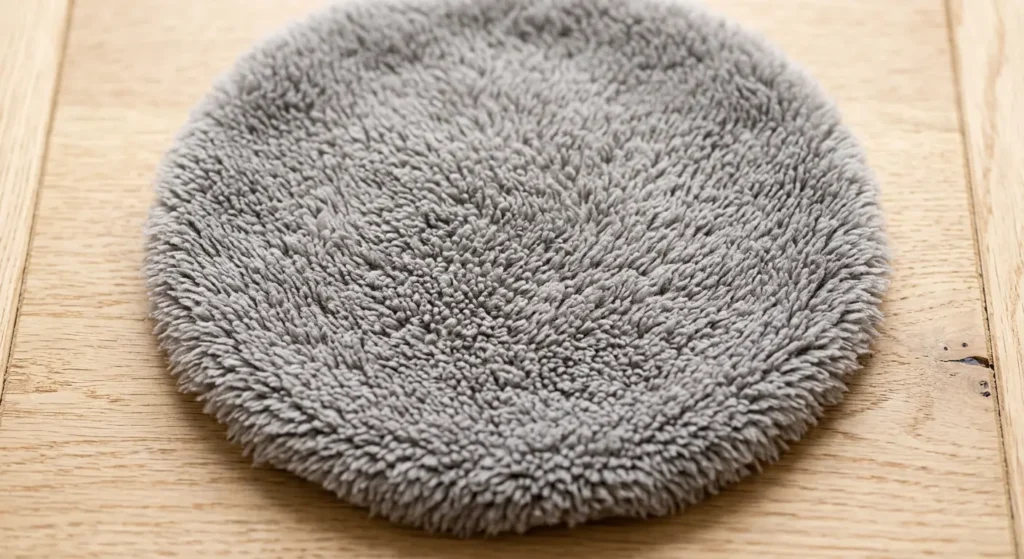
Polar fleece is a heavyweight, high-pile variant of polyester fleece developed specifically for thermal insulation. The name references its original design intent — warmth in extreme or cold outdoor conditions. Compared to standard fleece, polar fleece has a noticeably thicker, denser pile on both faces of the fabric, giving it a plush, almost blanket-like hand feel.
Polar fleece typically weighs between 250 gsm and 400 gsm, making it substantially heavier than everyday fleece. It also tends to have better moisture-wicking properties and dries faster than wool, which made it a popular synthetic alternative to natural insulating fibres when it was first introduced in the late 1970s.
Anti-Pill Polar Fleece
Many polar fleece fabrics are sold with an anti-pill finish — a treatment that reduces the surface fuzz balls that form with repeated washing and wear. This finish is worth prioritising for garments that will see heavy use, such as children's outerwear or workwear linings. Standard fleece without this treatment tends to pill faster under friction.
Side-by-Side: Fleece vs Polar Fleece
The table below summarises the most important differences to consider when choosing between the two fabric types for your project.
| Criteria | Fleece | Polar Fleece |
|---|---|---|
| Base fiber | Polyester or blends | 100% polyester |
| Weight | Lightweight to mid-weight | Mid-weight to heavyweight |
| Warmth | Moderate | High |
| Softness | Soft | Very soft, plush pile |
| Moisture resistance | Low to moderate | Moderate — wicks, dries fast |
| Best use cases | Loungewear, light layers | Outerwear, blankets, cold-weather gear |
| Typical price point | Lower | Slightly higher |
| Pill resistance | Moderate | Better with anti-pill finish |
The core takeaway: if warmth and durability are the priority, polar fleece wins. If you need a lighter, more affordable fabric for indoor or transitional-season projects, standard fleece is the smarter choice.
Choosing the Right One for Your Project
The decision comes down to three factors: intended warmth level, garment weight tolerance, and end-use environment.
Use Standard Fleece For:
- Sweatshirts, hoodies, and casual joggers
- Baby and toddler garments where lightweight softness matters
- Indoor throws and decorative cushion covers
- Layering pieces worn under a shell jacket
Use Polar Fleece For:
- Standalone winter jackets and gilets
- Blankets and sleeping bag liners
- Pet beds and pet coats
- Lining for outerwear and boots
For example, a small independent children's wear maker producing a winter range might use a 150 gsm standard fleece for a zip-up hoodie — keeping the garment light enough for indoor wear — while choosing anti-pill polar fleece at 300 gsm for a matching outdoor jacket that needs to hold up to playground conditions and repeated washing.
If you're still weighing up fleece against other cosy knit options, the comparison post French Terry vs Fleece: Which Fabric Should You Choose? is a useful next read. You can also explore the full range of stretchy fabrics if your project needs additional give.
Sewing Tips That Apply to Both Fabrics
Fleece and polar fleece share enough construction similarities that most sewing techniques apply to both — with a few weight-related adjustments for polar fleece.
- No hemming required: Both fabrics do not fray, so raw edges can be left unfinished or folded for a clean look without serging.
- Use a ballpoint or stretch needle: A 90/14 ballpoint needle prevents skipped stitches on the knit structure.
- Lengthen your stitch: A stitch length of 3.0–3.5 mm works well; avoid short stitches that can perforate and weaken the fabric.
- Avoid steam on polar fleece: High heat can flatten the pile permanently. Press with a cool iron on the reverse side only, or use a pressing cloth.
- Cut in a single layer: Polar fleece in particular can shift when layered; cutting one piece at a time gives cleaner results.
For a full walkthrough of techniques, the guide on how to sew with fleece fabric covers cutting, stitching, and finishing in detail for beginners.
Ready to find the right weight for your next project? Browse the full selection of fleece fabrics and polar fleece fabrics at Global Fabric Wholesale — no minimum order, with worldwide shipping available.



 Login with Google