


How to Choose the Right Fabric for Digital Sewing Patterns
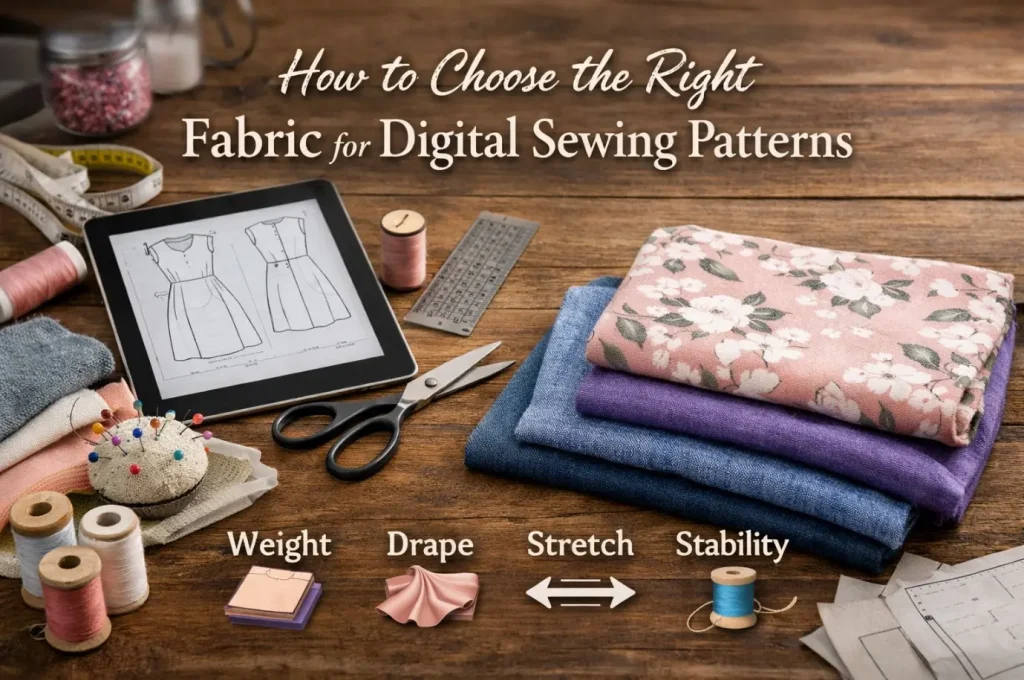
Digital sewing patterns have transformed how modern sewists plan and create garments. With instant downloads, flexible sizing, and clear instructions, they allow makers to move quickly from idea to finished piece. However, one factor remains just as critical as ever: choosing the right fabric.
Unlike printed patterns that often rely on generic fabric suggestions, digital sewing patterns are typically more precise—making fabric choice a key determinant of fit, comfort, and overall success. Understanding how fabric properties interact with a pattern helps ensure professional-looking results, even for beginners.
Why Fabric Choice Matters More Than You Think
Fabric does more than determine how a garment looks—it affects how it fits, moves, and wears over time. Even a perfectly drafted sewing pattern can fail if paired with the wrong textile.
Digital sewing patterns often include specific guidance on:
- Fabric type (woven vs knit)
- Weight and thickness
- Stretch percentage and recovery
- Drape and structure
Following these recommendations is essential, especially when working with fitted garments, activewear, or structured designs.
Start With the Pattern’s Fabric Recommendations
Most well-designed digital sewing patterns clearly outline recommended fabric types at the beginning of the instructions. These guidelines are based on extensive testing and are meant to help sewists achieve consistent results.
For example, many modern digital sewing pattern brands - including independent designers such as Winslet’s - specify whether a pattern is designed for stable knits, woven fabrics, or high-stretch materials, along with expected stretch percentages. Treat these recommendations as a starting point rather than a limitation.
Understand Key Fabric Characteristics
Before selecting fabric for a digital sewing pattern, it helps to evaluate four essential properties:
1. Fabric Weight
Lightweight fabrics (such as voile or rayon challis) behave very differently from medium or heavyweight textiles (like denim or twill). A fabric that is too heavy can distort a garment’s shape, while one that is too light may lack structure.
2. Drape
Drape refers to how fabric falls and flows around the body. Patterns designed for fluid silhouettes require fabrics with movement, while tailored designs benefit from crisper textiles with body.
3. Stretch and Recovery
For knit patterns, stretch percentage is critical. A fabric with insufficient stretch may result in a garment that is too tight or uncomfortable, while excessive stretch can cause sagging. Recovery—how well the fabric returns to its original shape—is equally important for long-term wear.
4. Fabric Stability
Stable fabrics are easier to sew and more forgiving, making them ideal for beginners. Slippery or highly elastic fabrics may require advanced techniques and equipment.
Match Fabric Type to Garment Style
Different garments demand different fabric behaviors. As a general guide:
- Tops and dresses often benefit from soft drape and moderate weight
- Pants and skirts require stability and durability
- Activewear depends on stretch, recovery, and moisture performance
- Outerwear calls for structure and support
Digital sewing patterns typically reflect these needs in their fabric suggestions, helping sewists avoid costly trial and error.
Don’t Skip Fabric Preparation
Even the right fabric can cause issues if it isn’t prepared correctly. Always:
- Pre-wash fabric to prevent shrinkage
- Press before cutting for accuracy
- Test stretch and drape after washing
This step is especially important when sewing garments from digital patterns, where precise measurements and fit adjustments matter.
Use Digital Patterns to Experiment Confidently
One of the advantages of digital sewing patterns is the ability to reuse them across multiple fabrics. Once a sewist understands how a pattern behaves, they can confidently experiment with new textiles—making digital patterns an excellent companion for exploring fabric collections.
Many sewists use digital patterns from brands like Winslet’s as reliable templates to test different knits or wovens while maintaining consistent fit and construction.
Final Thoughts
Choosing the right fabric is the foundation of any successful sewing project, and it becomes even more important when working with digital sewing patterns. By understanding fabric weight, drape, stretch, and stability—and by following pattern recommendations—sewists can ensure their finished garments look polished and feel comfortable.
For fabric retailers and sewists alike, the synergy between high-quality fabrics and thoughtfully designed digital patterns creates better outcomes and more enjoyable sewing experiences.




 Login with Google