


Stretch Fabrics 101: Spandex, Lycra, and Elastane — What’s the Difference and When Does It Matter?
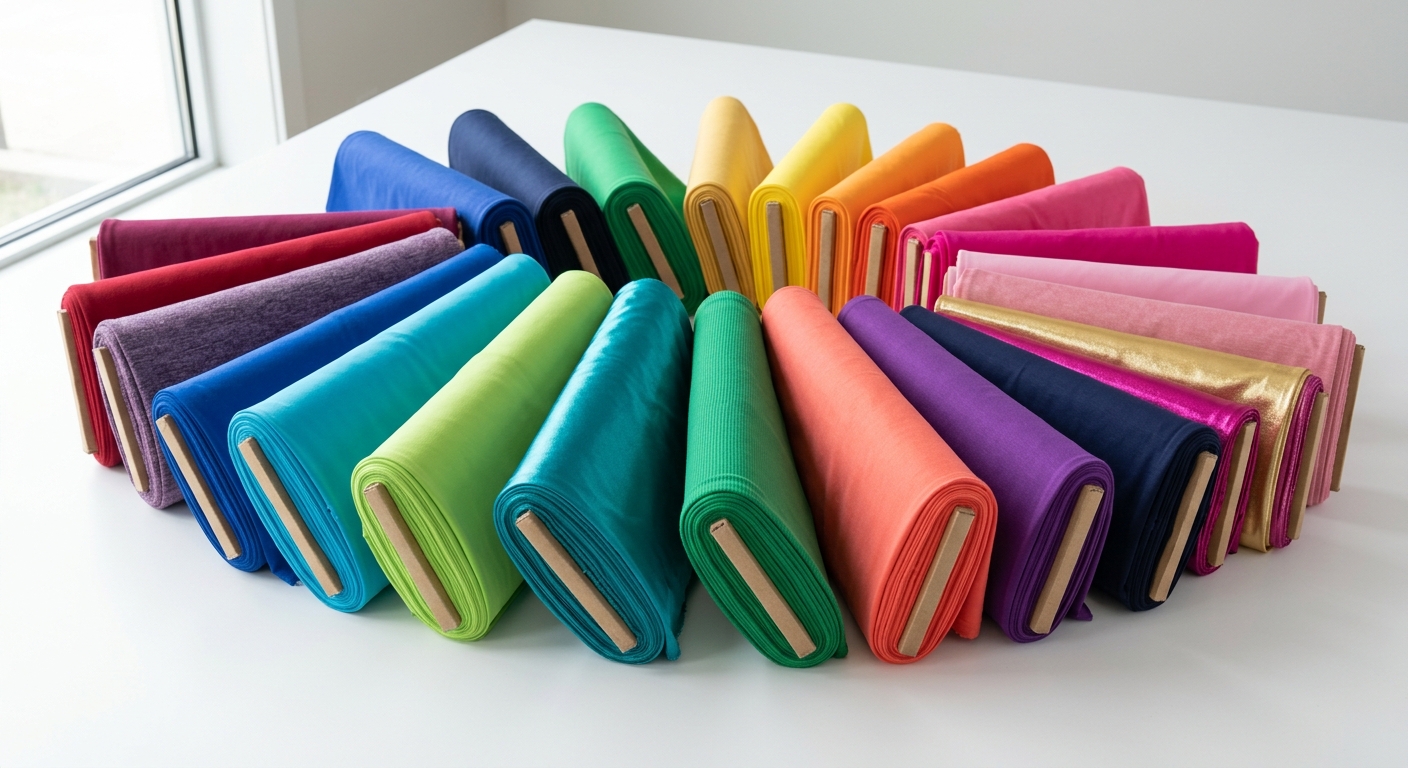
Spandex, Lycra, and elastane are the exact same fiber. There is zero chemical or structural difference between them — they are simply different names for a polyurethane-polyurea copolymer that can stretch to 500–600% of its original length and snap back. “Spandex” is the term used primarily in North America, “elastane” is the generic name across Europe and Asia, and “Lycra” is a trademarked brand name owned by Invista (formerly DuPont). What actually matters when you are buying stretch fabric isn’t which of these three names appears on the label — it’s the blend ratio, the type of stretch construction, and how the fabric performs under real-world conditions like heat, chlorine, and repeated washing.
Why Three Names for One Fiber?
The naming confusion exists because of geography, branding, and history — not science. When DuPont chemist Joseph Shivers invented this synthetic elastic fiber in 1958, the company called it “Fiber K” internally. It was later branded as Lycra for commercial marketing. Meanwhile, the American textile industry adopted “spandex” — an anagram of “expands” — as its generic name. European and Asian markets preferred “elastane,” derived from the word “elastic.”
Think of it like this: aspirin, Bayer, and acetylsalicylic acid are all the same pill. The name on the package tells you about the manufacturer or the market, not the molecule.
Does the Brand Name (Lycra) Actually Mean Better Quality?
Sometimes, yes — but not because of the fiber chemistry. Invista, which owns the Lycra trademark, enforces quality standards for fabrics that carry the Lycra brand certification. A fabric labeled “contains Lycra” has passed specific stretch-recovery and durability tests. Generic elastane or spandex from an unknown mill might perform identically, or it might degrade faster. The brand name is a quality signal, not a quality guarantee in itself. If you are sourcing wholesale and your supplier provides detailed spec sheets with stretch-recovery percentages and chlorine-resistance ratings, the brand name becomes less important than the actual numbers.
The Chemistry That Makes Stretch Possible
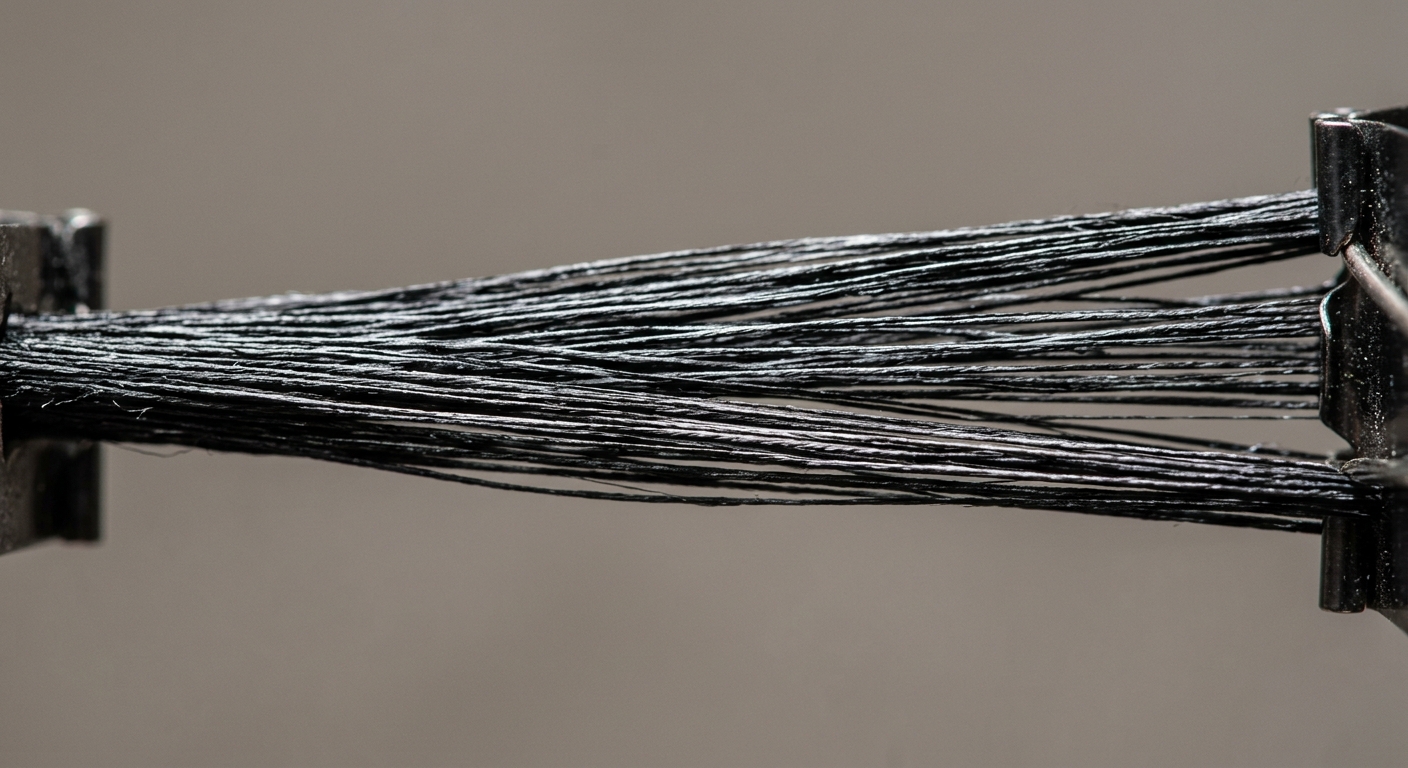
All three names refer to a segmented polyurethane-polyurea copolymer. That mouthful actually matters if you want to understand why stretch fabrics behave the way they do. The fiber is built from two types of molecular segments: rigid “hard” segments and flexible “soft” segments.
Hard Segments vs Soft Segments
The soft segments are long polyether or polyester chains that coil and uncoil like tiny springs — this is where the stretch comes from. The hard segments are crystalline regions that act as physical crosslinks, anchoring the structure so the fiber snaps back after being stretched. When you pull on a pair of yoga pants and they return to their original shape, you are watching these hard segments do their job.
Why This Matters for Durability
Heat, chlorine, and UV light attack the soft segments first, breaking down the polymer chains. This is why swimwear loses its shape after a season of pool use, and why tumble-drying stretch garments on high heat is a bad idea. Fabrics with higher-quality elastane (regardless of whether the label says spandex, Lycra, or elastane) use more resistant polyether-based soft segments rather than cheaper polyester-based ones. When evaluating wholesale stretch fabric, ask your supplier whether the elastane component is polyether-based — it costs slightly more but lasts significantly longer in chlorine and UV exposure.
Blend Ratios: The Number That Actually Matters
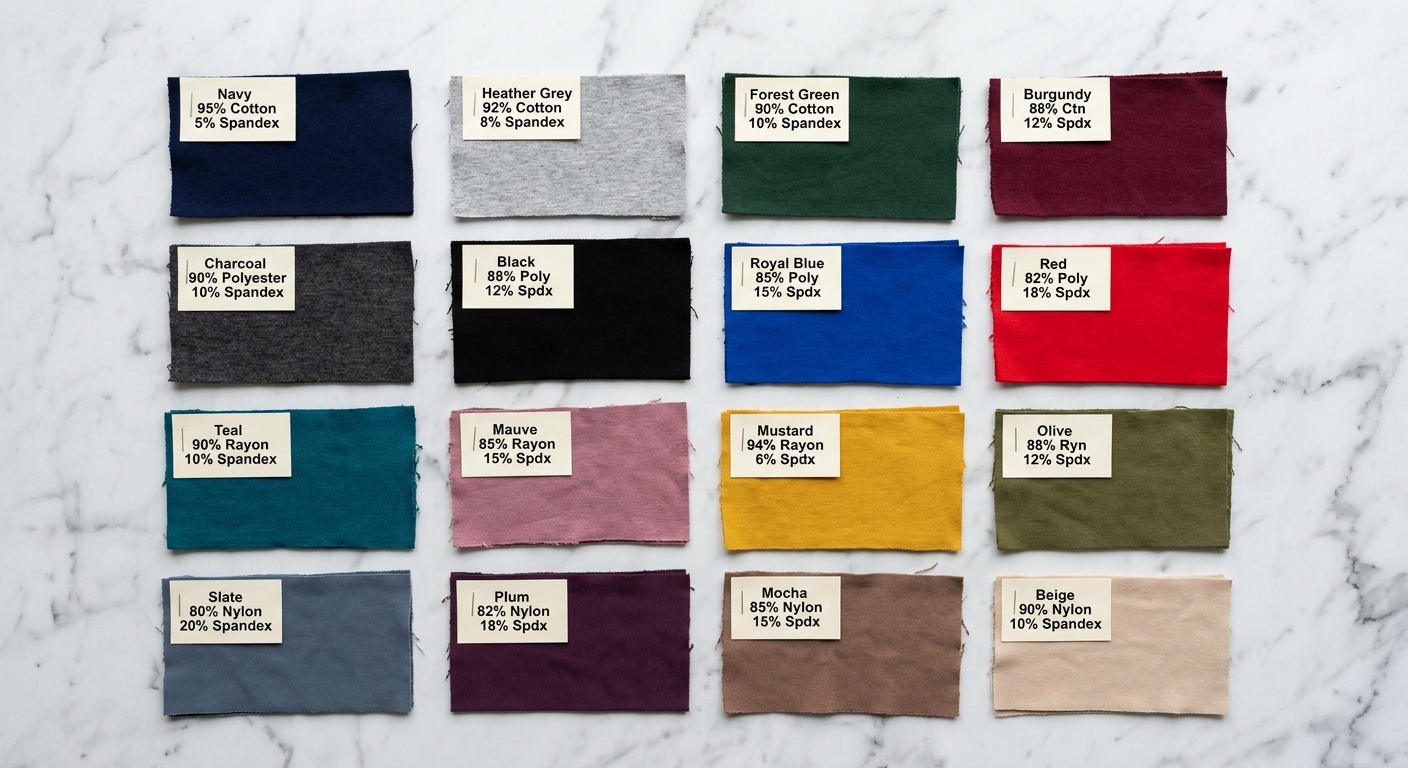
Here is the real technical detail that should drive your purchasing decisions: the percentage of elastane in the blend. A fabric labeled “95% polyester / 5% spandex” performs completely differently from one labeled “80% nylon / 20% spandex.” The base fiber and the blend ratio determine everything — hand feel, stretch range, recovery rate, breathability, and price.
Common Blend Ratios and Their Applications
- 2–5% elastane: Subtle comfort stretch. Used in dress shirts, chinos, and denim. Adds ease of movement without changing the look or drape of the base fabric. This is the sweet spot for streetwear fabrics that need a casual, non-athletic appearance.
- 8–15% elastane: Moderate power stretch. Common in fitted tops, leggings, and dancewear. The fabric starts to feel distinctly “stretchy” rather than just “comfortable.”
- 15–30% elastane: High-performance compression. Used in medical compression garments, competitive swimwear, and shapewear. These fabrics actively exert pressure against the body.
Real-World Example: Choosing the Right Ratio for Activewear
A small activewear brand sourcing fabric for a new leggings line might instinctively reach for the highest spandex percentage they can find. But more is not always better. A 20% spandex legging will feel like a compression garment — great for performance athletes, uncomfortable for casual yoga. For a lifestyle-oriented legging targeting everyday wear, 12–15% spandex blended with nylon fabric delivers the ideal combination of stretch, recovery, and comfort. The nylon base also adds a soft, silky hand feel that polyester blends struggle to match.
Two-Way Stretch vs Four-Way Stretch: A Critical Distinction
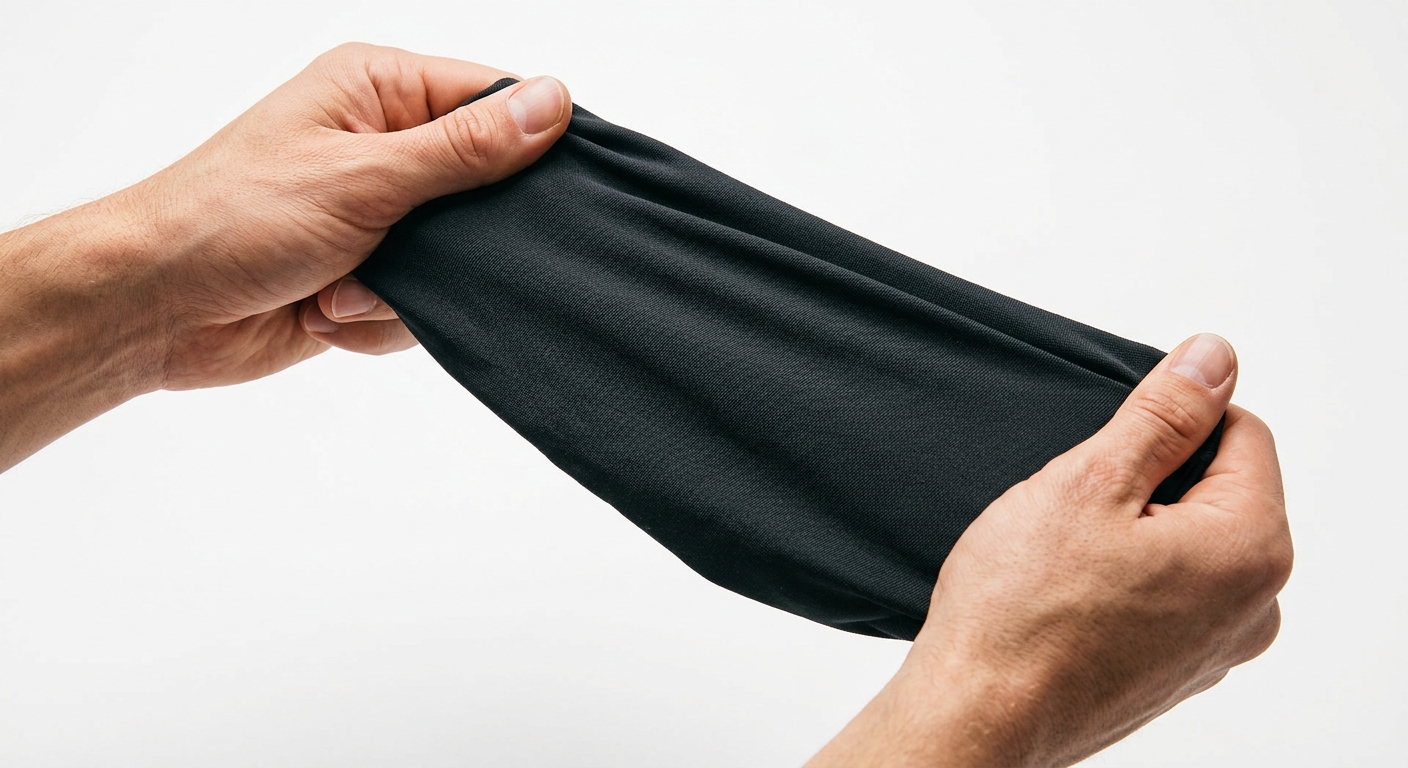
Not all stretch fabrics stretch in the same directions, and this distinction matters far more than most buyers realize. Two-way stretch fabrics stretch in one direction only — typically the width (weft direction). Four-way stretch fabrics stretch in both width and length.
When Two-Way Stretch is Enough
For garments that primarily need horizontal give — think fitted jeans, pencil skirts, or button-down shirts — two-way stretch is perfectly adequate and often more affordable. The fabric maintains more structure in the lengthwise grain, which helps garments hold their shape and resist sagging over time.
When You Need Four-Way Stretch
Any garment that moves with the body in multiple directions demands four-way stretch: activewear, dancewear, swimwear, and form-fitting tops. Four-way stretch is also essential for garments with complex seaming or body-contouring panels, because the fabric needs to accommodate movement across seam lines.
How to Test It
Grab a swatch and pull it horizontally — does it stretch and recover? Now pull it vertically. If it resists or barely moves, you have two-way stretch. If it stretches freely in both directions with good recovery, it is four-way. Always test both directions before committing to a wholesale order. A “stretch” label on a bolt does not tell you whether it is two-way or four-way.
Mechanical Stretch vs Fiber Stretch: The Hidden Variable
Most people assume all stretch comes from spandex. It does not. There are two fundamentally different ways a fabric can stretch, and confusing them leads to bad purchasing decisions.
Fiber Stretch (Elastane-Based)
This is the stretch you get from blending elastane/spandex into the yarn. The elastic fiber itself elongates and recovers. This produces superior, long-lasting recovery — the fabric snaps back to its original dimensions wash after wash. It is the gold standard for performance stretch.
Mechanical Stretch (Weave-Based)
Mechanical stretch comes from the fabric construction — specifically, from weaving yarns in a way that allows them to shift and move. Twill weaves, for example, naturally have some diagonal give. Certain knit constructions produce stretch without any elastane at all. The stretch exists because of how the yarns interlace, not because of what they are made of.
Why This Matters for Your Order
Mechanical stretch is cheaper because it requires no elastane content. But the recovery is significantly worse. A mechanically stretched fabric will gradually “bag out” at the knees, elbows, and seat over time. For garments where shape retention is critical, always specify fiber-based stretch with a minimum elastane percentage. For casual garments where a little relaxation is acceptable — think loose-fit chinos or unstructured jackets — mechanical stretch can save you real money per yard.
How Stretch Fabrics Behave with Different Base Fibers
The elastane is only half the equation. The base fiber when blended completely changes the fabric’s personality.
Nylon + Elastane
The premium combination for activewear and swimwear. Nylon is inherently smooth, strong, and moisture-wicking. Blended with elastane, it produces fabrics with excellent recovery, a luxurious hand feel, and good colorfastness. The downside: nylon blends cost more than polyester blends and can pill if the anti-pilling treatment is not applied.
Polyester + Elastane
The workhorse blend. Polyester is cheaper, more wrinkle-resistant, and holds sublimation prints exceptionally well. Polyester-elastane blends dominate the budget activewear and fast-fashion markets. Recovery is slightly inferior to nylon blends, and the hand feel tends to be less silky, but for price-sensitive applications it is the pragmatic choice.
Cotton + Elastane
The comfort blend. Cotton-elastane is what gives stretch denim and fitted tees their easy wearability. Cotton breathes better than synthetics but absorbs moisture rather than wicking it, making it a poor choice for high-intensity athletic wear. For casual apparel and everyday basics, though, it is hard to beat.
Wool + Elastane
A niche but growing category. Adding 1–3% elastane to wool fabric produces suiting and trouser material that moves with the body while retaining wool’s natural drape and temperature regulation. High-end menswear brands have driven demand for this blend in recent years.
Stretch Recovery Rate: The Spec Most Buyers Ignore
Stretch percentage gets all the attention. The recovery rate deserves more. A fabric that stretches 200% but only recovers 85% will look baggy after a few wears. A fabric that stretches 150% but recovers 98% will hold its shape for years.
What the Numbers Mean
Recovery rate is expressed as a percentage of the original dimensions after being stretched and released. Industry-standard testing (ASTM D3107 or equivalent) measures this after a defined number of stretch cycles. A recovery rate above 95% is considered excellent. Below 90%, you will see noticeable shape loss in fitted garments.
Real-World Example: The Swimwear Sourcing Mistake
A swimwear startup once sourced a polyester-spandex blend that looked great on paper — 20% spandex, four-way stretch, vibrant sublimation prints. But the recovery rate was only 88%. After three pool sessions, the suits bagged at the seat and waistband. The brand had to pull the line and re-source with a nylon-spandex blend that tested at 96% recovery. The per-yard cost was 30% higher, but the return rate dropped to nearly zero. Always request recovery-rate data before placing a bulk order.
Care and Durability: What Kills Stretch Fabrics
Even the best elastane degrades over time. Understanding what accelerates that degradation helps you advise your customers and choose more durable blends.
The Three Enemies of Elastane
- Heat: Temperatures above 150°C (300°F) permanently damage elastane fibers. This is why tumble-drying on high heat and aggressive ironing destroy stretch garments. Always recommend low-heat or air drying for end products.
- Chlorine: Pool chlorine attacks the polyurethane polymer chain, causing yellowing and loss of elasticity. Chlorine-resistant elastane variants exist (Invista’s Xtra Life Lycra is one) but cost more. If your end product is swimwear, specify chlorine-resistant elastane upfront.
- UV Exposure: Prolonged sunlight breaks down elastane, especially in lighter colors. This is relevant for outdoor activewear and swimwear left to dry in direct sun.
Practical Guidance for Labeling
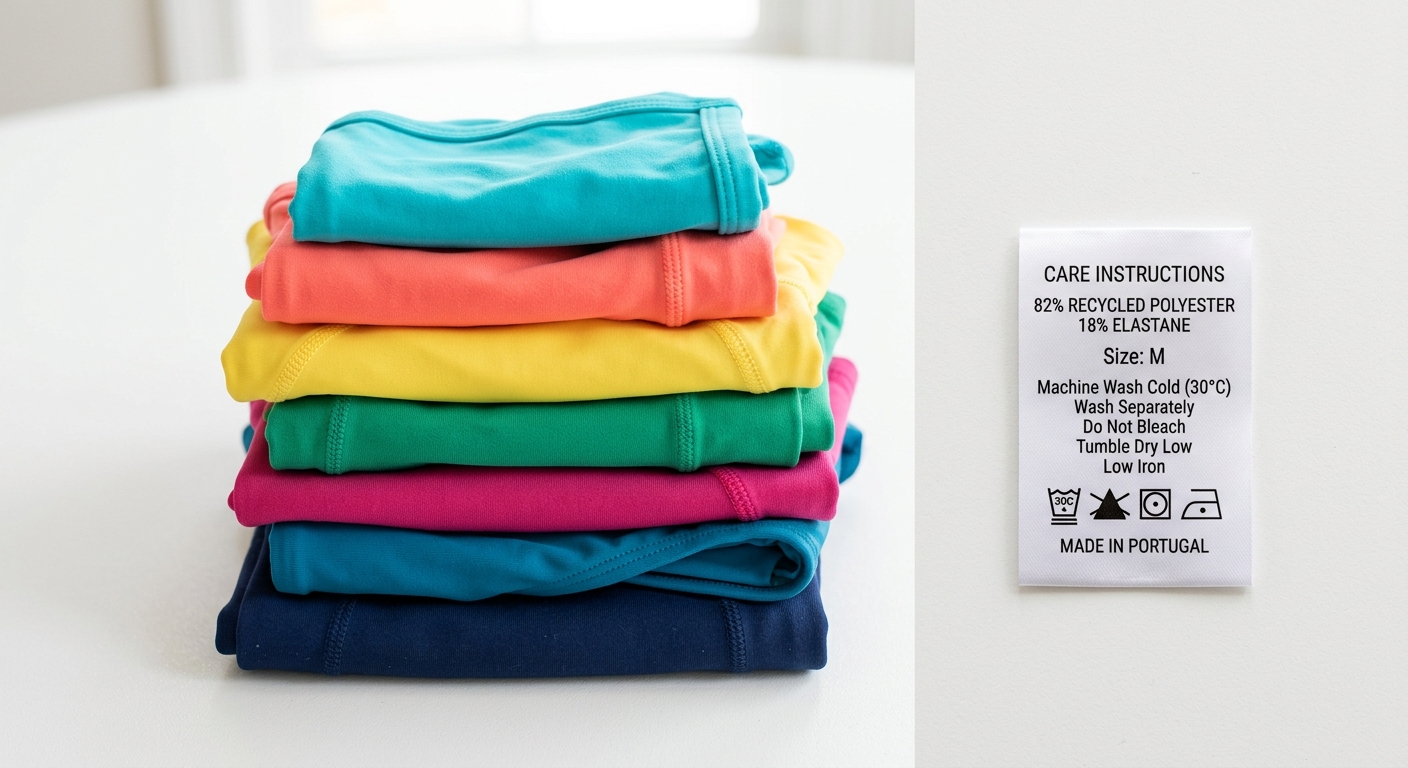
If you are manufacturing garments from stretch fabric, your care labels matter. Include specific instructions: wash cold, hang dry, no bleach. These are not suggestions — they are the difference between a garment that lasts 50 washes and one that loses shape after 10.
How to Evaluate Stretch Fabric Before Buying Wholesale
Knowing the theory is useless if you cannot apply it at the point of purchase. Here is a practical checklist for evaluating stretch fabric before committing to a wholesale order.
The Five-Point Swatch Test
Stretch direction: Pull horizontally, then vertically. Confirm two-way or four-way.
Recovery snap: Stretch the swatch 50% beyond its resting length, hold for 10 seconds, release. Does it return fully? Any residual elongation is a red flag.
Hand feels: Rub the fabric between your fingers. Does it feel smooth or plasticky? A harsh, rubbery feel often indicates low-quality elastane or excessive spandex percentage.
Opacity under stretch: Stretch the fabric over your hand. Can you see skin through it? “Squat-proof” opacity is non-negotiable for leggings and activewear.
Edge curl: Cut a small piece and observe. Excessive curling at cut edges makes the fabric harder to sew and indicates aggressive tension in the knit construction.
Request These Specs from Your Supplier
- Elastane percentage and type (polyether vs. polyester-based)
- Stretch percentage in both warp and weft directions
- Recovery rate after defined stretch cycles
- GSM (grams per square meter) — fabric weight affects drape and compression
- Chlorine and UV resistance ratings (if applicable)
Choosing the Right Stretch Fabric for Your Next Order
Stretch fabric is not a single product — it is a spectrum. The right choice depends entirely on your end application, your price point, and your customer’s expectations. Do not default to the highest spandex percentage or the most expensive brand name. Instead, match the blend ratio, base fiber, stretch type, and recovery rate to the specific demands of your product.
For everyday casual wear, 5% elastane in a cotton or polyester blend delivers comfort stretch at an accessible price. For performance activewear, 10–15% elastane in a nylon blend with four-way stretch and 95%+ recovery is the benchmark. For swimwear, insist on chlorine-resistant elastane — no exceptions.
At Global Fabric Wholesale, we carry stretch fabrics across these categories and can provide detailed spec sheets including recovery rates and blend compositions. Whether you are launching a new activewear line, sourcing stretch denim for a fashion brand, or developing pet clothes fabric that needs to flex with movement, we can help you find the exact stretch profile your product demands. Request swatches before you buy in bulk — your end customers will thank you.





 Login with Google