


Fabric for Pet Products: Durability, Washability, and Chew-Resistance Standards Explained

There's no single fabric that wins on chew-resistance, washability, and durability all at once — you're always trading one for another. High-denier ballistic nylon (1680D+) stops teeth cold but doesn't breathe; waterproof breathable laminates wash beautifully but tear under a determined chewer; PU leather wipes clean in seconds but cracks under repeated flexing. The right choice depends on which failure mode actually matters for your product.
Chew Resistance Isn't a Marketing Word — It's a Denier Number
If a supplier says a fabric is 'chew-resistant' but can't give you a denier count, walk away. Denier measures the thickness of individual fibers, and it's the closest thing the industry has to a real chew-resistance metric. Standard apparel nylon runs around 210D. Serious pet gear starts at 420D and climbs to 1000D or 1680D — the same weight class used in military duffel bags and tactical gear.
Ballistic nylon at 1680D is the gold standard for chew toys, tug ropes, and working-dog harnesses because the tight weave resists puncture even when a dog bites down hard and twists. Ripstop nylon in the 420D-600D range is the practical middle ground — strong enough for travel crates and carriers, lighter and cheaper than ballistic weight.
Where Weave Matters More Than Weight
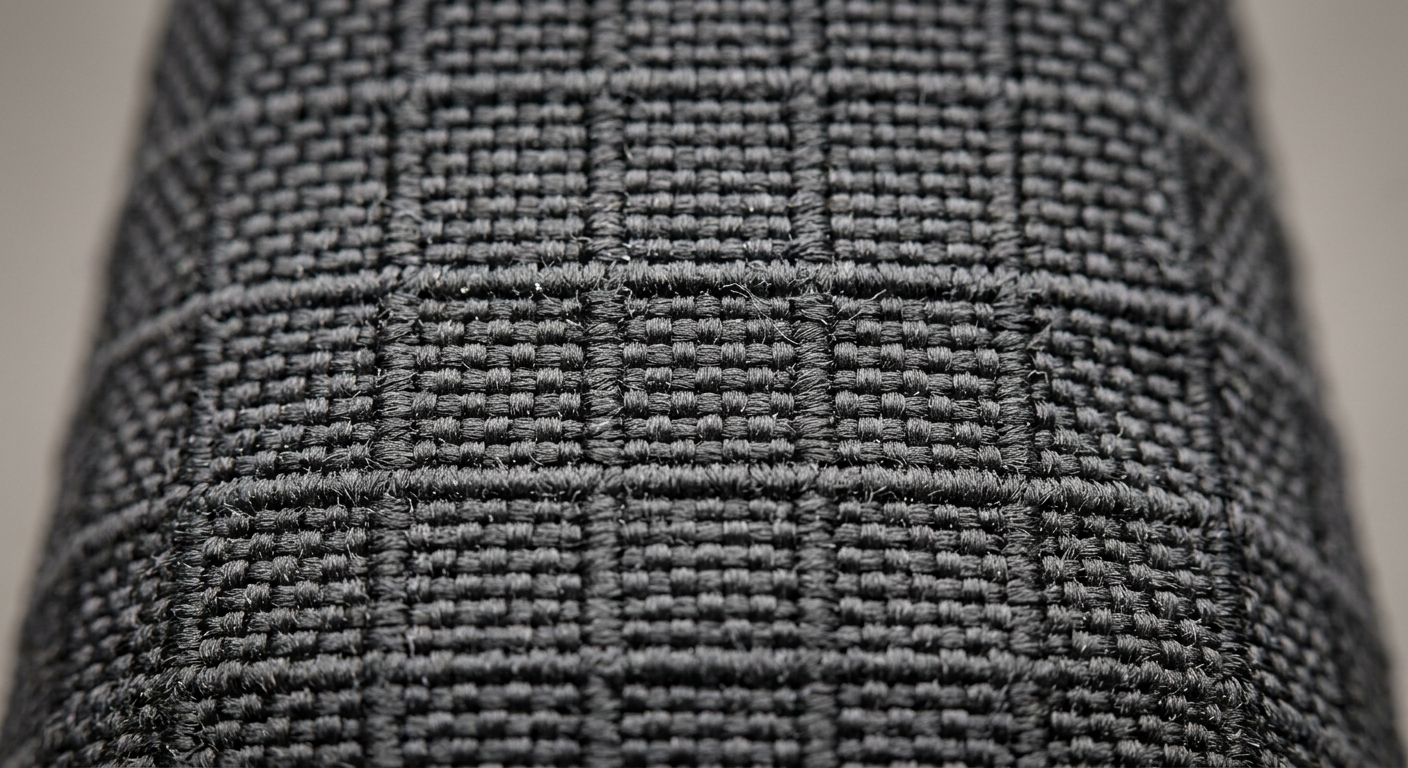
A loose weave at 600D can actually underperform a tight weave at 420D. Ripstop construction adds reinforcing threads in a grid pattern every few millimeters, so even if a tooth punctures one cell, the tear stops at the next reinforcement line instead of running the length of the fabric.
Washability: The GSM and Cycle Count Numbers That Actually Predict Longevity
A pet bed cover that can't survive 50+ home wash cycles isn't worth manufacturing — pet owners wash bedding weekly, sometimes twice. GSM (grams per square meter) tells you the starting durability, but wash-cycle testing tells you the real story. Fabrics under 150 GSM tend to pill and thin out after 20-30 washes; anything above 250 GSM with a tight synthetic weave typically holds shape past 100 cycles.
If you're unfamiliar with reading GSM specs correctly, our guide on reading GSM like a pro breaks down exactly how weight translates to real-world wear — it applies directly to pet textiles, not just apparel.
Machine Wash vs. Wipe-Clean: Know Which One You're Actually Building For
Waterproof breathable fabrics are engineered for machine washing — they resist water penetration from outside while still allowing vapor to escape, which keeps mildew from setting in on bedding that gets washed constantly. PU leather and vinyl-coated fabrics, by contrast, are wipe-clean products. Machine wash them and the coating will crack and peel within a dozen cycles.
Abrasion Ratings: Why Double Rubs Matter for Scratching Posts and Pet Furniture
Cat scratching posts and pet furniture face the same stress as heavy residential upholstery — repeated friction in the same spot, day after day. The Wyzenbeek and Martindale abrasion tests measure exactly this, counting how many rub cycles a fabric survives before visible wear appears. Anything rated below 15,000 double rubs will show bald patches on a scratching post within a few months.
We cover this rating system in more depth in our upholstery durability ratings guide — the same 30,000+ double rub threshold used for commercial upholstery is a smart minimum for any surface a cat will repeatedly claw or a dog will repeatedly lean against.
Real-World Case: A Dog Bed Manufacturer's Fabric Failure (and Fix)
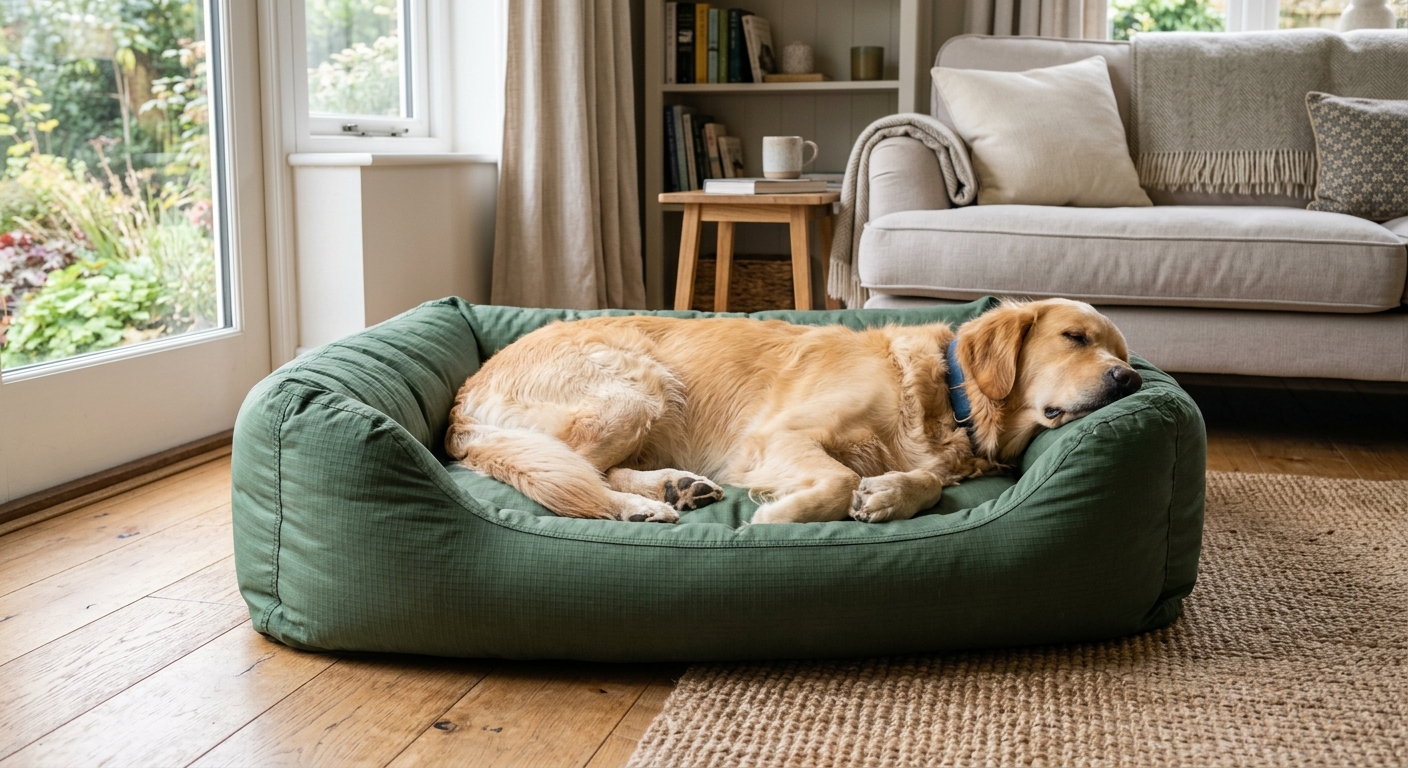
A mid-sized pet product brand launched an orthopedic dog bed line using a 180 GSM polyester twill outer cover. It looked great in photos and passed initial QC. Within three months, returns spiked — the cover was pilling badly after just 10-15 washes, and larger dogs were puncturing the seams with claws during normal getting-up-and-lying-down movement.
The fix wasn't a total redesign. They switched the outer shell to a 300 GSM ripstop polyester with a water-resistant coating, keeping the same bed core. Return rates dropped by more than 60% in the following quarter. The lesson: the visible outer fabric on pet products takes far more mechanical stress than equivalent human home textiles, and specs need to reflect that — not just look similar on paper.
Water and Odor Resistance: Where PU Coatings and Laminates Diverge
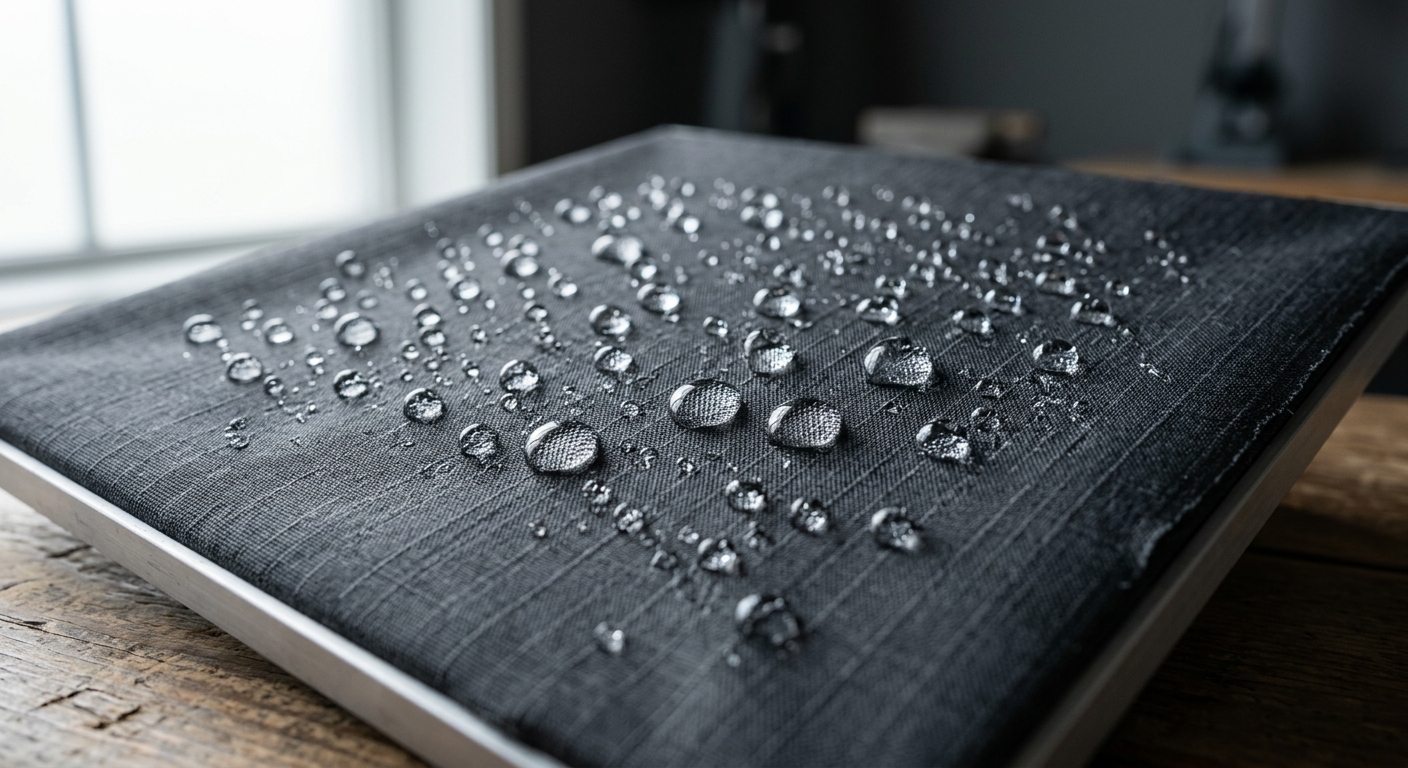
Pet accidents are a certainty, not an edge case — your fabric choice needs to plan for it. Waterproof breathable fabric uses a microporous membrane that blocks liquid from soaking through while letting moisture vapor escape, which matters a lot for reducing bacterial odor buildup in crate pads and bedding liners.
PU-coated fabrics like polyurethane leather take a different approach — a solid, non-breathable barrier that's easier to wipe down instantly but traps moisture and odor if used on anything the pet lies on for extended periods. That's why PU leather works well for harnesses, collars, and cat tree platforms, but performs poorly as a primary sleeping surface fabric.
The DWR Coating Question
Some manufacturers add a DWR (durable water repellent) finish to synthetic fabrics instead of a full laminate. It's cheaper and lighter, but it wears off after repeated washing — usually within 20-30 cycles unless reapplied. For pet products that get washed constantly, a built-in membrane outperforms a surface coating every time.
Mesh and Ventilated Fabrics: Where Breathability Beats Toughness
Not every pet product needs maximum durability — carriers, summer vests, and travel crate windows prioritize airflow over chew resistance. Mesh fabric lets heat escape and gives pets visibility, which matters enormously for reducing anxiety during travel. But mesh has essentially zero chew resistance, so it should only ever be paired with a reinforced frame or used in zones the pet can't reach with teeth.
A smart carrier design uses mesh for ventilation panels and high-denier nylon for the structural frame and edges — the combination pet product engineers actually rely on, rather than choosing one fabric to do every job.
Common Sourcing Mistakes That Sink Pet Fabric Orders
The most expensive mistake is ordering based on a swatch that feels tough by hand but was never tested against real bite force or wash cycles. Denier and GSM numbers on a spec sheet only mean something if they're backed by actual test data — our guide on reading a fabric spec sheet without getting burned covers exactly which numbers to demand from a supplier before committing to a bulk order.
Shrinkage Is Often Overlooked in Pet Products
A washable dog bed cover that shrinks 5% after the first wash won't fit its insert anymore — a problem home sewists rarely think about until it's happened. Check our shrinkage rates cheat sheet before finalizing pattern dimensions for anything marketed as machine washable.




 Login with Google