


Cotton vs Polyester vs Blends: Which Fabric Should You Actually Buy in Bulk?

If you're ordering fabric in bulk, the answer isn't “always pick the cheapest option.” For breathable, skin-friendly products like baby clothing or summer tees, 100% cotton is still king. For durability-driven applications like uniforms, activewear, or outdoor furnishings, polyester dominates. And for the vast middle ground — everyday t-shirts, workwear, bedding — a cotton-polyester blend gives you the best of both worlds at a price point that protects your margins. The right choice depends entirely on what you're making, who's wearing it, and how many wash cycles it needs to survive.
The Quick Comparison: Cotton, Polyester, and Blends at a Glance
Before we get into the nuances, here's the side-by-side breakdown that every bulk buyer needs pinned to their desk. These numbers reflect typical wholesale-grade fabrics, not boutique specialty weaves.
| Feature | Cotton | Polyester | Blends |
|---|---|---|---|
| Wholesale Cost/Yard | $$–$$$ | $–$$ | $$ |
| Breathability | Excellent | Poor | Good |
| Durability (Wash Cycles) | Good (200+) | Excellent (500+) | Very Good (350+) |
| Shrinkage Risk | 3–5% | < 1% | 1–3% |
| Wrinkle Resistance | Poor | Excellent | Good |
| Color Retention | Moderate | Excellent | Good |
| Moisture Wicking | Absorbs, slow dry | Wicks, fast dry | Balanced |
| Best Bulk Use Case | Casual apparel, baby goods | Activewear, uniforms | T-shirts, workwear, home textiles |
Now let's unpack what these numbers actually mean for your purchasing decisions.
100% Cotton: When Comfort is Non-Negotiable
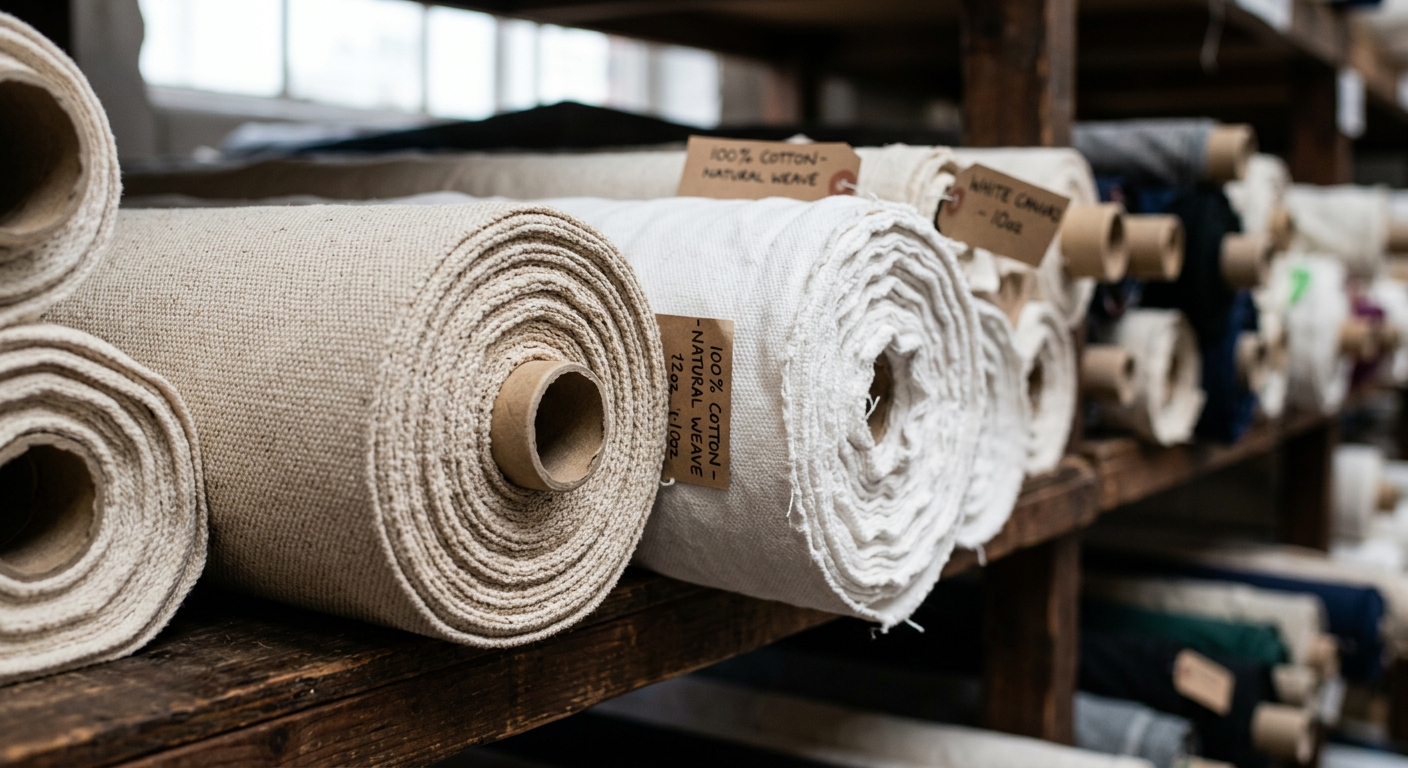
Cotton has a 7,000-year head start on polyester, and for good reason — nothing else feels quite like it against skin. But “comfort” isn't just a marketing buzzword. Cotton's natural cellulose fibers create micro-channels that absorb and release moisture through evaporation, making it genuinely thermoregulating in a way synthetic fabrics can't replicate.
Where Cotton Wins in Bulk
- Baby and children's apparel: Hypoallergenic, soft, and breathable. Parents actively seek out 100% cotton labels.
- Summer casual wear: Lightweight cotton voile, lawn, and jersey remain the go-to for warm-climate garments. For a deeper dive on hot-weather fabrics, check out our comparison of linen vs cotton for hot weather.
- Premium bedding and towels: High-thread-count cotton percale and sateen command premium retail prices, meaning better margins even at a higher per-yard cost.
Where Cotton Falls Short
Shrinkage is the elephant in the room. Expect 3–5% shrinkage on the first wash for non-preshrunk cotton, which means you need to factor that into pattern grading or risk returns. Cotton also wrinkles aggressively — fine for a linen-look aesthetic, terrible for corporate uniforms. And color retention? After 50 washes, cotton tends to fade noticeably compared to polyester, which holds dye almost indefinitely.
Real-World Scenario
A children's clothing brand we've worked with switched from a 60/40 blend to 100% combed cotton ring-spun jersey for their toddler line. Their per-yard cost went up roughly 18%, but their return rate dropped by nearly a third because parents stopped complaining about skin irritation and stiffness after washing. The math worked out in their favor — sometimes the “expensive” fabric is actually the cheaper choice when you factor in returns and customer lifetime value.
100% Polyester: The Workhorse You Shouldn't Underestimate
Polyester gets a bad rap from people who remember scratchy 1970s leisure suits. Modern polyester is a completely different animal. Engineered microfiber polyester can feel remarkably soft, and performance polyester with moisture-wicking treatments rivals cotton in next-to-skin comfort for active applications.
Where Polyester Wins in Bulk
- Activewear and athleisure: Polyester's quick-dry properties make it the default for gym wear, yoga pants, and running gear. Browse our quick-dry fabric collection to see the range available.
- Uniforms and workwear: When a garment needs to survive 500+ industrial wash cycles without fading, pilling, or shrinking, polyester is the only serious option.
- Sublimation printing: If your business model involves custom all-over prints, polyester is mandatory — sublimation ink bonds chemically with polyester fibers and won't adhere properly to cotton.
- Outdoor and marine applications: UV resistance and hydrophobic properties make polyester ideal for awnings, boat covers, and outdoor cushion covers.
Where Polyester Falls Short
Breathability is polyester's Achilles heel. The fibers don't absorb moisture — they repel it — which means sweat sits on the skin in non-wicking constructions. Polyester also retains odors more stubbornly than cotton because bacteria cling to the hydrophobic surface. And for eco-conscious brands, the petroleum-based origin is increasingly a marketing liability, though recycled polyester (rPET) is closing that gap.
The Cost Advantage
Here's the number that matters most for bulk buyers: polyester is typically 20–40% cheaper per yard than equivalent-weight cotton, and it arrives with virtually zero shrinkage. That means less waste, tighter inventory management, and more predictable costing. For high-volume operations, that consistency alone can justify the choice.
Cotton-Polyester Blends: The Pragmatist's Choice
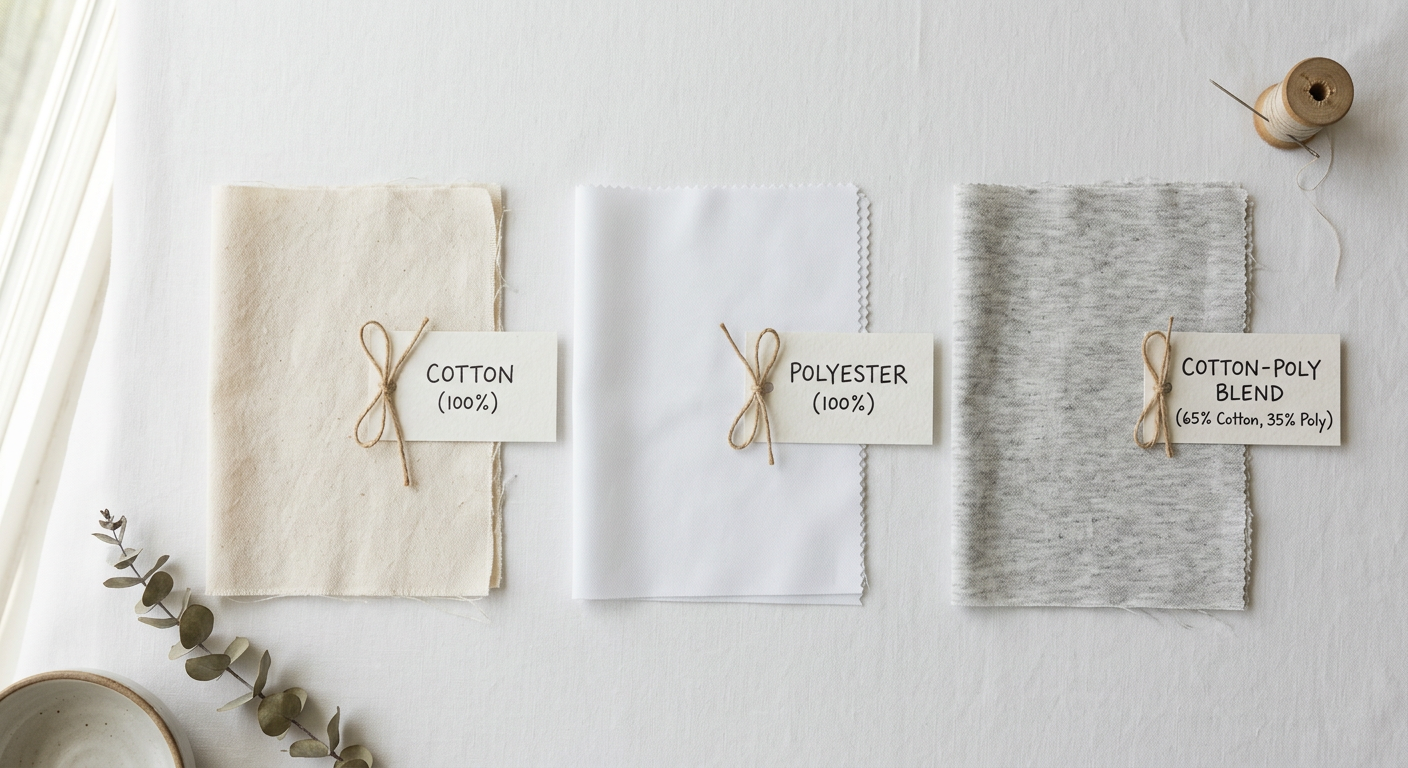
Here's an opinion that might ruffle some purists: for most bulk applications, a 60/40 or 50/50 cotton-polyester blend is the smartest default choice. You get cotton's breathability and soft hand feel combined with polyester's durability, wrinkle resistance, and color retention — at a price point that sits comfortably between the two.
Common Blend Ratios and What They Mean
- 80/20 Cotton-Poly: Feels almost like pure cotton. Slightly better shape retention and less shrinkage. Great for premium t-shirts.
- 60/40 Cotton-Poly: The sweet spot for everyday apparel. Noticeably more durable than pure cotton with good breathability.
- 50/50 Cotton-Poly: Maximum balance. Excellent for screen printing because the polyester component prevents excessive ink absorption, yielding sharper graphics.
- 65/35 Poly-Cotton: Note the flip — polyester-dominant. Preferred for industrial workwear and hospitality linens where durability trumps softness.
Why Screen Printers Love 50/50 Blends
If you're supplying blank apparel to the custom printing industry, 50/50 blends are the industry standard for a reason. The polyester fibers create a smoother printing surface, reduce ink bleed, and the garments hold their shape through hundreds of washes — critical when your customer's logo needs to still look crisp after a year of weekly laundering.
Shrinkage, Pilling, and the Hidden Costs of Choosing Wrong
The sticker price per yard is only part of the equation. Bulk buyers who ignore downstream costs end up paying more — not less. Let's talk about the three hidden cost drivers that should influence your fabric choice as much as the wholesale price.
Shrinkage Waste
A 5% shrinkage rate on 1,000 yards of cotton means you effectively lose 50 yards before a single garment is cut. At $4–$6 per yard for quality cotton, that's $200–$300 evaporating in the first wash. Polyester? Virtually zero loss. Blends split the difference at 1–3%. If your production process doesn't include a pre-shrink step, factor this waste into your per-unit cost calculations.
Pilling and Customer Returns
Low-quality polyester pills aggressively, especially at friction points like underarms and inner thighs. Pilling is the #1 reason customers describe a garment as “cheap-looking” after a few washes. The fix isn't avoiding polyester — it's specifying the right polyester. Look for fabrics with longer staple fibers or anti-pill treatments. Our fleece fabric collection, for example, includes anti-pill options specifically engineered for durability.
Color Fading and Reorder Headaches
Cotton fades. It's not a defect — it's physics. The cellulose fibers don't bond with dye as permanently as polyester does. If your product line relies on consistent color matching across seasonal reorders, polyester or poly-heavy blends will save you from the nightmare of dye-lot variations between batches.
Matching Fabric to End Product: A Decision Framework
Stop thinking about fabric in the abstract. Start thinking about it in terms of your specific end product. Here's a framework that eliminates guesswork.
Ask These Four Questions Before Every Bulk Order
- What's the expected wash frequency? Daily-wash items (uniforms, gym wear, baby clothes) need durability. Polyester or blends win here.
- Is skin contact prolonged? Sleepwear, underwear, and infant products demand breathability and hypoallergenic properties. Cotton wins.
- Will the fabric be printed or dyed? Sublimation requires polyester. Screen printing works best on blends. Reactive dyes bond best with cotton.
- What's your customer's price sensitivity? Budget-conscious markets favor polyester's lower cost. Premium markets expect cotton's hand feel.
Real-World Application: Hospitality Linens
A hotel linen supplier we know tested three fabric options for flat sheets: 100% cotton percale, 100% microfiber polyester, and a 60/40 cotton-poly blend. The cotton percale scored highest in guest satisfaction surveys but needed replacement every 8–10 months due to thinning. The microfiber polyester lasted 18+ months but generated complaints about sleeping hot. The 60/40 blend hit the sweet spot — 14-month average lifespan with satisfaction scores only 5% below pure cotton. At scale across 200 hotel rooms, the blend saved the supplier over $12,000 annually in replacement costs.
Specialty Textures: Don't Forget the Weave
Fiber content gets all the attention, but the weave structure matters just as much for the final product's performance and feel. A cotton jersey and a cotton canvas are both “100% cotton,” but they behave like completely different materials.
Weave Structures That Change the Game
- French Terry: A looped-back knit that works beautifully in both cotton and blends for hoodies and sweatshirts. If you're sourcing for the loungewear or athleisure market, our French terry buyer's guide breaks down what to look for.
- Waffle Knit: The textured grid pattern traps air for insulation while remaining lightweight — excellent in cotton for thermal underwear or in blends for casual layering pieces.
- Mesh: Almost always polyester for activewear panels and sportswear. The open construction provides ventilation that compensates for polyester's lower breathability.
The takeaway? Don't just specify “cotton” or “polyester” on your purchase order. Specify the fiber and the construction. A polyester mesh performs radically differently from a polyester satin, even though they share the same fiber content.
Sustainability Considerations for 2026 Bulk Buyers
Sustainability isn't optional anymore — it's a purchasing criterion. And the landscape has shifted significantly. Here's where each fiber stands in 2026.
Cotton's Environmental Paradox
Cotton is natural and biodegradable, which sounds great until you learn it takes roughly 10,000 liters of water to produce one kilogram of conventional cotton. Organic cotton reduces pesticide use but actually requires more water in many growing regions. If sustainability is a core brand value for your customers, look for BCI (Better Cotton Initiative) certified or GOTS organic sources.
Polyester's Recycled Revolution
Recycled polyester (rPET) — made from post-consumer plastic bottles — now accounts for roughly 15% of global polyester production and is growing fast. It uses 59% less energy to produce than virgin polyester and diverts plastic from landfills. For bulk buyers, rPET is typically only 5–10% more expensive than virgin polyester, making it an easy sustainability win without blowing up your cost structure.
Blends: The Recycling Problem
Here's the uncomfortable truth: cotton-polyester blends are extremely difficult to recycle because separating the fibers is technically complex and expensive. If end-of-life recyclability matters to your brand story, pure fibers (either 100% cotton or 100% polyester) are actually better choices than blends. It's a trade-off worth discussing with your product development team.
How to Place a Smarter Bulk Fabric Order
Knowing which fabric to choose is half the battle. Ordering it correctly is the other half. Here are the practical steps that separate experienced bulk buyers from first-timers.
Always Order Sample Yardage First
Never commit to 500+ yards based on a spec sheet alone. Order 5–10 yards, wash it three times at the temperature your end customer will use, and evaluate shrinkage, hand feel, and color fastness. This $30–$50 investment can save you thousands in rejected inventory.
Specify GSM, Not Just Fiber Content
GSM (grams per square meter) determines the weight and drape of the fabric. A 120 GSM cotton jersey is a lightweight summer tee. A 220 GSM cotton jersey is a hefty premium garment. If you order “cotton jersey” without specifying GSM, you're gambling on what arrives.
Understand MOQs and Lead Times
Cotton typically has longer lead times than polyester because it's an agricultural product subject to seasonal supply fluctuations. Polyester, being manufactured, offers more consistent availability. Blends fall somewhere in between. Check our shipping policy for current lead time estimates on bulk orders.
Build Relationships, Not Just Transactions
The best bulk pricing comes from consistent ordering patterns. If you know you'll need 2,000 yards of 50/50 blend jersey every quarter, communicate that upfront. Wholesale suppliers — including us — can offer better per-yard pricing and priority allocation for predictable, recurring orders.
Your Next Bulk Order Starts Here
There's no universally “best” fabric — there's only the best fabric for your specific product, customer, and price point. Cotton delivers unmatched comfort and commands premium positioning. Polyester delivers unmatched durability and cost efficiency. Blends deliver the pragmatic middle ground that works for the widest range of applications.
The smartest bulk buyers don't pick a favorite fiber and stick with it forever. They match the fiber to the job, every single time. And they work with a supplier who stocks all three options in the weights, weaves, and colors they need — without forcing them into massive minimums on every SKU.
At Global Fabric Wholesale, we carry cotton, polyester, and blended fabrics by the yard in a range of constructions from terry to mesh to fleece. Whether you're ordering 50 yards for sampling or 5,000 for production, we're built to support bulk buyers who know exactly what they need — and those who need a little guidance figuring it out. Browse our collections or reach out to our team to discuss your next order.




 Login with Google