-

Free Samples!



Is Viscose Fabric Breathable? Yes — And Here’s What That Actually Means for What You Wear

Table of Contents
Yes, viscose is breathable — and more so than most synthetics. Its open fiber structure allows airflow and absorbs moisture readily, which is why it shows up so often in warm-weather dresses, blouses, and loungewear. But it is not the most breathable fabric available, and how it performs depends on weight, blend, and what you are doing in it.
This guide covers why viscose breathes the way it does, how it stacks up against cotton and linen, and when a different fabric might actually serve you better.
Is Viscose Breathable?
Yes — and it sits comfortably in the middle of the breathability scale. It outperforms polyester and most synthetics by a clear margin, performs similarly to fine cotton in everyday wear, but falls short of linen, which absorbs and releases moisture faster. The key reason viscose breathes well: it has a lightweight, open fiber structure that does not trap heat, and it absorbs perspiration into the fiber rather than leaving it on the surface of the skin. What it does not do is release that moisture quickly — so in sustained heat with high activity, it can start to feel damp.
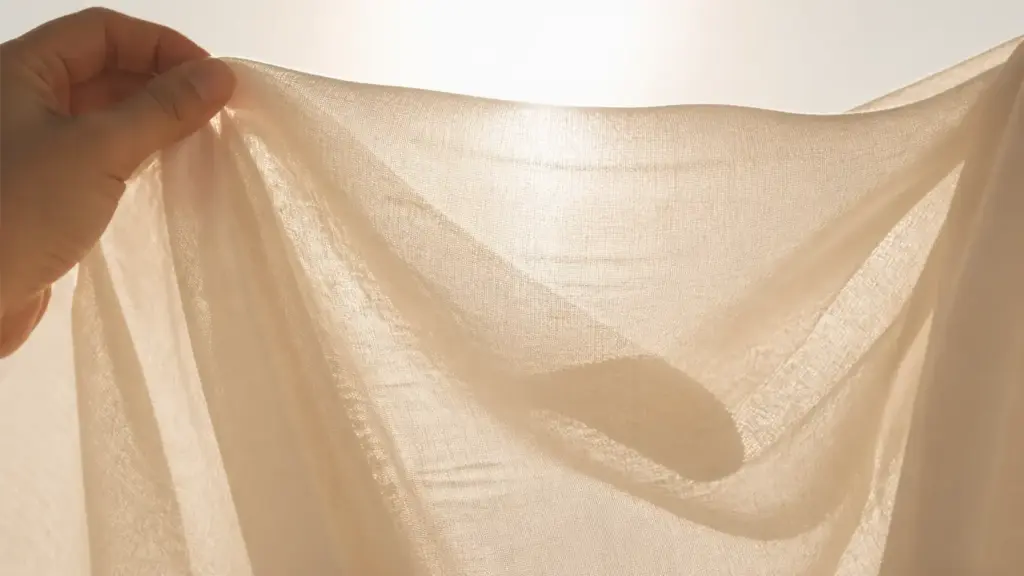
Why Viscose Feels Breathable?
Breathability in a fabric comes down to two things: airflow and moisture handling. Viscose performs reasonably well on both, though differently from cotton or linen.
On airflow: viscose is typically woven or knitted with a relatively open structure that does not block air circulation the way denser synthetics do. On moisture: viscose absorbs perspiration readily, pulling it away from the surface of the skin rather than leaving it to sit there — which is what creates that cool, non-clingy feeling it is known for.
The fiber itself starts as plant cellulose — wood pulp, most commonly — which is processed into a soft, flexible strand. This plant-based origin gives it moisture-handling properties that most petroleum-based synthetics cannot replicate. For more on how viscose fiber is produced, the process involves dissolving cellulose and extruding it into fine filaments.
The limitation worth knowing: viscose holds onto moisture once absorbed rather than releasing it quickly the way linen does. In very humid conditions or during prolonged activity, this can make a viscose garment feel damp and heavy. For low-to-moderate activity in warm weather, it is rarely a problem.
How Viscose Compares to Other Fabrics in Warm Weather?
| Feature | Viscose | Cotton | Linen |
|---|---|---|---|
| Breathability | Medium-High | High | Very High |
| Moisture handling | Absorbs readily | Absorbs into fiber | Absorbs + releases fast |
| Feel in heat | Light, less clingy | Can feel damp | Cool, crisp |
| Drape | Fluid, flowing | Structured | Relaxed, textured |
| Best warm-weather use | Dresses, blouses, loungewear | T-shirts, casual wear | Shirts, summer dresses |
Linen releases moisture the fastest of the three, which is why it stays drier in high heat. Cotton absorbs readily but can feel heavier and damper during prolonged wear. Viscose sits between them — lighter and less clingy than cotton when you sweat, but not as quick-drying as linen.
For a full side-by-side on how viscose and cotton perform across softness, drape, and care, see our guide on how viscose and cotton compare. For how viscose stacks up against polyester in comfort and durability, see how viscose compares to polyester.
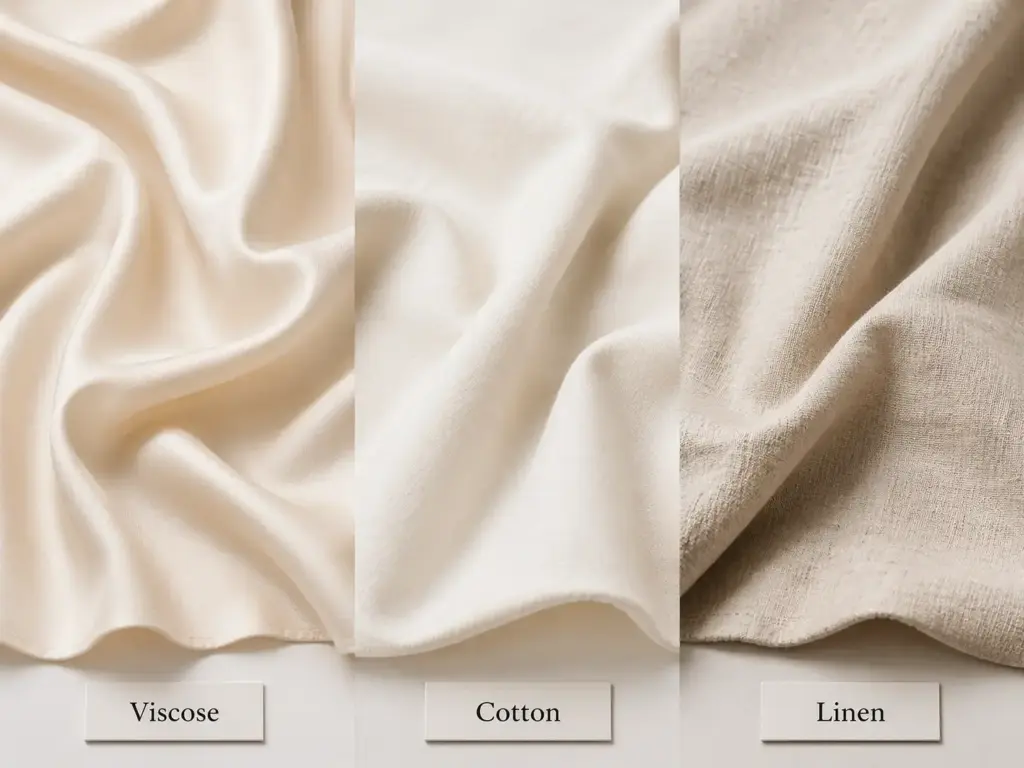
Is Viscose Good for Hot Weather?
Yes, for everyday warm-weather wear — with one caveat. Viscose stays light, absorbs moisture away from the skin, and resists the clingy, sticky feeling that heavier fabrics develop when you sweat. For a relaxed day out, warm-weather travel, or a summer evening, it performs well. The caveat: sustained physical activity in high humidity pushes viscose past its comfort zone, because it holds onto moisture rather than releasing it. In those conditions, a performance fabric engineered for moisture wicking will outperform it.
When Viscose Might Feel Less Breathable?
Not all viscose fabrics perform the same way in heat. A few factors reduce how breathable the finished garment feels:
- Fabric weight (GSM): Heavier viscose — above 180 GSM — will feel warmer and less breathable than a lighter 120-150 GSM version. For warm-weather use, look for lighter weights.
- Blended fibers: Viscose blended with polyester or other synthetics will be noticeably less breathable than 100% viscose. Check the composition label before buying.
- Finish and coating: Some viscose fabrics are treated with finishes that reduce airflow. A heavily coated or laminated viscose will breathe less freely than an unfinished one.
When shopping for warm-weather fabric, 100% viscose in a lighter weight will give you the best breathability. The higher the viscose percentage in a blend, the better it will perform in heat.
Best Uses for Viscose in Warm Weather
Viscose's combination of breathability, lightweight drape, and smooth surface makes it well-suited to a specific range of warm-weather garments:
- Summer dresses: Fluid drape and moisture absorption make viscose one of the better choices for warm-weather dresses. See our dress fabric collection for viscose options by the yard.
- Blouses and lightweight tops: The smooth surface and light weight make it a natural fit for tops worn close to the skin in warm conditions.
- Loungewear: Soft feel and breathability make viscose a popular choice for warm-weather loungewear. Browse our loungewear fabric options for suitable weights.
- Sleepwear: Its smooth, non-clingy surface makes viscose a good warm-weather sleepwear fabric, particularly for those who run warm at night.
- Lightweight layers: A thin viscose layer adds coverage without trapping heat — useful for air-conditioned environments in summer.
Frequently Asked Questions About Viscose Breathability
Does viscose keep you cool?
Generally yes, for everyday warm-weather wear. Viscose absorbs moisture, allows airflow, and has a smooth surface that does not stick to the skin. It performs best in low-to-moderate activity — during sustained exertion in high humidity, it can start to feel damp as it holds onto moisture rather than releasing it quickly.
Is viscose good for summer dresses?
Yes, viscose is one of the better choices for summer dresses. Its fluid drape, light weight, and moisture-absorbing properties make it comfortable in warm weather, and it takes color and print well — which is why floral viscose dresses are a staple of summer collections.
Is viscose breathable enough for activewear?
Not ideally. Viscose breathes better than most synthetics, but it holds onto moisture rather than wicking it away quickly. For high-activity garments, a performance fabric engineered for moisture management will serve you better.
Does viscose absorb sweat?
Yes, readily — that is part of what makes it comfortable in heat. The drawback is retention: viscose holds onto moisture rather than releasing it fast, which means it can feel damp during prolonged activity or in very humid conditions. For moderate everyday wear, this is rarely a problem.
Looking for Breathable Fabric by the Yard
Viscose is one of the more comfortable warm-weather fabric choices available — lightweight, smooth, and easy to wear across a wide range of garment types.
Browse our full range of breathable fabrics by the yard — order exactly what you need, in the colors you want.



 Login with Google