


Silk vs Satin: What’s the Difference?

Silk is a natural fiber harvested from silkworm cocoons, while satin is a weave structure that can be made from silk, polyester, nylon, or other fibers. The confusion is common because silk fabric is often woven in a satin weave — giving it that signature glossy drape — but not all satin is silk. Understanding this distinction helps you choose the right material for your budget, project, and care routine.
Silk: A Natural Fiber with Unmatched Luxury
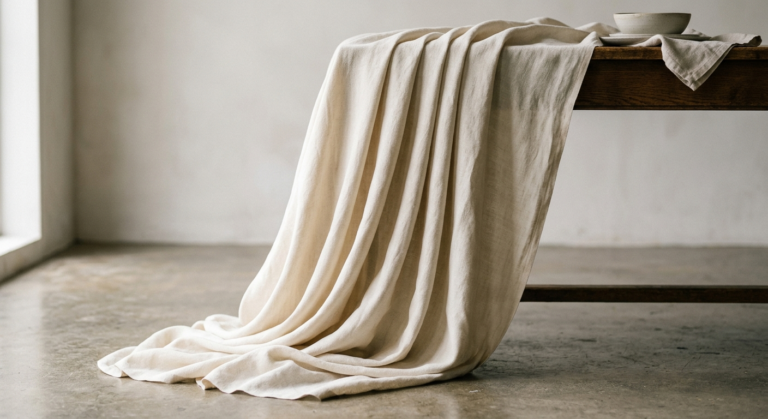
Silk is produced by Bombyx mori silkworms, which spin continuous protein filaments to form their cocoons. Those filaments are unwound, twisted into yarn, and woven into fabric. The result is a material with a natural, soft sheen, excellent breathability, and a lightweight drape that few fabrics can rival.
Key properties of silk
- Temperature-regulating: Silk keeps you cool in summer and warm in winter thanks to its natural protein structure.
- Hypoallergenic: Naturally resistant to dust mites and mold, making it a popular choice for sensitive skin.
- Delicate: Silk weakens when wet and is vulnerable to snags, sunlight, and harsh detergents.
- Expensive: The labor-intensive production process makes genuine silk one of the costliest fabrics per yard.
Browse our range of silk fabric by the yard to see the variety of weights and weave styles available, from charmeuse to dupioni.
Satin: A Weave Structure, Not a Fiber
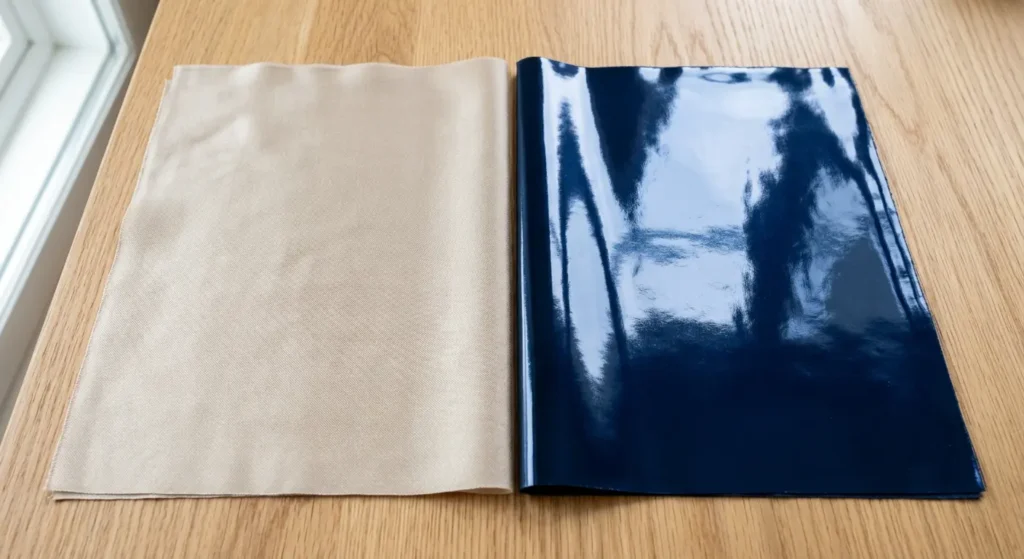
Satin refers to a specific weaving technique where warp threads float over multiple weft threads before interlacing. This long-float construction minimizes thread crossings on the fabric face, creating a smooth, reflective surface. The weave itself — not the fiber — is what produces satin's characteristic high-gloss finish.
Common satin fiber bases
- Polyester satin: The most affordable and widely available option. Durable, machine washable, and very shiny — but less breathable than natural alternatives.
- Silk satin (charmeuse): Combines the satin weave with silk fiber for a softer, more muted sheen and superior drape.
- Nylon satin: Lightweight and strong, often used in lingerie and linings.
For instance, an independent costume designer sourcing fabric for a theatrical production might choose polyester satin over silk satin to keep costs manageable across multiple garments — getting the visual impact of a glossy finish without the fragility or price tag of genuine silk.
If you're comparing other smooth, drapey options, our guide on cotton vs modal covers similar trade-offs between natural and semi-synthetic fibers.
Side-by-Side Comparison: Silk vs Satin
The table below breaks down the most important differences to help you decide which material suits your project.
| Criteria | Silk | Satin |
|---|---|---|
| What it is | Natural protein fiber | Weave structure |
| Fiber content | 100% silk filament | Silk, polyester, or nylon |
| Cost | High — premium pricing | Low to moderate |
| Sheen | Soft, luminous glow | High-gloss, mirror-like |
| Breathability | Excellent | Low (if polyester-based) |
| Durability | Moderate — delicate | Higher (synthetic satin) |
| Care | Dry clean or hand wash | Machine wash (poly satin) |
| Best use cases | Lingerie, blouses, scarves | Linings, eveningwear, costumes |
Which One Should You Choose for Your Project?
The right choice depends on your end use, budget, and how much maintenance you're willing to commit to.
Choose silk if you need:
- Natural breathability for warm-weather garments like blouses, camisoles, or scarves
- A soft, understated sheen rather than a high-gloss finish
- Skin-friendly, hypoallergenic properties for lingerie or sleepwear
Choose satin (polyester or nylon) if you need:
- A budget-friendly glossy fabric for eveningwear, prom dresses, or costume work
- A durable, easy-care lining fabric for structured jackets or skirts
- Consistent color saturation across large yardage for bridal or event projects
A home sewer making a bridesmaid dress on a tight budget, for example, might opt for polyester satin to achieve the elegant drape and sheen expected of formalwear, while reserving silk for a smaller accent piece like a sash or bow where the natural texture will be most visible and appreciated.
If you're selecting fabrics for structured garments, our guide on choosing the right fabric for digital sewing patterns offers useful guidance on matching fabric weight and drape to pattern requirements. You might also explore jacquard fabric as a third option if you want surface texture and pattern alongside a formal finish.
The Practical Takeaway: Fiber vs Weave
Silk and satin are not interchangeable terms — one describes what a fabric is made of, the other describes how it is constructed. When shopping for fabric, always check the fiber content label alongside the weave description. A fabric listed as "satin" without a fiber content could be polyester, nylon, or genuine silk — and each behaves very differently under the needle, iron, and washing machine.
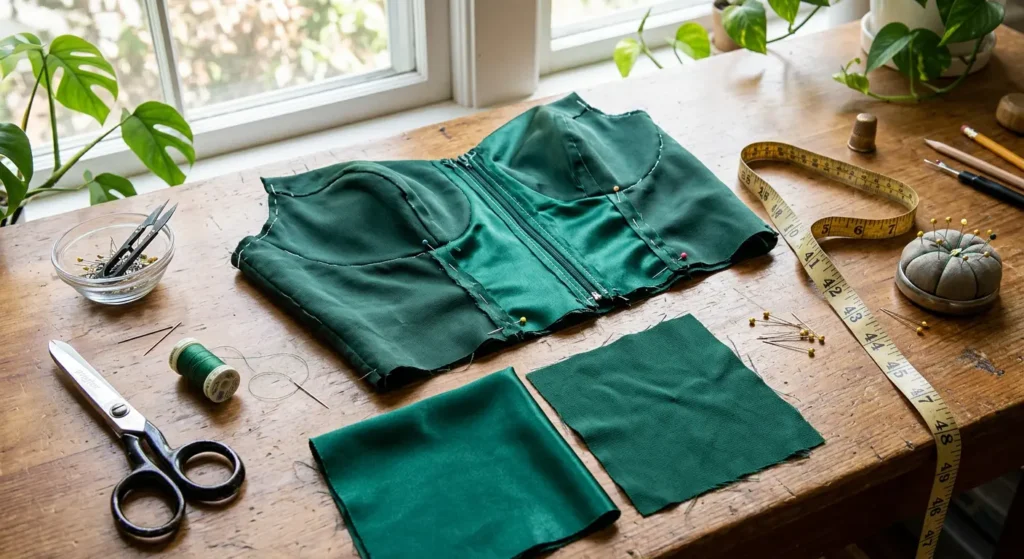
For sewing purposes, both silk and satin-weave fabrics benefit from sharp needles (size 60–70 for lightweight), French seams or serged edges to prevent fraying, and a low iron temperature with a pressing cloth. Avoid pinning in the seam allowance to prevent permanent holes in delicate weaves.
At Global Fabric Wholesale, you'll find silk fabric and a wide range of smooth, drapey options available by the yard with no minimum order — ideal whether you're sampling a single meter or sourcing for a full collection. Explore the full range in our fabric shop and filter by material, weight, and function to find exactly what your project needs.



 Login with Google