


Cotton vs Polyester Fabric: Which One Should You Actually Sew With?

Cotton wins for breathability, comfort, and ease of sewing — making it the go-to for everyday garments, kidswear, and quilting. Polyester outperforms it on durability, moisture-wicking, and cost, making it the smarter pick for activewear, linings, and projects that take a beating. The honest answer is that neither fabric is universally better: the right choice depends entirely on what you're making and who's wearing it.
The Core Differences: What Cotton and Polyester Actually Are
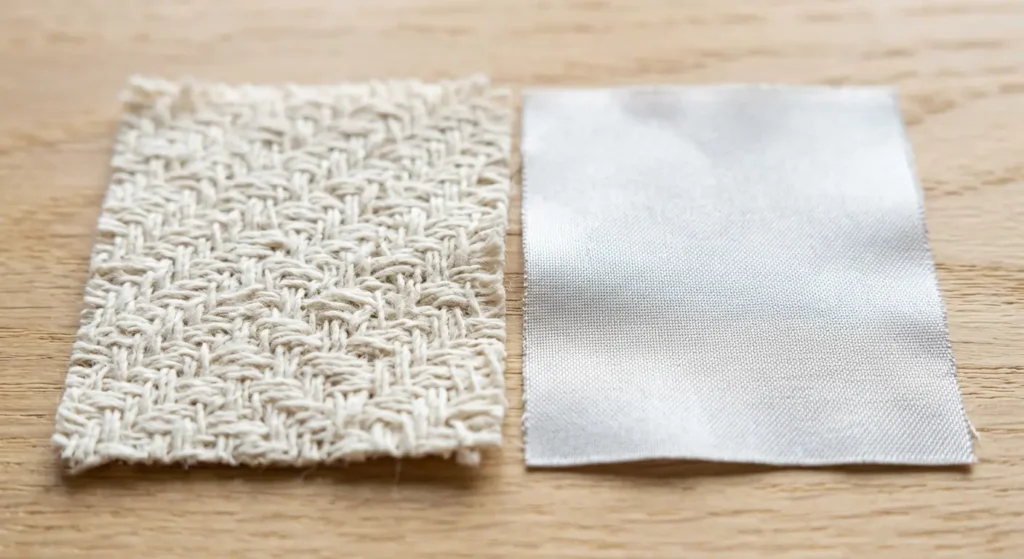
Cotton is a natural fiber harvested from the cotton plant. Its structure is breathable, soft against skin, and highly absorbent — qualities that make it a staple in garment making for centuries. You can explore the full range at our cotton fabric shop.
Polyester is a synthetic fiber made from petroleum-derived polymers. It's engineered for performance: it resists stretching, holds its shape, dries fast, and is significantly cheaper to produce at scale. Browse our polyester fabric collection to see the variety available.
Key structural differences
- Fiber origin: Cotton is plant-based and biodegradable; polyester is plastic-based and non-biodegradable.
- Weave behavior: Cotton grips a needle cleanly and feeds evenly through a machine. Polyester — especially woven varieties — can be slippery and shift during cutting.
- Heat tolerance: Cotton handles high iron temperatures well. Polyester melts or distorts above 150°C, so always use a low heat setting or press cloth.
Breathability, Comfort, and Wearability Compared
Cotton is the clear winner for everyday comfort. Its open fiber structure allows air to circulate and absorbs up to 27 times its weight in moisture — keeping wearers cool and dry in warm conditions. This is why it dominates in summer dresses, children's clothing, and casual tops.
Polyester, by contrast, does not absorb moisture — it repels it. In standard woven polyester, this can feel clammy in heat. However, performance polyester (such as moisture-wicking fabric) is engineered to pull sweat away from the skin and dry rapidly, making it ideal for gym wear and outdoor gear.
| Criteria | Cotton | Polyester |
|---|---|---|
| Breathability | Excellent | Poor to moderate |
| Moisture management | Absorbs moisture | Wicks moisture away |
| Durability | Good | Excellent |
| Shrinkage risk | High (pre-wash required) | Minimal |
| Ease of sewing | Beginner-friendly | Slippery; needs care |
| Eco-friendliness | Biodegradable | Non-biodegradable |
| Cost | Moderate to higher | Generally lower |
| Best use cases | Everyday wear, kidswear, quilting | Activewear, outerwear, lining |
Real-world example
A home sewer making school uniforms for her children chose 100% cotton poplin for the shirts and a cotton-polyester blend for the trousers. The shirts stayed soft and breathable through long school days, while the blend trousers resisted knee-wear and kept their shape through repeated washing — a practical split that used each fiber's strengths.
For projects where both breathability and structure matter, a 65/35 cotton-polyester blend is a reliable middle ground used widely in workwear and casual shirting.
Durability, Care, and Shrinkage: The Practical Realities
Polyester is the more durable fiber. It resists abrasion, holds color well, and does not shrink in the wash — a significant advantage for garments that need to survive heavy use or frequent laundering. It also resists wrinkles, which reduces ironing time.
Cotton, while durable in its own right, is prone to shrinkage — sometimes up to 5–10% if not pre-washed before cutting. Always pre-wash and dry cotton fabric at the temperature you intend to wash the finished garment. Skipping this step is one of the most common mistakes beginner sewers make.
Care at a glance
- Cotton: Machine wash warm or hot; tumble dry; iron on high. Pre-wash before cutting.
- Polyester: Machine wash cool or warm; low tumble dry; iron on low with press cloth. Avoid high heat at every stage.
Cotton is also more susceptible to mildew if stored damp, while polyester resists mold and is easier to store long-term. For quilters and fabric collectors storing yardage, this is worth factoring in.
Which Fabric Works Best for Which Projects?
Choosing between cotton and polyester comes down to the end use of your project. Here's a practical breakdown:
Choose cotton for:
- Summer tops, dresses, and shirts where breathability matters
- Kidswear and baby garments where skin sensitivity is a priority
- Quilting and patchwork projects
- Beginners who want a forgiving, easy-to-handle fabric
Choose polyester for:
- Activewear and gym wear — especially with moisture-wicking fabric or stretchy fabric finishes
- Outerwear linings and waterproof shell layers
- Costume and performance garments that need to hold shape under pressure
- Budget-conscious projects requiring large yardage
If you're working on a knit project and want the comfort of cotton with added structure, interlock fabric in cotton or cotton-blend is worth considering for its smooth finish and gentle stretch.
Making Your Decision: A Practical Summary
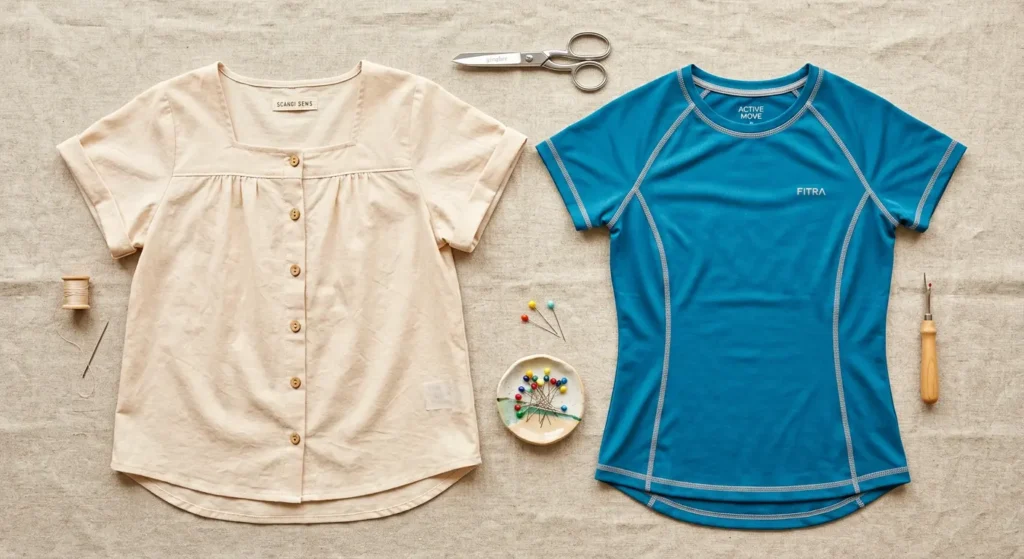
If you're sewing for comfort and everyday wear, cotton is the dependable choice — breathable, skin-friendly, and easy to work with at the machine. If you're building activewear, outerwear, or anything that needs to outlast hard use and frequent washing, polyester earns its place.
For many sewers, the real answer is blends. A cotton-polyester blend gives you softness and breathability from the cotton side, with the durability and shape retention of polyester — and it's often the most affordable option per yard. Our post on Cotton Vs Polyester Pros, Cons and When to Use Each goes deeper if you want to explore blend ratios and specific fabric weights.
If you're still deciding between fabric types for a specific pattern, our guide on How to Choose the Right Fabric for Digital Sewing Patterns is a useful next step.
Ready to find the right fabric for your project? Browse our full range of cotton fabrics and polyester fabrics at Global Fabric Wholesale — with no minimum order and worldwide shipping, it's easy to order exactly what you need.




 Login with Google