


Best Fabrics for Evening Dresses and Formal Wear
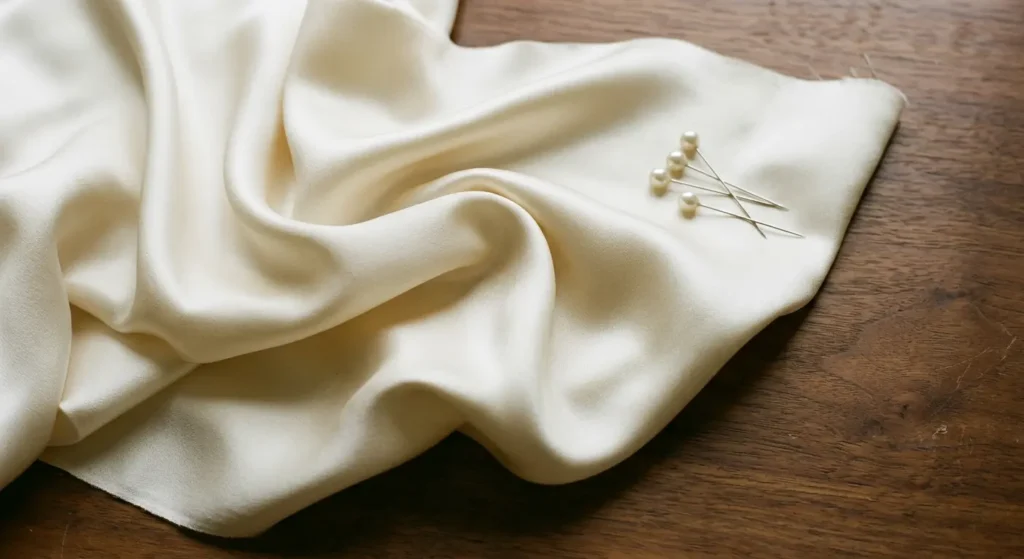
The best fabrics for evening dresses and formal wear are silk, jacquard, chiffon, viscose, and satin — each chosen for their drape, sheen, and ability to hold a structured or fluid silhouette. Your choice depends on the garment style, your budget, and how much sewing experience you have with slippery or textured materials. This guide breaks down each option so you can confidently match the right fabric to your formal wear project.
Silk: The Gold Standard for Formal Gowns
Silk fabric remains the benchmark for evening wear — its natural protein fibers produce a luminous sheen, exceptional drape, and a cool, breathable hand that synthetic alternatives struggle to replicate. Charmeuse and crepe de chine are the most popular silk weaves for gowns: charmeuse delivers a fluid, high-gloss finish ideal for bias-cut silhouettes, while silk crepe offers a matte, slightly textured surface that photographs beautifully and holds pleats well.
Silk is priced at a premium, but even a small yardage order goes a long way for a fitted bodice or a statement skirt panel. For a full-length gown, budget 4–6 yards depending on the pattern.
Sewing Tip
Always use a new fine needle (size 60/8 or 70/10), cut with sharp shears on a single layer, and press with a silk setting and pressing cloth to avoid water spots. For a deeper dive into how silk compares to its closest lookalike, see our guide on silk vs satin.
Jacquard and Brocade: Built-In Texture and Drama
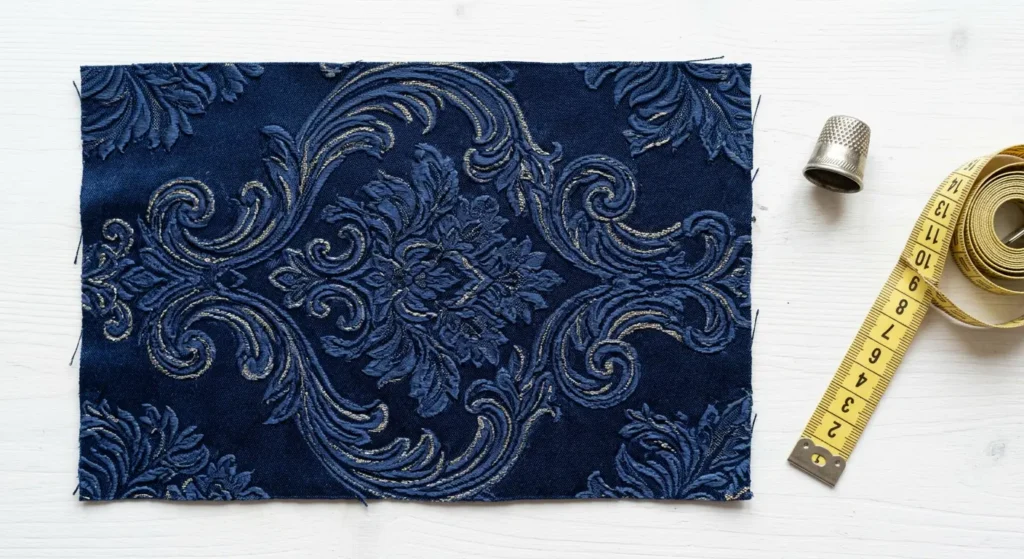
Jacquard fabric is woven on a special loom that creates intricate raised patterns — florals, damasks, geometric motifs — directly into the cloth. This makes it a standout choice for structured evening wear: fitted bodices, A-line skirts, and strapless gowns where the fabric itself does the decorative work without embellishment.
Brocade is a heavier jacquard variant with metallic threads woven in, adding an opulent quality suited to black-tie and occasion wear. Both fabrics typically weigh between 200–350 gsm, giving them enough body to hold shape without lining in many applications.
Real-World Example
For instance, an independent bridal designer sourcing for a small run of bridesmaid dresses might order 3–4 colourways of a floral jacquard by the yard — testing each colourway without committing to bulk minimums — before selecting the final palette. This is exactly the kind of flexible, low-minimum sourcing that Global Fabric Wholesale is built for. Browse our full range on the all fabrics shop to compare weights and patterns side by side.
Chiffon and Georgette: Sheer Elegance for Overlays and Sleeves
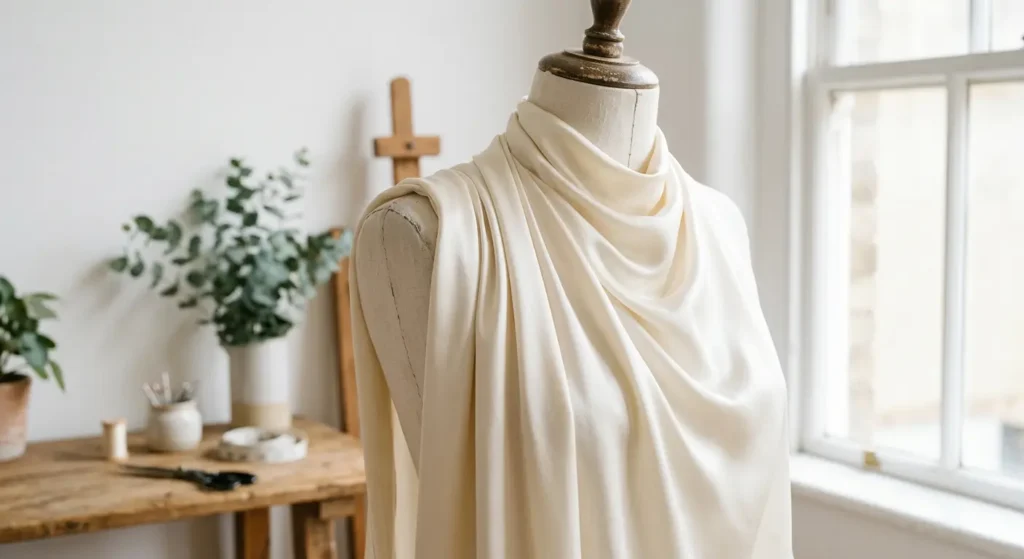
Chiffon and georgette are lightweight, semi-sheer wovens that add movement, romance, and layered dimension to formal wear. Polyester chiffon (typically 50–80 gsm) is the most accessible option — it's affordable, colour-fast, and widely available — while silk chiffon offers superior drape at a higher price point. Georgette has a slightly crinkled texture and more opacity than chiffon, making it better suited to standalone skirts and draped bodices.
These fabrics are most commonly used as overlay layers over a satin or silk base, for flutter sleeves, or for cape attachments on gowns. They require careful handling: use a rotary cutter on a cutting mat, pin within the seam allowance only, and sew with a French seam or narrow rolled hem to prevent fraying.
Weight Guidance
- 50–70 gsm: Best for sheer overlays and sleeves
- 75–100 gsm: Suitable for standalone skirts with a lining
If you're selecting fabric for a pattern that calls for a sheer layer, our guide to choosing fabric for digital sewing patterns can help you interpret the pattern's fabric recommendations accurately.
Viscose and Modal: Affordable Drape for Cocktail Dresses
Not every formal occasion calls for a floor-length gown. For cocktail dresses, midi-length styles, and smart evening separates, viscose fabric and modal fabric offer an excellent balance of drape, softness, and affordability. Both are semi-synthetic cellulosic fibres with a natural feel and a fluid hand that mimics silk at a fraction of the cost.
Viscose crepe — a crinkle-textured weave of viscose — is particularly popular for wrap dresses and slip-style evening wear because it skims the body without clinging. Modal is slightly softer and more resistant to shrinkage, making it a smart choice if the garment will be worn and washed repeatedly.
Real-World Example
A home sewer making a cocktail dress for a wedding guest outfit might choose a viscose crepe in a deep jewel tone — burgundy or forest green — to achieve a polished, draped look without the handling challenges of silk. At a typical weight of 120–160 gsm, viscose crepe requires no lining and sews up quickly on a standard machine. For a full breakdown of how these two fibres compare, read our post on cotton vs modal.
Choosing the Right Fabric for Your Formal Wear Project
| Criteria | Silk | Jacquard | Chiffon (Polyester) | Viscose | Satin |
|---|---|---|---|---|---|
| Drape | Excellent | Moderate | Excellent | Very Good | Very Good |
| Sheen / Formality | Luxurious | Rich / Textured | Sheer / Elegant | Soft / Subtle | High Gloss |
| Ease of Sewing | Moderate | Moderate | Challenging | Easy | Moderate |
| Cost | High | Medium–High | Low–Medium | Low–Medium | Low–Medium |
| Best For | Gowns, blouses | Structured bodices, skirts | Overlays, sleeves | Cocktail dresses | Linings, full gowns |
The comparison table above gives you a quick reference, but the final decision comes down to three practical factors: silhouette, skill level, and occasion formality.
- Structured silhouettes (fitted bodices, A-line skirts): Choose jacquard, brocade, or silk crepe for body and definition.
- Fluid silhouettes (bias cuts, wrap styles, draped gowns): Silk charmeuse, viscose crepe, or chiffon will give you the movement you need.
- Black-tie and bridal: Prioritise silk, brocade, or high-quality satin for maximum formality and sheen.
- Cocktail and smart evening: Viscose, modal, or polyester chiffon delivers elegance at a more accessible price point.
If you're newer to sewing with formal fabrics, viscose and modal are the most forgiving starting points — they don't fray as aggressively as chiffon and don't shift under the needle like silk. Once you're comfortable with drape and bias cutting, silk and jacquard open up a world of possibilities.
Browse the full selection of evening wear fabrics — filterable by weight, material, and drape — at Global Fabric Wholesale, with no minimum order and worldwide shipping so you can order exactly the yardage your pattern requires.




 Login with Google