


Best Fabric for Leggings: What to Look for Before You Cut a Single Yard

The best fabric for leggings is nylon-spandex for activewear, polyester-spandex for everyday wear, and cotton-spandex for lounging. Each blend handles stretch, sweat, and wash cycles differently — and the right one depends almost entirely on what you're making them for.
Below, you'll find recommendations broken down by use case, a GSM guide for choosing the right weight, and a quick checklist for buying leggings fabric by the yard.
The Quick Answer: Best Legging Fabrics at a Glance
If you know your use case, this table gets you to the right fabric fast.
| Fabric Blend | Best For | Stretch Type | GSM Range | Opacity |
|---|---|---|---|---|
| Nylon + Spandex | Yoga, running, activewear | 4-way | 180–220 | High |
| Polyester + Spandex | Casual, everyday wear | 4-way | 200–240 | Medium–High |
| Cotton + Spandex | Loungewear, light activity | 2- or 4-way | 200–260 | Medium |
| Bamboo + Spandex | Sensitive skin, sleepwear-adjacent | 4-way | 180–220 | Medium–High |
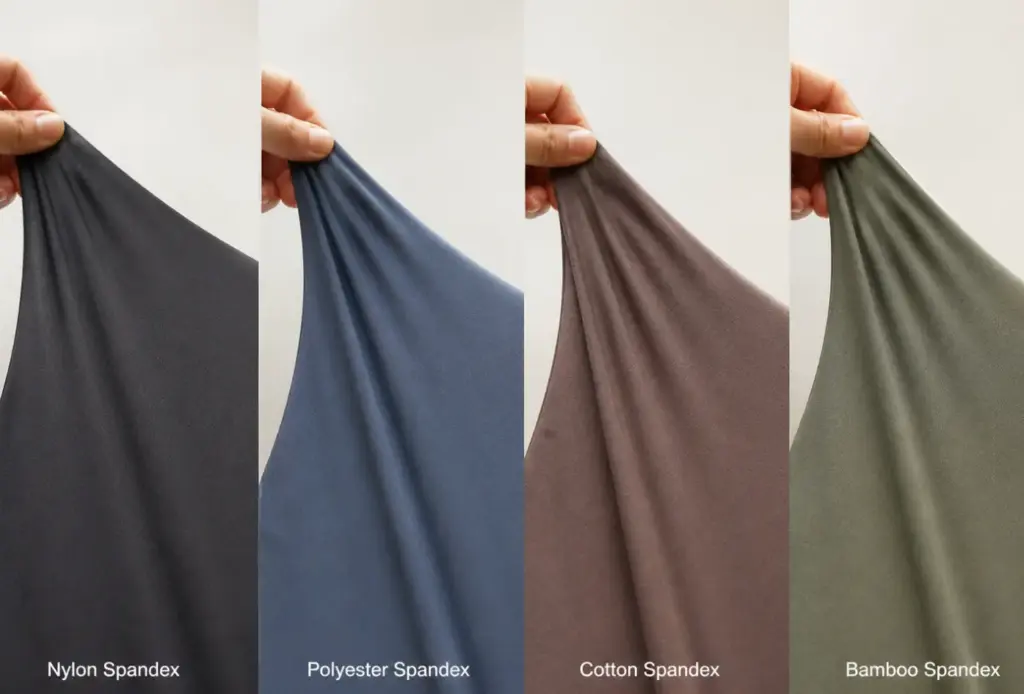
Not sure which category fits your project? Read on — the next four sections break each one down.
For Yoga and Activewear Leggings: Nylon-Spandex
Nylon-spandex is the strongest performer for high-movement leggings. It's the go-to blend for yoga pants, gym leggings, and any garment that needs to hold its shape through squats and stretches.
Why it works: Nylon has a naturally smooth, dense surface that resists pilling and holds dye well, while spandex (usually 15–25% of the blend) delivers the four-directional stretch that allows a full range of motion.
It also dries quickly and handles repeated washing without losing elasticity — a practical advantage for activewear that gets washed after every use.
What to look for: A fabric with 4-way stretch is essential here. This means the fabric stretches both along the grain and across it, which is what allows leggings to move with you rather than against you.
Browse fabrics with 4-way stretch to see which blends are available by the yard.
GSM range: 180–220 GSM. Lighter than 180 GSM tends to be too sheer for yoga; heavier than 220 GSM can feel restrictive during movement.
For Running and High-Impact Sports: Nylon or Polyester-Spandex
Both nylon-spandex and polyester-spandex work for running leggings, but they solve different problems.
Nylon-spandex is slightly softer against skin and handles chafing better on longer runs. Polyester-spandex wicks moisture slightly faster and is more resistant to UV degradation — a consideration for outdoor workouts.
Opacity matters most here: a fabric that's opaque at rest but turns sheer when stretched is one of the most common complaints in leggings sewing. To test before cutting, stretch a sample of the fabric against a white background in natural light.
GSM range: 200–220 GSM. This range gives enough body to stay opaque during movement without weighing down a runner's stride.
Fabrics with strong moisture-wicking properties are worth prioritizing if the leggings will be worn for sustained cardio.
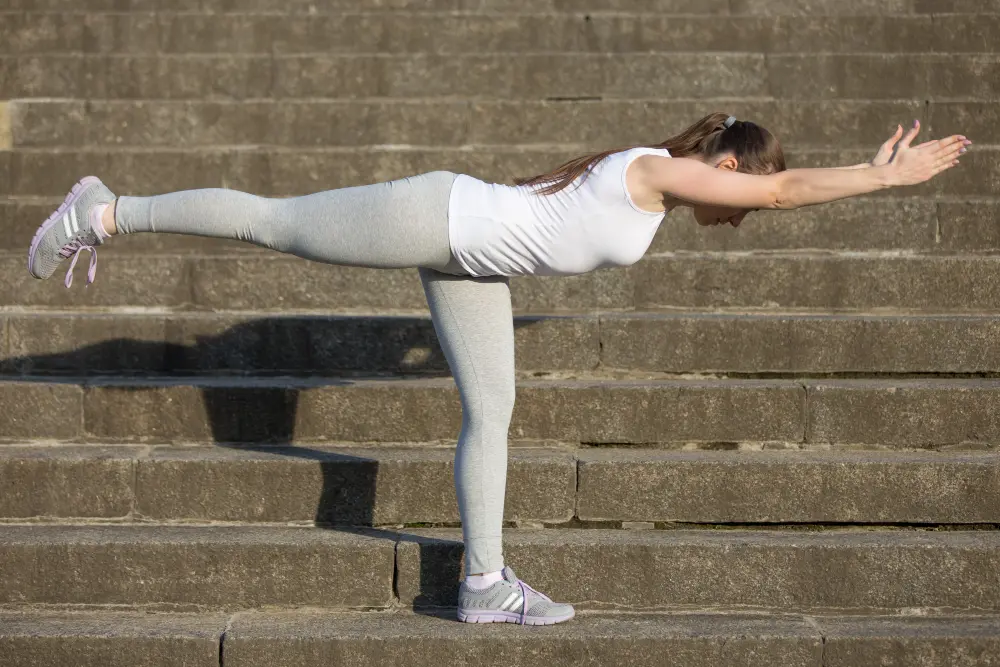
For Casual and Everyday Leggings: Polyester-Spandex
Polyester-spandex is the most practical choice for everyday leggings that aren't meant for heavy workouts. It's more affordable than nylon, holds color well over time, and is widely available in a broad range of weights and textures.
It's a particularly good choice if you're sewing leggings to match a specific outfit or color palette, since polyester takes dye consistently and the colors stay vibrant after washing.
The trade-off: polyester doesn't breathe as well as nylon against skin during exercise, and it can feel warmer in summer. For purely casual wear — running errands, working from home, layering under a dress — that's rarely a problem.
GSM range: 200–240 GSM. The higher end of this range gives everyday leggings a more structured, opaque look that holds up well when sitting and moving throughout the day.
For Loungewear and Sleep-Adjacent Leggings: Cotton or Bamboo-Spandex
If comfort and softness are the priority — think leggings for lounging at home, sleeping, or wearing during pregnancy or recovery — cotton-spandex and bamboo-spandex are both strong options.
Cotton-spandex feels familiar against skin and is easy to sew, making it a solid choice for beginners. It's breathable, but absorbs sweat rather than wicking it away — which matters for activewear but is fine for low-activity wear.
Bamboo-spandex is noticeably softer and has natural anti-microbial properties that keep it fresher between washes. It's a good pick for anyone with sensitive skin or for leggings that will be worn close to the body for long stretches.
Explore bamboo fabric options by the yard to see available weights and blends.
GSM range: 200–260 GSM. Loungewear leggings can carry more weight — a heavier cotton-spandex feels more substantial and less likely to pull out of shape.
What GSM Should Legging Fabric Be?
GSM (grams per square meter) is the weight of the fabric, and it affects opacity, structure, and how the finished leggings feel on the body. For leggings, the general rule is:
- Under 180 GSM: too sheer for most legging applications; better suited for base layers or sheer overlays
- 180–200 GSM: lightweight, suitable for yoga and pilates where breathability is key
- 200–220 GSM: the most versatile range — works for activewear, running, and casual wear
- 220–260 GSM: structured and opaque; best for casual, everyday, and loungewear leggings
For a deeper breakdown of how GSM affects sewing decisions across different fabric types, see Fabric Weight Explained: How to Read GSM Like a Pro.
What Else to Look for When Buying Legging Fabric by the Yard
4-Way Stretch Is Non-Negotiable
Leggings need to stretch in four directions — lengthwise, crosswise, and both diagonals. A 2-way stretch fabric will feel restrictive through the seat and thigh during movement, even if it feels fine when you hold it up.
Always check whether a fabric is labeled 2-way or 4-way before purchasing. When in doubt, stretch a corner of the fabric diagonally — if it gives, it's likely 4-way.
Check for Recovery
Recovery is the fabric's ability to spring back to its original shape after being stretched. A fabric with poor recovery will bag out at the knees and seat after a few wears. To test, stretch a section firmly for 10 seconds and release — it should return to its original dimensions almost immediately.
Test Opacity Before Cutting
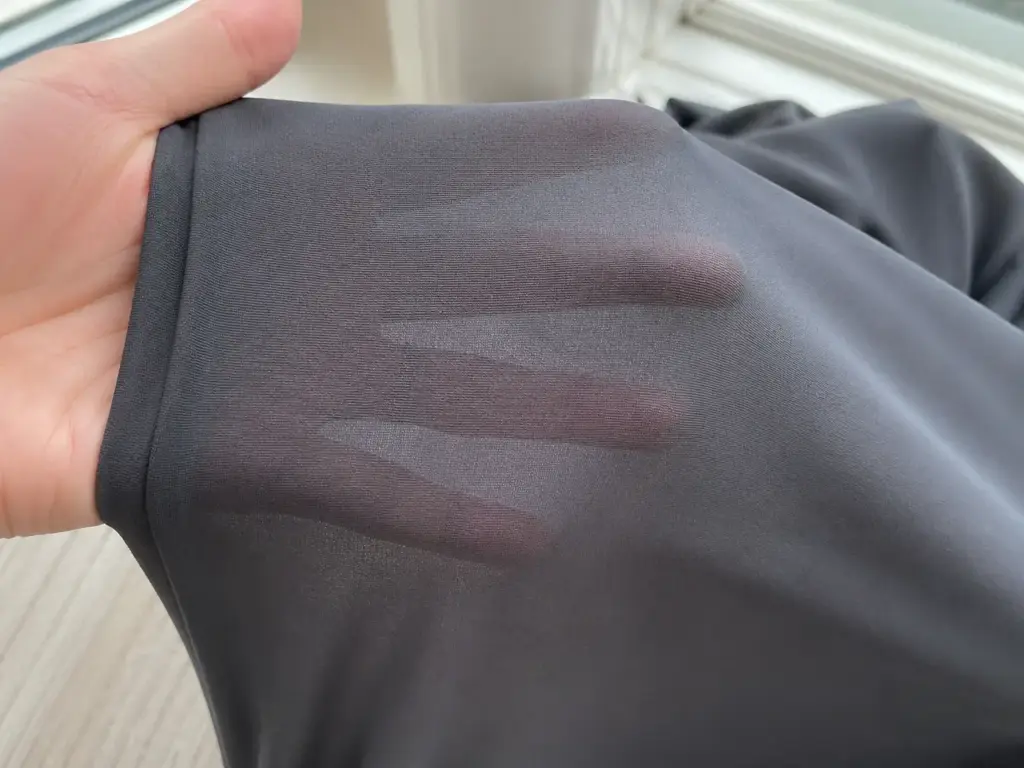
Stretch the fabric over a white piece of paper or your hand in natural light. If you can see through it under stretch, the finished leggings will too. This is the single most common oversight in legging construction.
For a full overview of stretch fabrics available for garments like leggings, browse the legging fabric collection and filter by weight and stretch type.
The spandex (elastane) content in a fabric directly determines its stretch and recovery. According to the Textile Exchange Preferred Fiber & Materials Report, elastane blends are among the fastest-growing fiber categories in performance apparel — a reflection of how central stretch has become to modern garment construction.
From Our Experience
Sewists who come back for leggings fabric most often mention two things: they want a fabric that doesn't go see-through when they move, and they want it to bounce back after washing. Both of those point to the same solution — a fabric with a tight, high-recovery spandex blend and a GSM that gives it enough body to stay put.
Frequently Asked Questions
Is cotton good for leggings?
Cotton-spandex works well for low-activity leggings — loungewear, everyday errands, casual wear. Pure cotton without spandex doesn't have enough stretch or recovery for fitted leggings. Look for a blend with at least 5–10% spandex for wearable results.
How much spandex should legging fabric have?
For most legging applications, a blend with 15–25% spandex gives a good balance of stretch, recovery, and structure. Blends above 25% spandex are very stretchy but can feel thinner and may require more careful needle and stitch selection when sewing.
Can I use jersey fabric for leggings?
A single jersey with enough spandex content (at least 10–15%) can work for casual leggings, but it typically has less compression and recovery than a dedicated performance knit. It's a reasonable option for relaxed-fit loungewear leggings — less so for fitted activewear.
What's the difference between 2-way and 4-way stretch for leggings?
2-way stretch means the fabric stretches in one direction (usually crosswise). 4-way stretch means it stretches both crosswise and lengthwise. Leggings need 4-way stretch — without lengthwise give, the fabric will pull and feel tight through the back of the knee when you bend.
Choosing the right blend for your leggings comes down to one question: what will these actually be used for? Match the fabric to the activity level, confirm the GSM and stretch direction before cutting, and you'll get a finished legging that holds its shape wash after wash.
Browse our full range of stretchy fabrics by the yard — filter by weight and fiber content to find the right fit for your project.



 Login with Google