


The Best Linen Fabric for Summer Dresses
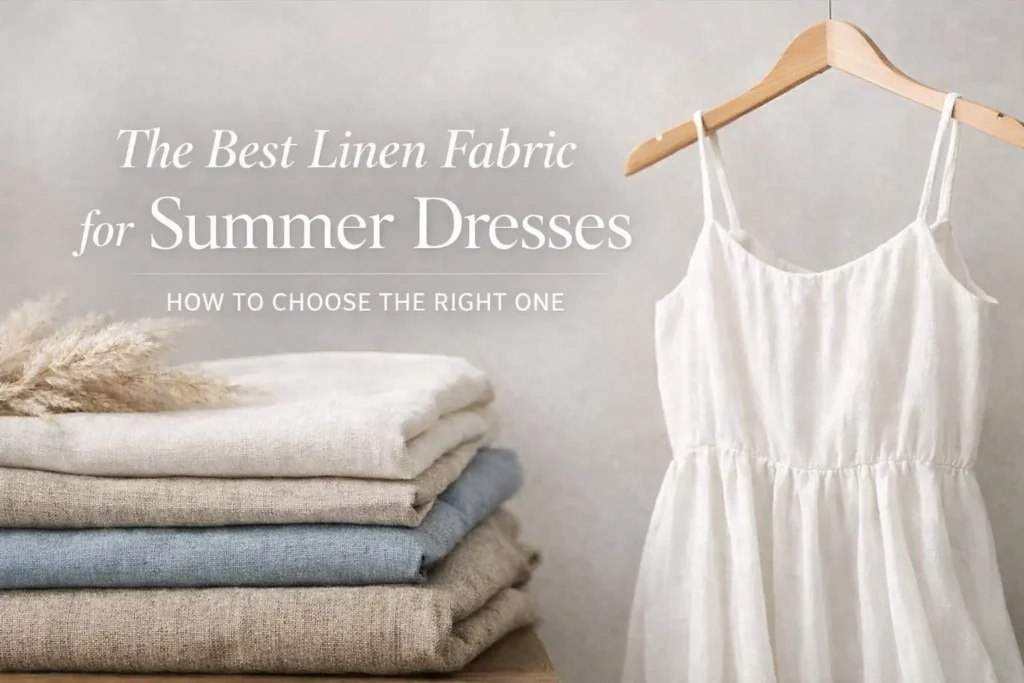
Linen is one of those fabrics people come back to every summer for good reason. It feels light, lets air move, and has that slightly relaxed texture that makes even a simple dress look effortless. But choosing the best linen fabric for dresses is not just about picking a fabric labeled “linen.” For summer dresses, the real difference comes down to weight, drape, softness, breathability, and the amount of structure you want in the final look.
Some linens feel soft from the start, while some have a crisper hand. Some types are perfect for loose sundresses, while others are better suited to more structured styles. If you want to compare different linen fabrics or browse dress fabrics for specific silhouettes, knowing a few basics first can help you avoid choosing a fabric that looks right on the bolt but does not work as well once it is made up.
Main Types of Linen Fabric
For summer dresses, the most useful way to think about linen is by weight and finish.
- Lightweight options: Better for breezy, relaxed dresses and very hot weather, but lighter colors may feel a little sheer.
- Light- to medium-weight options: Often the easiest choice for everyday summer dresses because they balance comfort, coverage, and shape.
- Medium-weight options: Better for dresses that need a little more body, such as shirt dresses or simple A-line styles.
- Washed or softened finishes: Usually feel gentler from the start and suit relaxed, easy-to-wear dresses.
Common Linen Blends for Summer Dresses
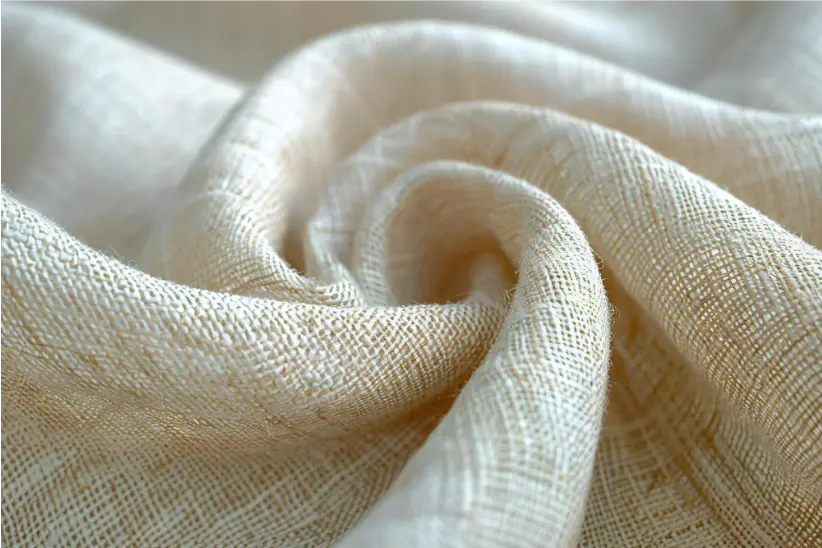
If pure linen feels too crisp, too wrinkle-prone, or not quite right for the style you want, blends are often worth considering. They can make summer dress fabric softer, drapier, or easier to wear.
- Cotton blends: Blends with cotton are usually softer and easier to wear, which makes them a good choice for casual everyday dresses.
- Rayon or viscose blends: Better for softness and drape, so they often suit wrap dresses or fuller styles.
- Lyocell blends: Often feel smooth and fluid, with a softer finish than pure linen.
- Silk blends: Less common, but useful if you want something lighter and a little more refined.
The easiest way to think about blends is this: if you want a softer dress with more movement, a blend may be the better choice. If you want a more classic, natural look, pure linen is often the better place to start. Here is a quick side-by-side guide to the main options.
| Fabric Type | Feel | Best For | Watch For |
| 100% Linen | Crisp to balanced | Shirt dresses, A-line dresses, classic summer styles | Wrinkles more easily |
| Linen-Cotton Blend | Softer, easier | Casual everyday dresses | Less classic linen texture |
| Linen-Rayon / Viscose Blend | Softer, drapier | Wrap dresses, tiered dresses | Less structure |
| Linen-Lyocell Blend | Smooth, fluid | Relaxed dresses, softer silhouettes | Can feel less crisp |
| Washed Linen | Soft, relaxed | Easy sundresses, casual summer dresses | Less defined shape |
Why Linen Works So Well for Summer Dresses?
Linen is a favorite for summer dresses, not just because it looks good, but because it wears well in warm weather too. Its appeal usually comes down to a few practical qualities that make a real difference once the dress is worn.
- It feels breathable in hot weather. One of the main reasons people choose linen for summer dresses is that it feels cooler and more comfortable when the temperature rises.
- It stays comfortable on warm days. Linen absorbs moisture well, which helps it feel fresher and less heavy in summer.
- It gives dresses a natural texture. Even simple styles can look more relaxed and polished because of linen’s slightly lived-in surface.
- It can add shape without feeling too heavy. The right option can help a dress hold its form while still feeling easy to wear in warm weather.
- It works across different summer styles. Depending on the finish and blend, it can suit everything from loose sundresses to more defined day dresses.
How to Choose the Right Linen Fabric?
When shopping for linen for a dress, most people are not comparing technical fabric specs. They are usually asking simpler questions: Will it feel cool enough for summer? Will it be too stiff or too thin? Will it work for the style I want to make? That is the most useful way to choose. Rather than focusing on small technical differences, start by thinking about how you want the finished dress to look and feel.
Start with the Dress Shape
Before looking at all the fabric details, think about the kind of dress you want to make. A relaxed style, a wrap dress, and a more structured dress will not need the fabric to behave in the same way.
Check Whether the Fabric Looks Soft or Crisp
This is often easier to judge than trying to understand weight numbers. Some fabrics are described as washed, softened, or fluid, which usually means they will feel gentler and move more easily. Others are described as crisp, structured, or more classic, which usually means they will hold shape better.
Pay Attention to How Sheer It Looks
For summer dresses, this matters a lot. Very light colors or lighter fabrics can look beautiful, but they may need lining or extra layering. If you want an easy, everyday dress, it is often safer to choose something with enough coverage on its own.
Consider How Much Drape You Want
If you like dresses that fall softly and move easily, blends with rayon, viscose, or lyocell are often a better choice. If you prefer a more natural, slightly structured look, 100% linen or a cotton blend may suit you better.
Be Honest About Wrinkles
Some people love the relaxed look of natural creasing, and some do not. If you want the classic look and feel, pure linen is often the right choice. If you want something a little easier to wear day to day, a blend may feel less fussy.
Read the Product Description Closely
Buyers usually get the best clues from the language a store uses. Words like soft, washed, airy, fluid, breathable, crisp, or structured often tell you more than numbers do. Good product descriptions can also help you tell whether a fabric is better for loose dresses, everyday styles, or more structured styles.
Which Linen Fabric Is Right for Your Dress?
Not sure how to make sense of all the fabric details? A simpler way to choose is to start with the dress style you love. Different dresses suit different kinds of fabric, so this can often be the easiest way to narrow down the right option.
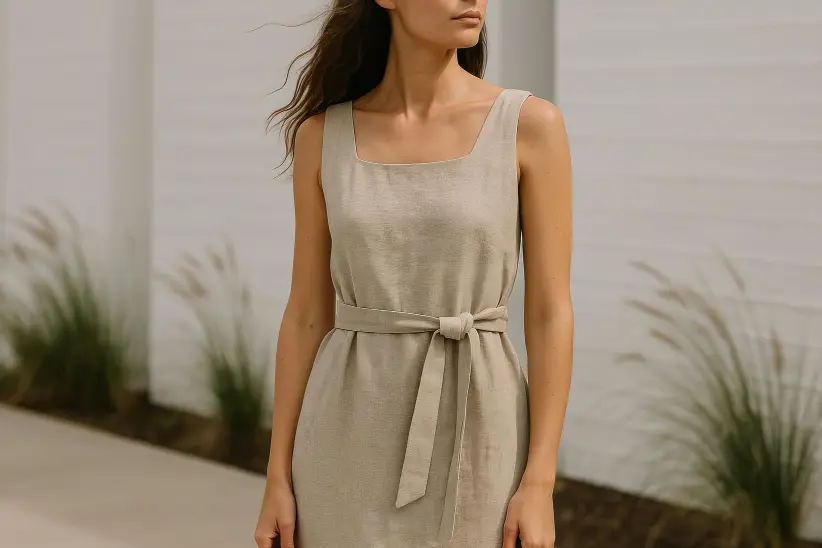
Beach dresses and easy sundresses: Softer, lighter options usually work best. These styles look better in fabric that feels airy, relaxed, and easy to move in. Washed linen and softer blends are often a good fit, especially if you want that breezy summer look.
Shirt dresses: Choose something with a little more body. Shirt dresses usually need enough structure to hold details like collars, button fronts, or a cleaner silhouette. Pure linen or cotton blends are often a better choice than very drapey blends.
Wrap dresses: Softer fabrics with more drape are usually the best option. A wrap dress is meant to fall closer to the body, so fabric that moves easily tends to look more natural and flattering. Blends with rayon, viscose, or lyocell often work well here.
A-line dresses: Look for a balanced option that is not too stiff and not too soft. This style usually works best in fabric that can hold a little shape while still feeling comfortable in warm weather. Medium-weight pure linen or cotton blends are often a safe choice.
Tiered dresses and gathered dresses: Softer fabrics are usually easier to wear. When a dress already has volume, a crisp fabric can make it feel bulky. Something with a gentler drape will usually help the shape fall more naturally.
Slip dresses or simpler draped styles: Choose a softer blend rather than a crisp, structured option. These styles usually look better in fabric that skims the body a little more easily.
More structured summer dresses: If the dress has shaping, seams, or a more tailored look, a fabric with more body will usually work better. Pure linen often gives that cleaner, more defined finish.
Closing Thoughts
Choosing linen for a summer dress does not have to feel complicated. Once you know what kind of dress you want to make — something breezy and relaxed, or a style with a little more shape — the right fabric becomes much easier to spot. A softer option may feel better for easy everyday dresses, while a fabric with more body may suit cleaner, more structured styles.
In the end, the best choice is simply the one that will feel good to wear and work well for the dress you have in mind. A little clarity at the start can save a lot of second-guessing later.
Ready to Find the Right Linen for Your Dress?
At Global Fabric Wholesale, you can explore a range of linen fabrics for summer dressmaking, including classic 100% linen and blends with a softer or more fluid feel.
Still comparing options for different dress styles? Browse our dress fabrics to find materials suited to everything from relaxed sundresses to more polished everyday styles.





 Login with Google