


Cashmere vs Wool: The Ultimate Comparison Guide for Your Next Sewing Project
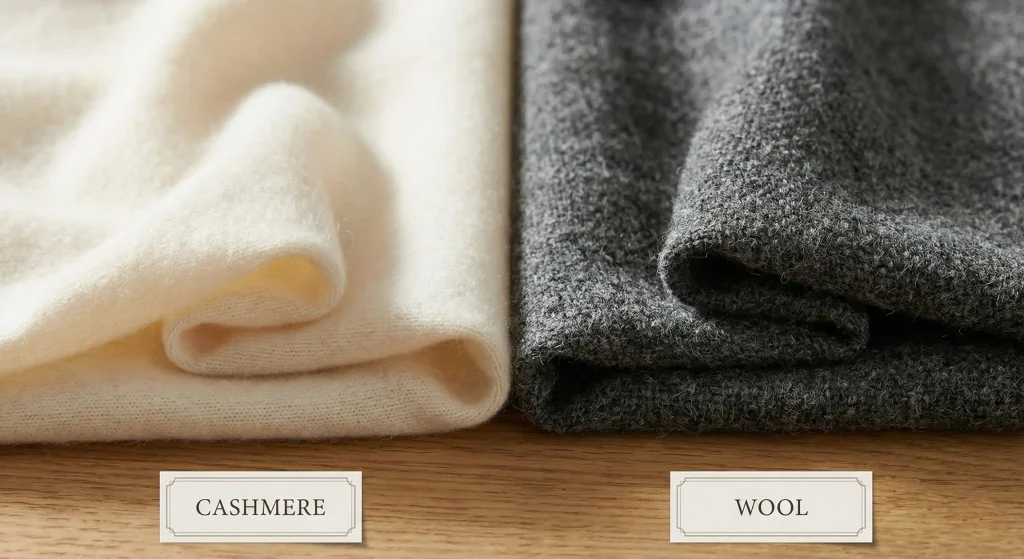
For sewing enthusiasts planning to create high-quality winter garments, selecting the right fabric is crucial. Natural protein fibers, particularly cashmere and wool, are often preferred choices as they offer an excellent balance between luxurious feel and practicality. While both fabrics are renowned for their exceptional warmth, they differ significantly in terms of sewing experience and wearability.
Although high-end merino wool and cashmere fabrics may appear similar, differences in structural characteristics such as fiber diameter and scale density directly impact the drape and durability of the fabric. Whether you're crafting a structured coat or pursuing an exceptionally soft shawl, understanding the unique properties of these materials is crucial. This article will explore their technical distinctions, helping you choose the most suitable fabric for your next DIY project.
Where Do They Come From?
Cashmere and wool are both natural fibers, but their sources and production processes differ significantly. While both are natural animal proteins, they are harvested from different species and distinct layers of the animal's coat.
Wool fabric is the textile fiber obtained from sheep (Ovis aries). While there are many breeds, the most popular for apparel is the Merino sheep, prized for its crimp and elasticity. Wool is typically obtained by shearing the animal, which removes the entire fleece. This fleece includes both the coarse outer guard hairs and the softer undercoat, though high-quality textile wool is processed to remove the coarser hairs.
Cashmere fabric, on the other hand, comes specifically from the Cashmere goat (Capra hircus). It is not the outer coat, but rather the soft, downy undercoat that grows close to the animal's skin, protecting it from harsh winter climates. Unlike sheep, which are sheared, cashmere goats naturally shed this undercoat during the spring molting season. The fibers are traditionally collected by combing the goats by hand, a labor-intensive process that yields a much smaller amount of fiber per animal compared to wool.
Cashmere vs Wool: Which One Is Warmer?
Is cashmere warmer than wool? Yes, cashmere is warmer. Cashmere fibers are incredibly fine and have a natural crimp that creates tiny air pockets when woven or knitted. These pockets trap body heat effectively, allowing a lightweight cashmere sweater to provide the same warmth as a much heavier, chunky wool garment. Studies generally suggest that high-quality cashmere can be up to eight times warmer than standard wool.
But that doesn't mean the wool isn't good enough. Wool holds its own unique advantages in thermal regulation. Because wool fibers are generally thicker, they are robust and excellent at blocking wind. Wool also retains its insulating properties even when wet, thanks to the lanolin content and fiber structure.
Choosing the Right Fabric for Your Project
Since these fibers behave differently, selecting the right one depends entirely on the silhouette and function of the garment you intend to sew.
When to Choose Wool
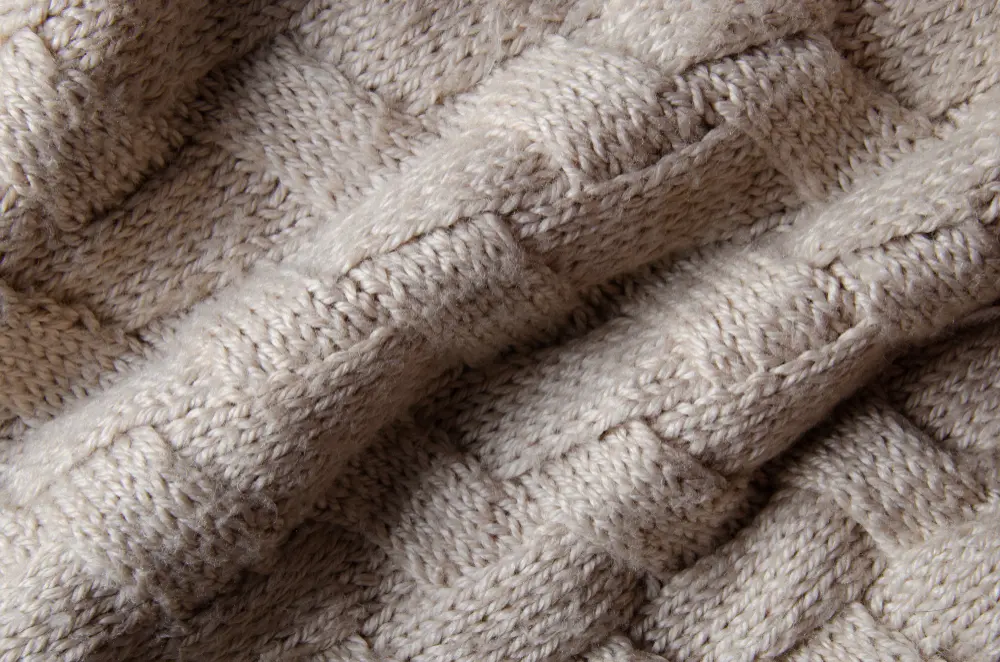
Wool is the architectural fiber. It has "memory" and elasticity, meaning it holds its shape exceptionally well. This makes it the superior choice for tailored garments that require structure, such as trousers, blazers, and pleated skirts. If your pattern features crisp collars, sharp lapels, or heavy interfacing, wool will support these details without collapsing. For sewers tackling winter outerwear, the density found in luxury coating fabrics provides the necessary weight to maintain a coat’s structure while offering superior wind resistance.
When to Choose Cashmere
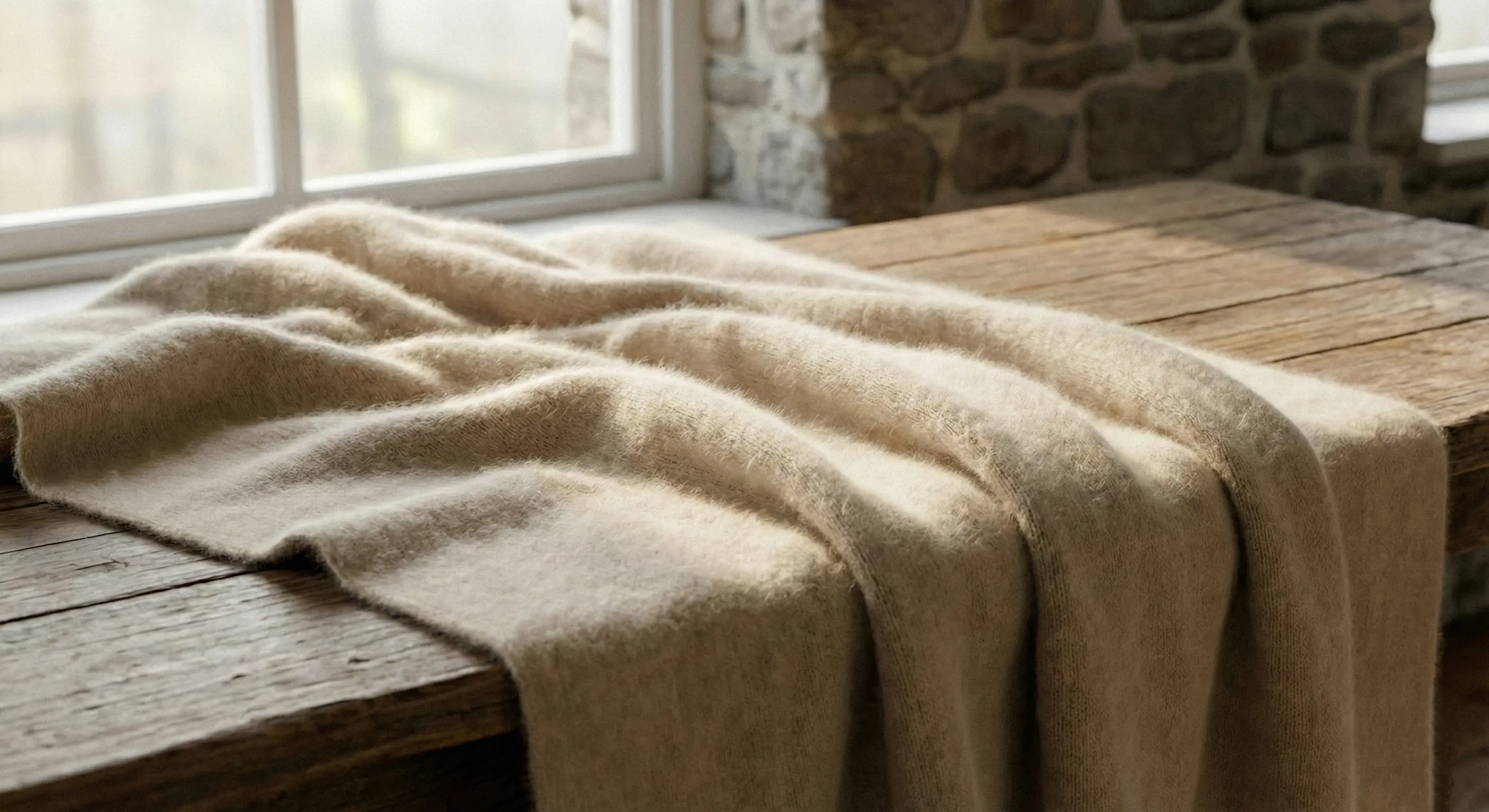
Cashmere is a fluid fiber. It has excellent drape but lacks the structural memory of wool. It is best suited for garments that flow over the body rather than those that need to hold a rigid shape. Choose cashmere for cowls, wraps, cardigans, and scarves—any item where the fabric will be in direct contact with the skin (to maximize the softness benefit) and where movement is desired over structure.
| Type | Cashmere | Wool |
| Origin | From the undercoat of cashmere goats | From the fleece of sheep |
| Softness | Extremely soft and luxurious | Soft, but generally coarser than cashmere |
| Warmth | Very warm, ideal for cold climates | Warm, but more breathable than cashmere |
| Durability | Less durable, requires careful handling | Durable, resistant to wear and tear |
| Breathability | Less breathable, best for dry, cold weather | Highly breathable, good for all seasons |
| Maintenance | High-maintenance, needs gentle care | Easier to care for, machine washable in many cases |
| Cost | Expensive | Affordable |
| Best for | Light, drapey garments like scarves, shawls | Structured garments, outerwear, sweaters |
Why is Cashmere So Expensive?
Before planning your project budget, it is important to understand the economics behind the price of cashmere vs wool. The disparity is not just about branding; it is about scarcity and processing difficulty.
A single sheep can produce enough wool to make four or five sweaters annually. In contrast, a cashmere goat produces only a few ounces of usable fiber per year. It takes the fiber from approximately four goats to create just one cashmere sweater. Additionally, cashmere harvesting is time-sensitive and labor-intensive, often requiring hand-combing during the molting season rather than mechanical shearing. This low yield and high labor cost make cashmere a true investment textile.
Sewing with Wool vs Cashmere
The process of sewing with wool vs cashmere requires specific adjustments to your equipment and handling techniques. Ignoring these differences can lead to ruined fabric or amateurish finishes.
Preparation and Cutting
Wool: Most wool fabrics are forgiving, but check for a "nap" (directional pile). If the wool is thick, you must cut in a "single layer" rather than on the fold to avoid shifting.
Cashmere: Cashmere almost always has a distinct nap. You must use a "with nap" layout—meaning all pattern pieces must face the same direction (usually running down the leg or body). If you flip one pattern piece to save fabric, that panel will look a different shade of color in the light.
Machine Setup
Wool: Use a Universal 90/14 or Jeans needle for thicker coatings. A Walking Foot is essential to feed heavy layers evenly and prevent the top layer from stretching out. Increase your stitch length to 3.0mm to accommodate the bulk.
Cashmere: Switch to a fresh Microtex or Ballpoint needle (size 70/10 or 80/12). Cashmere fibers are delicate; a blunt or large needle can punch holes or cause snags. Use a standard stitch length (2.5mm).
Seam Management
Wool: Thick wool seams create bulk. Therefore, it is best to trim seam allowances to different widths to ensure the finished garment lies flat.
Cashmere: Cashmere frays easily but shouldn't be overlocked (serged) if you want a luxury finish. Hong Kong seams (binding the edges with bias tape) are the preferred method for unlined cashmere garments.
Pressing and Steam
Wool: Wool loves steam. To get flat, crisp seams on a wool coat, use a Tailor’s Clapper (a wooden block) immediately after steaming to trap the heat and flatten the bulk.
Cashmere: Be extremely careful. Use low pressure and always use a press cloth (silk organza or cotton). Never press directly on the fabric face, as it will crush the pile and leave permanent shiny iron marks.
Frequently Asked Questions
Is cashmere warmer than wool?
Yes. Cashmere is significantly warmer than standard wool, often cited as providing up to eight times more insulation. This is because cashmere fibers are finer and have a high natural crimp, which traps air more effectively. This allows cashmere to provide superior warmth with much less weight and bulk than wool.
Can I wash cashmere and wool in the washing machine?
It is risky. Standard wool and cashmere will shrink and felt if exposed to heat or agitation in a machine. Unless the fabric is specifically labeled "Superwash," you should always hand-wash these natural fibers in cool water with a pH-neutral wool detergent or take them to a dry cleaner.
Where can I buy Cashmere and Wool fabrics for DIY projects?
You can source from specialized apparel fabric retailers (online stores or local mill surplus warehouses). When buying online, look for vendors that explicitly list the fabric weight (GSM) and composition. Always prioritize shops that offer sample swatches so you can verify the texture and drape before purchasing full yardage.
Can I mix Cashmere and Wool in a single project?
Yes, combining cashmere and wool can balance softness and durability, suitable for garments like sweaters and jackets.
Which one is best for DIY knitting or sewing?
Merino wool is ideal for knitting or sewing due to its softness and elasticity. For thicker garments, consider lamb’s wool.
Conclusion
Choosing between cashmere and wool depends on your project’s needs, budget, and desired outcome. If you wish to create winter outerwear such as coats or pants, wool is the ideal choice. If you desire soft, warm, and textured scarves or cardigans and are willing to care for the fabric meticulously, then cashmere is the way to go. Whether you are looking for heavy coatings or lightweight knits, sourcing premium garment fabrics from a trusted supplier ensures your handmade creations will stand the test of time.




 Login with Google