


Best Cotton Fabric for T-Shirts: A Complete Guide

For most t-shirts, cotton jersey knit is the go-to fabric — it's lightweight, breathable, and has just enough stretch to move with the body without distorting. If you want a more structured tee, cotton interlock offers a smoother, denser finish, while cotton rib is ideal for fitted styles and trim details. Knowing which cotton knit suits your project saves time, money, and frustration at the cutting table.
| Feature | Cotton Jersey | Cotton Interlock | Cotton Rib |
|---|---|---|---|
| Weight | Light (120–180 gsm) | Medium (180–220 gsm) | Light–Medium (150–200 gsm) |
| Stretch | 2-way | 2-way (stable) | 4-way (high) |
| Drape | Fluid | Structured | Clingy/Form-fitting |
| Finish | Smooth face, looped back | Smooth both sides | Ridged texture |
| Best For | Classic tees, basics | Kids' tees, structured tops | Cuffs, neckbands, fitted tees |
| Skill Level | Beginner–Intermediate | Beginner | Intermediate |
Why Cotton Is the Default Choice for T-Shirts
Cotton dominates t-shirt production for good reason: it's naturally breathable, soft against the skin, and easy to sew. It regulates temperature well, making it comfortable in warm weather and layerable in cooler months. Cotton also accepts dye readily, which is why it's available in such a wide range of colours and prints.
From a sewing perspective, cotton knits are more forgiving than synthetic alternatives — they don't slip on the cutting mat, press cleanly with a steam iron, and respond well to a standard ballpoint needle. If you're comparing cotton to synthetic options, our post on cotton vs polyester: pros, cons and when to use each breaks down the trade-offs in detail.
For t-shirt making specifically, you want a knit fabric — not a woven. Wovens lack the stretch needed for a comfortable, pull-on fit. Browse the full range of cotton fabric by the yard to see available weights and constructions.
The Three Main Cotton Knits for T-Shirts
Cotton Jersey
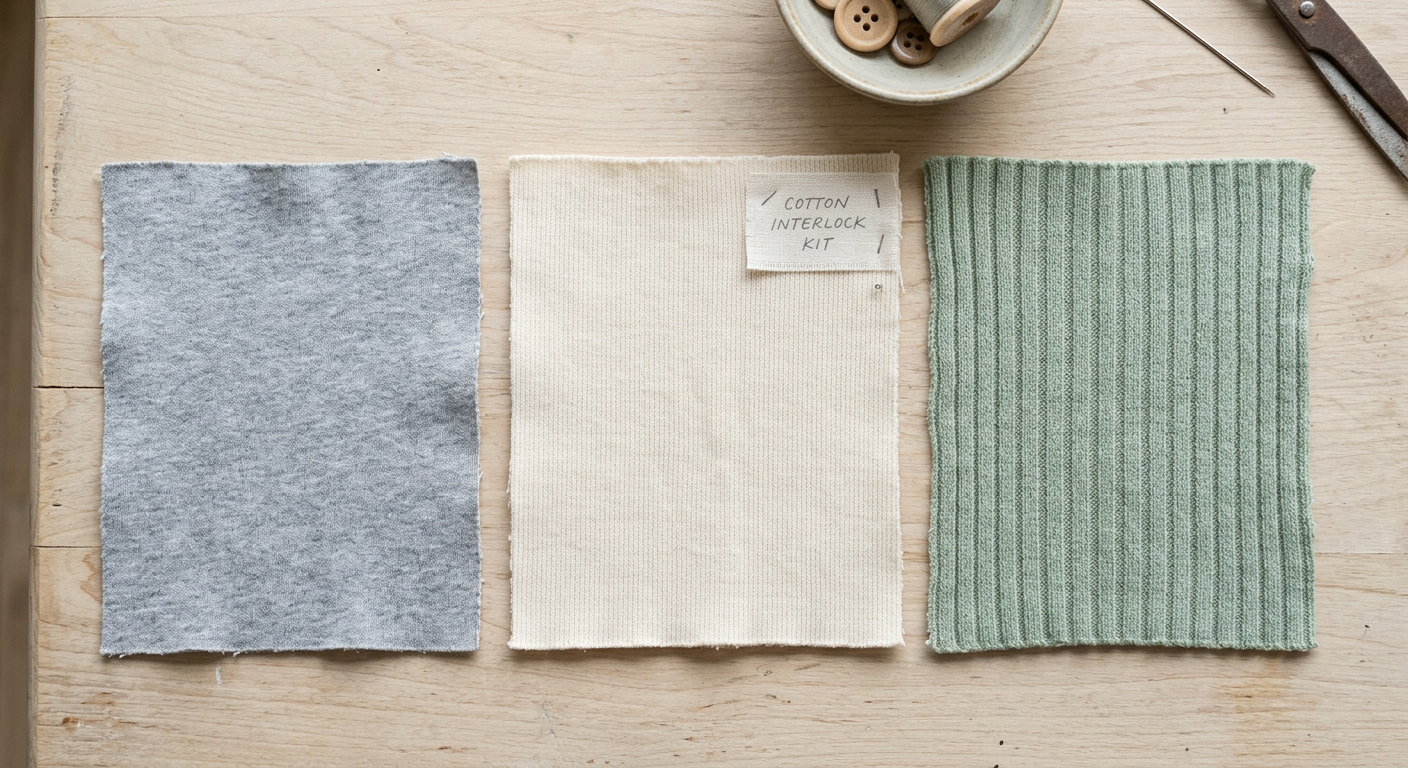
Jersey is the most common t-shirt fabric. It has a smooth face, a slightly looped or textured back, and a natural 2-way stretch across the width. Weights typically range from 120 to 180 gsm — lighter weights (120–150 gsm) suit summer tees and draped styles, while heavier jersey (160–180 gsm) gives a more premium, structured feel.
Cotton Interlock
Interlock fabric is knitted from two layers of jersey locked together, giving it a smooth finish on both sides and a denser, more stable hand. It's less prone to curling at the edges — a major advantage for beginners — and holds its shape wash after wash. It's an excellent choice for children's t-shirts and everyday basics.
Cotton Rib
Rib knit fabric has a distinctive ridged texture and exceptional stretch in both directions. It's rarely used for full t-shirt bodies but is essential for neckbands, cuffs, and hem bands. Fitted, body-conscious tees are sometimes cut entirely in rib for a sleek, stretchy result.
How to Choose the Right Weight and Stretch
Fabric weight (gsm) and stretch percentage are the two most practical specs to check before buying t-shirt fabric.
- 120–150 gsm: Lightweight, ideal for warm-weather tees and relaxed, drapey silhouettes. Works well for women's fitted styles.
- 160–180 gsm: Mid-weight, the sweet spot for most unisex and men's t-shirts. Holds shape without feeling heavy.
- 180–220 gsm: Heavier cotton knit — better suited to sweatshirt-weight tops or structured kids' garments.
For stretch, aim for at least 50% horizontal stretch for a standard t-shirt pattern. Most jersey and interlock fabrics meet this threshold. If your pattern calls for 75% or more stretch, check the fabric spec carefully or look at options in the stretchy fabric category.
For example, an independent designer producing a small run of women's fitted tees might choose a 150 gsm cotton jersey with 60% stretch — light enough to drape well but stable enough to sew consistently across a batch of 30 units.
Cotton Blends Worth Considering
Pure cotton is excellent, but blends can improve performance in specific use cases.
Cotton/Modal Blends
Adding modal to cotton produces a noticeably softer, more fluid fabric that resists pilling and retains colour better over time. A 50/50 or 60/40 cotton-modal blend is a popular choice for premium basics and loungewear-adjacent tees. See our full breakdown of cotton vs modal: which is softer and more breathable?
Cotton/Polyester Blends
A classic 50/50 or 60/40 cotton-poly blend is more durable and less prone to shrinkage than 100% cotton. It's a practical choice for printed tees or workwear where dimensional stability matters. The trade-off is reduced breathability compared to pure cotton.
Cotton/Elastane (Spandex) Blends
Adding 5–8% elastane gives cotton jersey excellent recovery — the fabric bounces back after stretching rather than bagging out. This is particularly useful for fitted t-shirts, athletic-inspired styles, and kids' tees that need to withstand active wear. Pair this with a look at moisture-wicking fabric options if you're making performance tees.
Practical Tips Before You Buy and Sew
A few practical checks before cutting into your fabric will save significant rework later.
- Pre-wash before cutting: Cotton knits can shrink 3–8% on the first wash. Always pre-wash and dry using the same method you'll recommend for the finished garment.
- Use a ballpoint or stretch needle: A size 75/11 or 90/14 ballpoint needle slides between knit loops rather than piercing and breaking fibres.
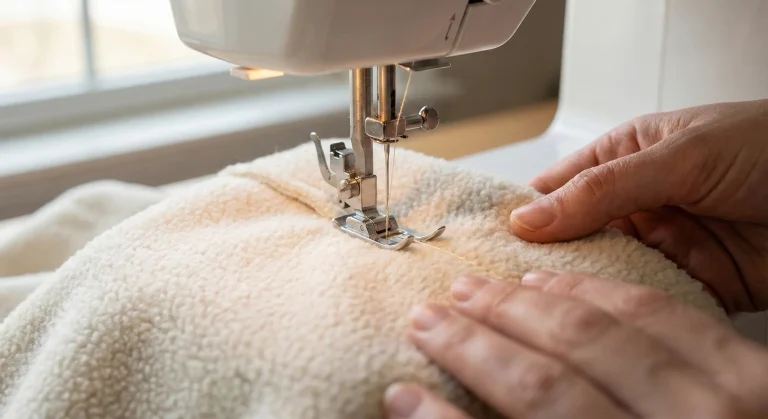
- Stitch with a stretch stitch or serger: A straight stitch alone will pop under tension. Use a narrow zigzag, lightning stitch, or overlocker for seams that move with the fabric.
- Check your pattern's stretch requirement: Most commercial t-shirt patterns specify a minimum stretch percentage on the pattern envelope — match this before buying.
If you're new to sewing knits, our guide on how to choose the right fabric for digital sewing patterns covers how to read stretch requirements and match them to fabric specs accurately.
Ready to find your fabric? Explore the full cotton fabric collection at Global Fabric Wholesale — no minimum order, with worldwide shipping so you can order exactly what your project needs.





 Login with Google