


Fleece Fabric Guide 2026: Uses, Care & Sewing Tips

In 2026, as we continue to prioritize comfort without sacrificing functionality in our wardrobes, fleece fabric remains the undisputed MVP of cold-weather gear. It is the fabric that bridged the gap between high-performance mountaineering equipment and our Sunday morning loungewear. Fleece fabric is one of the most versatile and cozy textiles widely used in apparel, home textiles, and outdoor gear. If you’re searching for what is fleece fabric and the best places where to buy fleece fabric, this ultimate guide will walk you through everything from fabric basics to global sourcing tips.
What Is Fleece Fabric?
Fleece fabric is a soft, lightweight, and insulating textile that is widely used in apparel, home textiles, and outdoor products. It is best known for its warmth, plush texture, and ability to retain heat while remaining breathable. It was originally developed as a lightweight, high-performance alternative to wool. The goal was simple: create a material that offered the warmth of wool but without the heavy weight when wet or the reliance on animal products. Fleece fabric has a raised surface that traps air, providing excellent thermal insulation without adding heavy weight.
Today, fleece fabric has become a popular alternative to traditional wool due to its affordability, easy care, and versatility.
How Is Fleece Fabric Made?
Fleece fabric is typically produced using polyester yarns, often derived from recycled plastic bottles, making it a more sustainable option compared to some traditional textiles. During production, the fabric surface is brushed by wire brushes in a process known as "napping." This brushing technique breaks the loops of the knit, raising the fibers to create a plush, textured surface.
Here are the production details:
- Polyester Fiber Spinning: Synthetic polyester fibers are spun into yarns, which form the base of the fleece fabric.
- Knitting Process: Unlike woven fabrics, fleece is usually knitted, allowing it to stretch slightly and remain flexible.
- Brushing or Napping: The fabric surface is brushed to raise fine fibers, creating the characteristic soft and fuzzy texture of fleece fabric.
- Shearing & Finishing: The raised fibers are trimmed to achieve uniform thickness, followed by treatments such as anti-pilling, moisture-wicking, or thermal enhancement.
This raised pile creates millions of tiny air pockets trapped between the fibers. These pockets act as insulators, holding your body heat close to your skin while blocking the cold air outside. This is why fleece manages to be incredibly warm while remaining surprisingly lightweight and breathable.
Key Characteristics of Fleece Fabric
Fleece fabric is a soft, cozy, and warm fabric that many people recognize instantly—often from hoodies, blankets, sweatshirts, or winter jackets. If you’ve ever worn a fleece hoodie on a chilly day or wrapped yourself in a fluffy fleece blanket at home, you’ve already experienced what makes this fabric so popular.
| Feature | Description |
| Softness | Extremely soft and comfortable, ideal for direct skin contact |
| Warmth | Excellent insulation by trapping body heat |
| Lightweight | Provides warmth without heaviness |
| Breathability | Allows moisture vapor to escape |
| Quick-Dry | Dries faster than natural fibers like cotton |
| Durability | Resistant to stretching and shrinking |
| Low Maintenance | Machine washable and easy to care for |
Unlike traditional wool, fleece fabric does not feel scratchy or irritating, making it a popular choice for people with sensitive skin, children, and anyone who values comfort over stiffness.
Is Fleece Fabric Natural or Synthetic?
Fleece fabric is synthetic. In the vast majority of cases, when you see "Fleece" on a garment tag or in our fabric catalog, it refers to a man-made textile composed of 100% Polyester. Most fleece fabric is made from polyester fibers, which are man-made materials created from petroleum-based sources. Although fleece feels soft and looks similar to wool, it is not a natural fiber and does not come from animals or plants.
Some modern fleece fabrics are also made from recycled polyester, often sourced from recycled plastic bottles. From a user’s perspective, recycled fleece feels and performs the same as regular fleece, but with a lower environmental impact.
This often creates confusion for first-time buyers. Historically, the word "fleece" referred exclusively to the wool coat sheared from a sheep. However, modern textile engineering borrowed the name because the fabric was designed to mimic the insulating qualities of natural wool.
Is Synthetic Fleece a Good or Bad Thing?
For everyday use, being synthetic is actually one of fleece fabric’s biggest advantages. For jackets, hoodies, blankets, or winter pajamas, fleece fabric is often more practical than natural wool. Not only that, it means greater affordability and value. If you choose recycled fleece fabric, it offers comfort while also being more environmentally friendly. Here’s how it compares from a consumer point of view:
| Aspect | Fleece Fabric (Synthetic) |
| Softness | Very soft and skin-friendly |
| Warmth | Excellent for casual and outdoor wear |
| Weight | Lightweight and easy to wear |
| Care | Machine washable, low maintenance |
| Comfort | No itchiness like wool |
| Drying Time | Dries quickly |
Fleece Fabric vs Other Popular Fabrics: What’s the Difference?
When shopping for warm and comfortable fabrics, fleece is often compared with other cozy materials. Below, we compare fleece fabric with its three most common competitors, providing more detailed information for your reference to help you choose the most suitable fabric.
Fleece vs Wool
The comparison between fleece vs. wool is one of the most common, especially for cold-weather clothing and blankets.
Weight & Comfort: Wool is naturally heavy. A wool coat provides warmth through density, which can feel restrictive. Fleece, being a lightweight synthetic, offers a similar level of insulation at a fraction of the weight. Furthermore, fleece is inherently soft against the skin, whereas many grades of wool require a lining to prevent itching.
Performance in Wet Conditions: Wool has the unique ability to absorb up to 30% of its weight in water before feeling wet, but once saturated, it becomes heavy and takes a long time to dry. Fleece is hydrophobic; it repels water, remains lightweight even when wet, and dries significantly faster.
Maintenance: Wool requires careful hand washing or dry cleaning to avoid felting. Fleece is generally machine washable and far more forgiving.
| Feature | Fleece Fabric | Wool |
| Fiber Type | Synthetic (Polyester) | Natural (Animal fiber) |
| Softness | Very soft, non-itchy | Can feel itchy for some |
| Warmth | Warm and lightweight | Very warm but heavier |
| Weight | Lightweight | Heavier |
| Care | Easy, machine washable | Needs special care |
| Drying Time | Dries quickly | Dries slowly |
| Price | More affordable | Usually more expensive |
Fleece vs French Terry
Both fleece fabric and French terry fabric are extremely popular and frequently compared. They are both well-suited for making sweatshirts. In fact, their structures differ significantly.
Construction: The primary difference lies in the back of the fabric. French Terry Fabric features loops of yarn on the interior side, which promotes breathability and moisture absorption. Fleece, in contrast, undergoes a brushing process that breaks these loops into a fuzzy pile.
Warmth: Because of the brushed pile, fleece traps more body heat than French Terry. If you need a breathable layer for a workout, choose French Terry. If you need maximum heat retention for sedentary winter wear, Fleece is the better option.
| Feature | Fleece Fabric | French Terry |
| Inside Texture | Brushed, fluffy | Looped, smooth |
| Warmth | Warmer | Light to medium warmth |
| Breathability | Moderate | More breathable |
| Best Season | Fall & winter | Spring & mild weather |
| Feel | Plush and cozy | Soft but less fluffy |
Fleece vs Sherpa
Both fabrics are highly insulating. Shearling typically feels warmer because its fleece is thicker and denser. Fleece fabric is lighter and more versatile for daily wear.
Texture: Standard Polar Fleece has a smooth, uniform, low-pile surface on both sides. Sherpa is designed to imitate the bumpy, curly texture of sheep's wool. It has a high pile on one side and a smooth knit backing on the other.
Usage: Due to its bulkiness, Sherpa is most often used as a lining for denim jackets or for accent trim. Standard fleece is less bulky, making it superior for constructing entire garments like pullovers or performance mid-layers.
| Feature | Fleece Fabric | Sherpa |
| Texture | Smooth or lightly fuzzy | Thick, wool-like, curly |
| Warmth | Warm | Extra warm |
| Weight | Lightweight | Heavier |
| Appearance | Clean, smooth look | Chunky, cozy look |
| Common Use | Hoodies, blankets, activewear | Jacket linings, throws |
Which Fabric Is Best for You?
To simplify your decision-making process, we have summarized the key properties of these fabrics in the table below. Understanding these differences makes it much easier to decide what to buy, especially when you’re comparing products online and trying to choose the most comfortable option.
| Feature | Fleece | Wool | French Terry | Sherpa |
| Warmth | ⭐⭐⭐⭐⭐ (High) | ⭐⭐⭐⭐⭐ (High) | ⭐⭐⭐ (Medium) | ⭐⭐⭐⭐⭐ (High) |
| Weight | Very Light | Heavy | Medium | Heavy / Bulky |
| Water Resistance | Hydrophobic (Repels water) | Absorbent (Retains water) | Absorbent | Moderate |
| Breathability | Moderate | High | High | Low |
| Touch (Itch Factor) | Soft / Plush | Can be scratchy | Smooth / Looped | Soft / Textured |
| Care Difficulty | Low (Machine Wash) | High (Dry Clean) | Low | Medium (Matting risk) |
Sewing Tips for Fleece Fabric
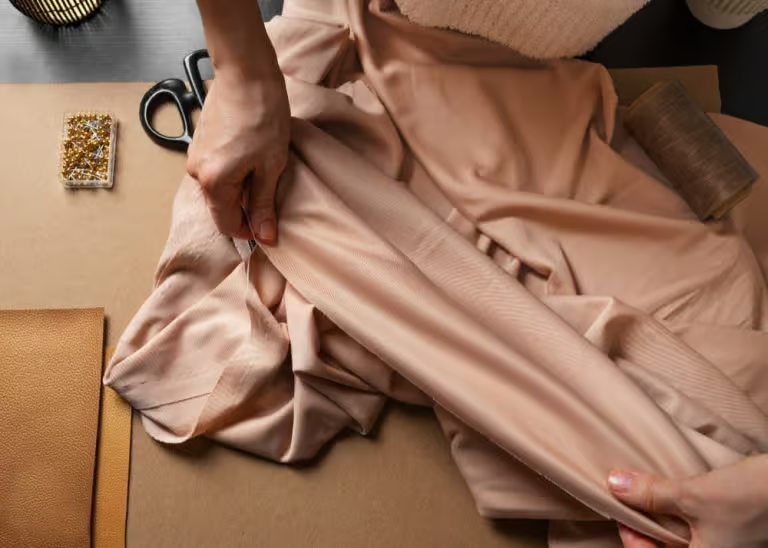
Fleece is often described as a "beginner-friendly" fabric because its cut edges do not fray, eliminating the need for complex hem finishes. If you’re planning to sew a hoodie, blanket, scarf, or even pet clothing, these tips will help you get clean, professional-looking results—without frustration.
Needle and Thread Selection
The good news is, you don’t need special equipment to sew fleece fabric. But you can make a few small adjustments to make a big difference.
Recommended tools:
- Universal or ballpoint needle (size 80/12 or 90/14). These have a rounded tip that slides between the knit loops rather than piercing (and damaging) the fibers.
- Polyester thread (strong and flexible). Cotton thread lacks the necessary elasticity and may snap when the fabric stretches.
- Sharp fabric scissors or rotary cutter
- Clips instead of pins. It is optional, but helpful for thick fleece.
Cutting Fleece Fabric the Right Way
Fleece is a directional fabric. It has a "nap," meaning the fibers run in a specific direction. And it can stretch and shift while cutting, so accuracy matters.
Here are some tips for cutting:
- Cut fleece in a single layer for better control
- Use pattern weights instead of pins when possible
- Pay attention to the nap (pile direction)—cut all pieces facing the same direction so the color looks consistent
Stitch Settings That Work Best for Fleece Fabric
Fleece can be bulky, which may cause the presser foot to struggle or the stitches to bury themselves in the pile. And it has stretch, so using the right stitch helps prevent seams from popping.
Best stitch options:
- Slight zigzag stitch. Since fleece is a knit, it stretches. Use a narrow Zig-Zag stitch or a "Lightning Bolt" stretch stitch to allow the seam to move with the wearer. Straight stitches will likely pop when the garment is pulled.
- 3.0mm - 4.0mm Stitch length. Standard short stitches (2.5mm) tend to disappear into the plush fibers, making seam ripping nearly impossible if you make a mistake.
- Using the walking foot. Fleece layers tend to shift against each other. A walking foot feeds the top and bottom layers evenly through the machine, preventing the "wave" effect on your seams.
Helpful settings:
- Lower your presser foot pressure (if adjustable)
- Don’t pull the fabric—let the machine feed naturally
Here are some of the best fleece fabric sewing projects for beginners:
- No-sew or sewn fleece blankets
- Scarves and neck warmers
- Simple pull-on hoodies
- Pet blankets or beds
- Pajama pants
Care Guide: How to Wash Fleece to Prevent Pilling
Fleece fabric is popular not only because it’s soft and warm, but also because it’s easy to care for. With the right washing and drying habits, fleece fabric can stay comfortable and look good for years.
How to Wash Fleece Fabric
Wash in Cool Water (30°C or lower). Always select the "Cold" or "Delicate" cycle on your washing machine. Hot water can relax the structure of the polyester fibers, leading to premature shrinkage and surface damage. Fabric softener is not recommended for fleece fabric. While it may seem like a good idea, the softener actually coats the polyester fibers and reduces the fleece’s natural softness and breathability. Over time, this buildup can make the fabric feel less cozy and more stiff. If you want to refresh fleece, a thorough rinse is usually enough.
How to Dry Fleece Fabric
Air Dry Whenever Possible. The dryer is where most fleece goes to die. High heat will "cook" the plastic fibers, making them brittle and rough. Line drying is the gold standard. If you absolutely must use a dryer, use the "Air Fluff" or "No Heat" setting. Remove fleece items from the dryer while they are still slightly warm and let them finish air drying. This helps prevent static and keeps the fabric fluffy.
How to Prevent Pilling on Fleece Fabric
When storing, ensure the fleece fabric or finished product is clean. Keep it in a cool, dry place away from direct sunlight. Folding is preferable to hanging, as prolonged hanging may cause the fabric to lose its shape. If storing in a bag, choose a breathable option. Sealed storage bags are prone to moisture buildup. If you have a fleece jacket that has become matted down over time, you can sometimes restore its fluffiness. Use a slicker brush or a dedicated fabric comb. Gently brush the matted areas to separate the fibers and restore the loft.
Fleece Fabric FAQ
Is fleece fabric waterproof?
No, but it is water-resistant. Fleece is hydrophobic, meaning the polyester fibers essentially "hate" water. It will repel light mist or drizzle, and it absorbs less than 1% of its weight in moisture. If you need a fully waterproof garment, we recommend using fleece as a warm lining underneath an outer layer made from Waterproof fabric.
Does fleece fabric shrink in the wash?
Generally, no. Unlike cotton or wool, polyester fibers are extremely stable and resistant to shrinkage. But fleece fabric is not heat-resistant. To extend the lifespan of your garments, it is best to wash them in cold water.
Is fleece fabric breathable or does it feel stuffy?
Although fleece fabric appears thicker than most materials, it remains highly breathable. It allows moisture vapor to escape, preventing discomfort from feeling stuffy during light exercise.
Is fleece fabric safe for sensitive skin?
Fleece fabric is a good choice for sensitive skin. It is exceptionally soft and won't cause itching like some woolen garments. High-quality fleece is commonly used in children's clothing, blankets, and pajamas.
Does fleece fabric pill easily?
Fleece fabric can pill over time, especially in areas that rub frequently, such as under the arms or along the sides. This is normal and does not mean the fabric is low quality. If pills appear, they can be easily removed with a fabric shaver.
Where to Buy Fleece Fabric
You know what it is, you know how to sew it, and you know how to wash it. Now comes the final hurdle: where to buy fleece fabric that won't disappoint you?
Buy Fleece Fabric Online
One of the easiest and most convenient ways to buy fleece fabric is online. Many reliable online fabric stores offer a wide range of colors, weights, and finishes that you can browse from your phone or computer. When you shop online, you can compare prices and read customer reviews, which helps you choose the right type before you buy.
For general use, look for listings that include:
- Fabric width and weight (in GSM or ounces)
- Clear photos of the pile texture
- Washing and care instructions
If you're unsure about the weight of fleece fabric you need, don't worry—we've got plenty of practical advice ready for you:
- Microfleece (Under 200 GSM):
- Best for: Base layers, lightweight pullovers, or lining for raincoats.
- Feel: Thin, very soft, and flexible. Think of a lightweight gym zip-up.
- Mid-Weight Fleece (200-300 GSM):
- Best for: Classic hoodies, sweatpants, blankets, and beanies.
- Feel: The "Goldilocks" zone. Substantial enough to stand alone, but not too stiff. This is the most versatile category for DIY projects.
- Heavyweight / Polar Fleece (300+ GSM):
- Best for: Serious winter jackets, outdoor adventure gear, and thick throws.
- Feel: Dense, plush, and extremely warm. It has more structure and holds its shape well.
Buy Fleece Fabric at Local Fabric Stores
If you prefer to see and feel the fabric before you buy, local fabric stores are a great option. You can touch the surface, test how soft and thick the fleece feels, and even hold it up to the light to check the pile density. Shopping in person also allows you to ask store staff about their recommendations.
Local stores often carry:
- Solid-color fleece
- Printed or patterned fleece
- Lightweight and heavyweight options
Final Thoughts
For most people, fleece fabric works best when comfort and practicality matter. It is warm without being heavy, soft without being itchy, and easy to wash without special treatment. Whether you’re choosing fleece for a cozy blanket, a casual hoodie, or a simple sewing project, it’s a fabric that fits easily into daily life.
We hope this guide has demystified the world of synthetic insulation for you. You now know how to distinguish high-quality Anti-Pill fabric from the rest, how to choose the right GSM for your climate, and—most importantly—how to sew it without fear.





 Login with Google