


Cotton vs Modal: Which is Softer and More Breathable?
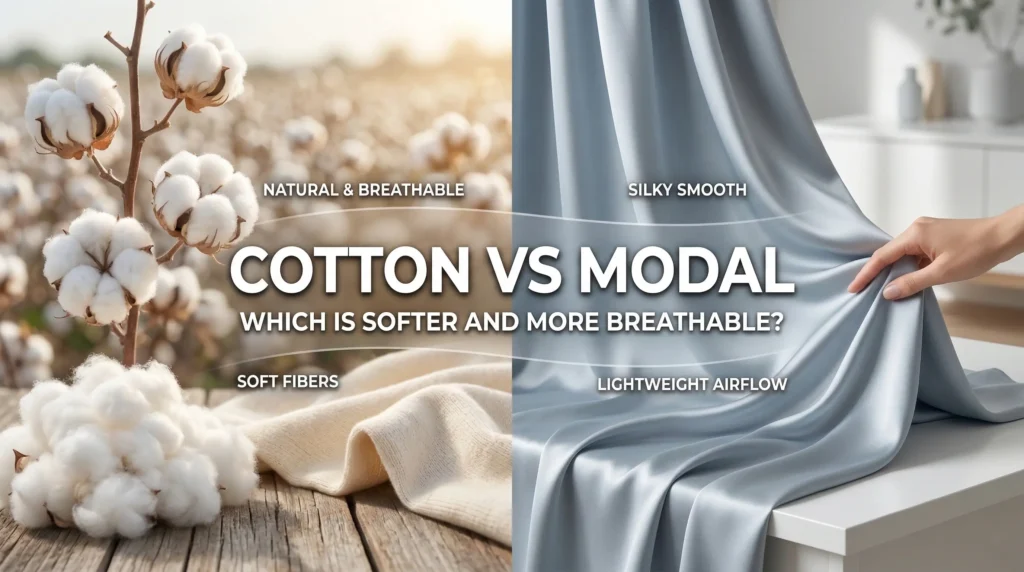
When choosing fabric for a project, one of the most common comparisons is cotton vs modal. Both are known for comfort and are widely used in everyday clothing, from classic T-shirts to soft loungewear. But if you’re deciding between the two, the biggest questions usually come down to softness and breathability.
Let’s compare them in terms of softness, breathability, and overall comfort, so you can understand how each material performs and decide which one fits your needs best.
Quick Answer: Cotton vs Modal
Cotton and modal are both soft and breathable fabrics, but they feel slightly different in everyday wear.
When it comes to softness, modal usually feels smoother and silkier because its fibers are engineered to be more uniform.
For breathability, both fabrics perform well. Cotton allows air to circulate easily, while modal often feels cooler and less sticky on the skin. In short:
- Softness—Modal usually feels softer
- Breathability—Both are breathable, but modal often feels cooler
What are Cotton and Modal?
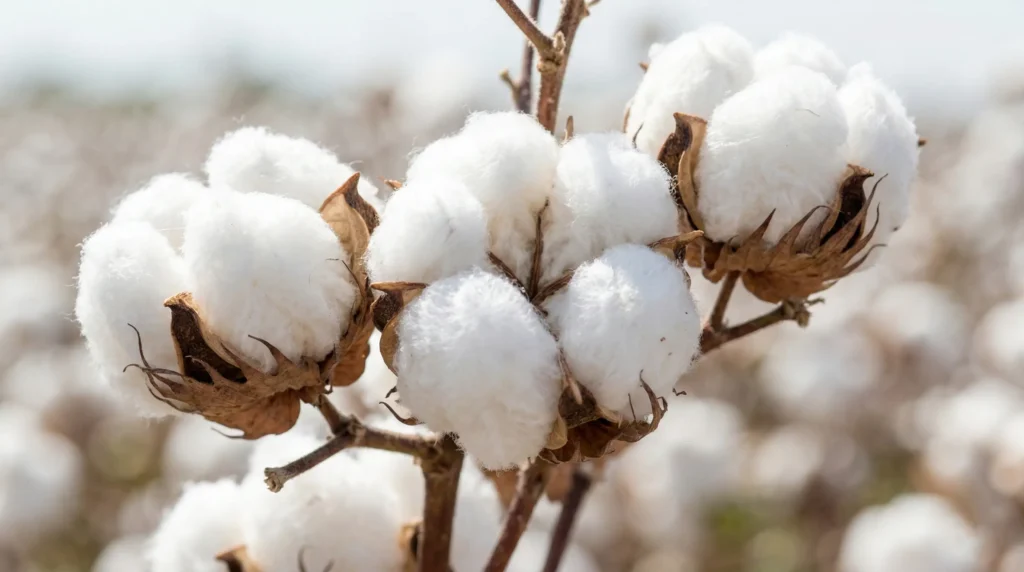
Cotton is a 100% natural plant fiber valued for its comfort and versatility. It has a familiar, breathable feel that works well in many types of fabrics, from crisp shirts and durable denim fabric to soft everyday clothing and bed linens. Because of its natural touch and reliable performance, cotton has long been a staple in clothing and home textiles.
Modal is a regenerated fiber made from beechwood pulp and is known for its smooth, silky texture. The fibers are engineered to be very uniform, which gives modal fabrics a soft surface and a fluid drape. It’s commonly used in lightweight T-shirts, soft loungewear, and pajamas where a gentle, second-skin feel is especially appreciated.
Which Fabric Feels Softer?
Cotton can feel very soft, especially when it is made from high-quality fibers such as long-staple cotton. Soft cotton fabrics are comfortable against the skin and have the familiar natural texture many people enjoy. However, the softness of cotton can vary depending on the fiber quality, yarn type, and fabric finishing. Some cotton fabrics feel smooth and cozy, while others may feel slightly crisp or dry at first, especially in heavier or more structured fabrics.
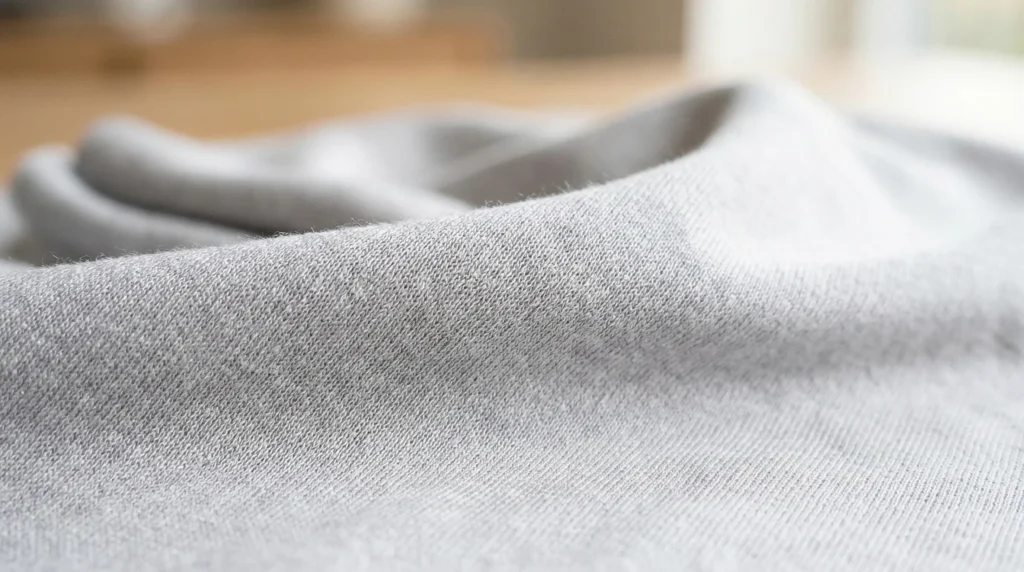
Modal is widely known for its exceptionally smooth and silky texture. Because the fibers are engineered to be very uniform, modal fabrics usually feel consistently soft with a cool, silky touch. Many people describe modal as having a “buttery” or second-skin feel, which is why it is commonly used in garments designed for maximum comfort.
In general, modal tends to feel softer than cotton, which is why many people choose modal when softness is the top priority.
Which Fabric Is More Breathable?
Cotton is widely known for its natural breathability. The fiber structure allows air to circulate easily through the fabric, which helps release heat and keep the body comfortable. Cotton also absorbs moisture well, which can help manage sweat in warm conditions. Because of this, cotton is often chosen for everyday clothing in hot climates, as well as bedding and sleepwear where airflow and comfort are important.
Modal is also considered a breathable fabric. Its lightweight structure allows air to flow through the material, keeping the skin cool and comfortable. Compared with cotton, modal often feels slightly cooler to the touch because the fibers are smoother and lighter. Many people also find that modal feels less sticky against the skin in humid weather.
Overall, both cotton and modal are breathable fabrics, but modal often feels cooler and smoother on the skin, while cotton offers the classic, familiar comfort many people are familiar with.
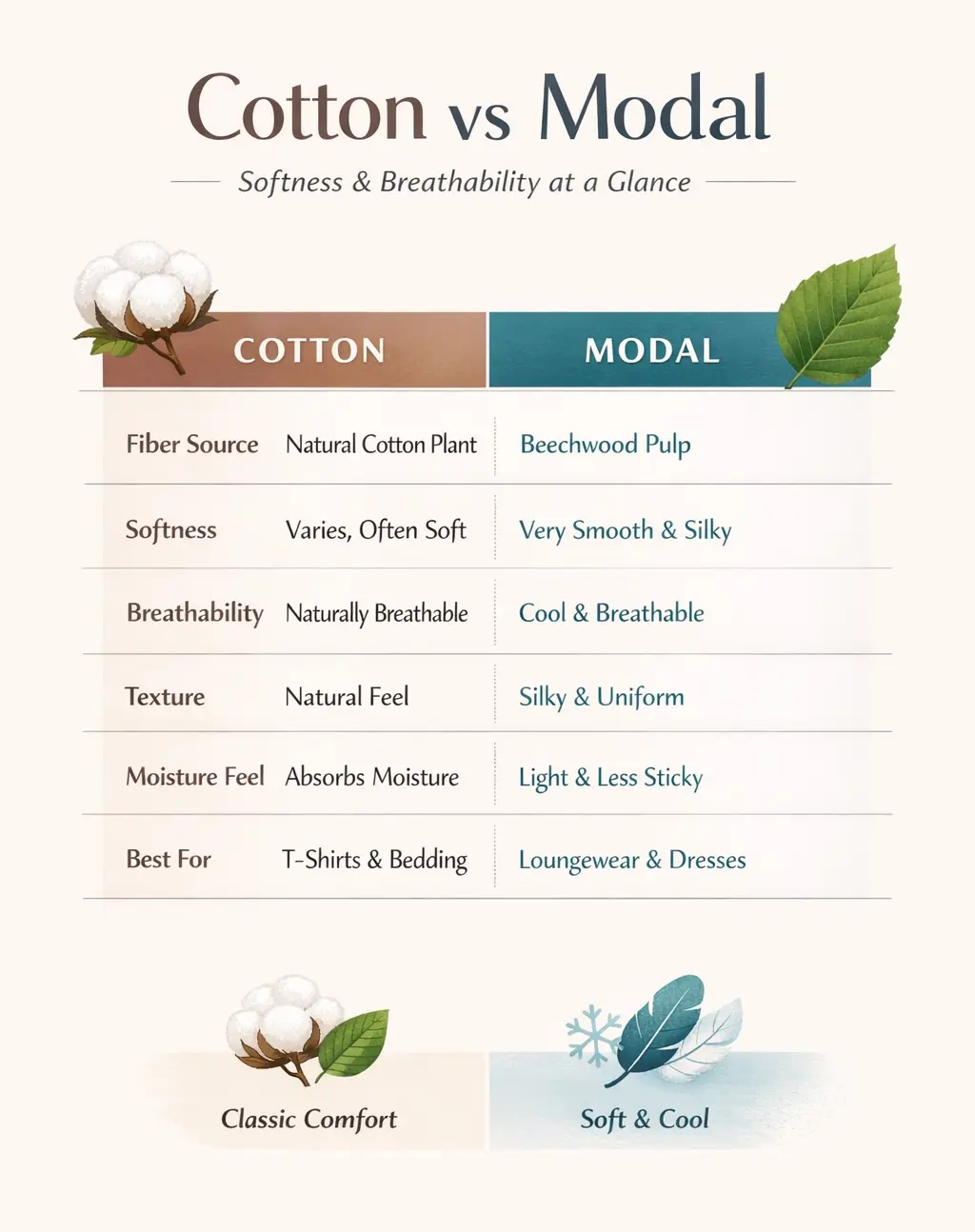
| Feature | Cotton | Modal |
| Fiber Source | Natural cotton plant | Regenerated wood pulp (usually beechwood) |
| Softness | Soft, varies by quality | Very smooth and silky |
| Breathability | Naturally breathable | Breathable and often feels cooler |
| Texture | Natural, slightly textured | Smooth, uniform surface |
| Drape | More structured | Soft and fluid |
| Moisture Feel | Absorbs moisture | Feels lighter and less sticky |
| Typical Uses | T-shirts, shirts, bedding | Loungewear, soft tops, dresses |
Key Strengths and Drawbacks of Cotton
What Cotton Does Well
- Naturally breathable: Cotton allows air to circulate easily, which helps keep the fabric comfortable in warm conditions.
- Soft, natural hand feel: Many people prefer the familiar, natural softness of cotton, especially in higher-quality varieties.
- Comfortable for everyday wear: Cotton feels gentle on the skin and works well for daily clothing and bedding.
Drawbacks of Cotton
- Softness can vary: Some cotton fabrics feel crisp or slightly rough depending on fiber quality and finishing.
- Can feel damp in humid conditions: Because cotton absorbs moisture rather than moving it away, it may feel heavier or slightly clingy when wet.
- Wrinkles easily: Cotton fabrics, especially woven ones, tend to crease more than modal.
Key Strengths and Drawbacks of Modal
What Modal Does Well
- Very smooth and silky: Modal fibers are uniform, giving the fabric a consistently soft and smooth surface.
- Cool and breathable feel: Lightweight modal fabrics often feel cooler against the skin while still allowing airflow.
- Stays soft over time: Modal tends to keep its smooth texture even after repeated wear and washing.
Drawbacks of Modal
- More delicate surface: The smooth fibers can be more prone to snags or pilling in high-friction areas.
- Often higher cost: Modal fabrics are usually more expensive than basic cotton options.
- May need blending for better shape recovery: Pure modal fabrics can relax with wear if not blended with fibers that add elasticity.
Best Uses for Cotton vs Modal
Because cotton and modal differ in how soft they feel and how they handle airflow, they tend to work better for different types of garments.
When Cotton Makes the Most Sense
- Classic T-shirts and casual tops where breathable comfort is more important than a silky texture
- Summer shirts and lightweight dresses that benefit from cotton’s natural airflow
- Pajamas and sleepwear that feel breathable and familiar on the skin
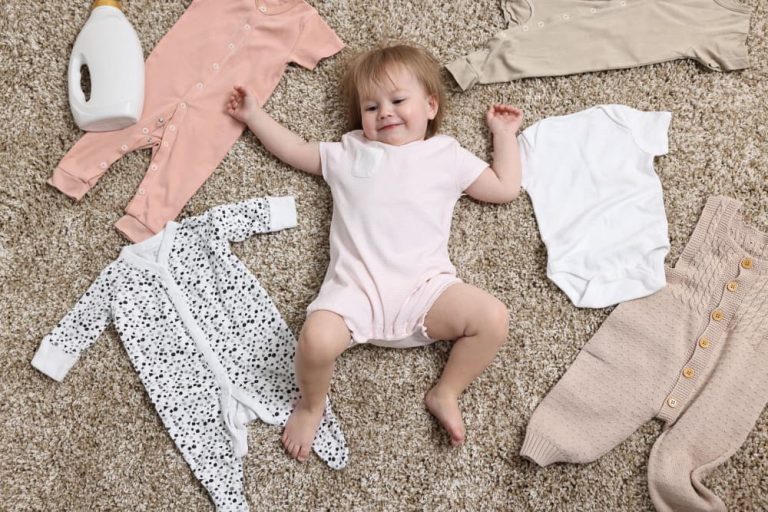
- Baby and kids' clothing, where gentle breathability and natural fibers are often preferred
- Bedding and home textiles like pillowcases and sheets that need airflow for overnight comfort
View all breathable cotton fabrics: https://globalfabricwholesale.com/cotton-fabric/
When Modal Makes the Most Sense
- Ultra-soft T-shirts, tanks, and long sleeves designed for a smooth, premium feel
- Loungewear and sleepwear sets that prioritize softness and a cool touch against the skin
- Drapey dresses and skirts where modal’s fluid movement improves the silhouette
- Next-to-skin basics like underwear layers and fitted tops that benefit from a smooth texture
- Athleisure basics where softness and lightweight comfort are important for all-day wear
View all soft modal fabrics: https://globalfabricwholesale.com/modal-fabric/
Why Cotton and Modal Are Often Blended
If you like cotton’s familiar feel but want modal’s smoothness and drape, a cotton–modal blend is often the best middle ground.
- 70/30 or 60/40 cotton/modal: Mostly cotton with a boost of softness. These blends keep cotton’s breathable, natural feel while adding a smoother touch, making them popular for everyday T-shirts, casual tops, and comfortable basics.
- 50/50 cotton/modal: A balanced mix of breathability and softness. The fabric usually feels noticeably smoother than pure cotton while still maintaining good airflow, which works well for soft tees, loungewear, and relaxed everyday clothing.
- 30/70 cotton/modal: Modal-forward blends focus on maximum softness and a cooler, silkier feel. They are often used for drapey tops, lightweight loungewear, and garments designed to feel especially smooth against the skin.
If you want cotton’s breathable comfort along with modal’s smooth, skin-friendly feel, a blend is a great option.
Still Not Sure Which One to Choose?
If the softness and breathability comparison still doesn’t make the choice obvious, it can help to look at the bigger picture—especially how each fabric fits into the conversation around more mindful materials.
Cotton is a natural plant fiber, and many shoppers like it because it feels familiar and simple. Options like organic cotton are often preferred in sustainable fashion because they are grown with fewer synthetic chemicals.
Modal is also plant-derived, made from wood pulp that is processed into smooth fibers. Because it comes from trees rather than petroleum, some people see it as a plant-based alternative to synthetic fabrics like polyester.
That said, neither fabric is automatically sustainable. Cotton farming can require significant water, and modal production involves chemical processing. In practice, the environmental impact depends largely on how the fiber is sourced and produced.
If sustainability matters to you, a simple rule of thumb is:
- Look for organic cotton when you want a natural fiber with fewer chemicals.
- Look for responsibly sourced modal when you want softness and drape with plant-based fibers.
Cotton vs Modal: The Bottom Line
If the main question is softness and breathability, both fabrics perform well—but they feel different.
Modal is usually softer. Its fibers are smoother and more uniform, giving the fabric a silky, cool-to-the-touch feel. Choose modal if you want maximum softness, a smoother surface, and a cooler touch against the skin.
Cotton is naturally breathable. Its fiber structure allows air to circulate easily, which is why it has long been a favorite for everyday comfort in warm climates. Choose cotton if you want breathable, natural comfort and a slightly more structured feel.
If you want both softness and breathability in one fabric, cotton–modal blends often provide a balanced middle ground.
You May Also Want to Know
Is modal softer than cotton?
Yes, modal usually feels softer and smoother than standard cotton because its fibers are more uniform.
Is cotton more breathable than modal?
Both fabrics are breathable. Cotton allows strong airflow, while modal often feels cooler and less sticky on the skin.
Which fabric is better for hot weather?
Both work well in warm weather. Cotton offers classic breathability, while modal can feel lighter and cooler to the touch.
Is modal a natural fabric like cotton?
Cotton is a natural plant fiber. Modal is plant-derived but processed from wood pulp into a regenerated fiber.
Should I choose cotton or modal for everyday comfort?
Choose cotton for natural breathability and a classic feel. Choose modal if you want extra softness and a smoother touch.
Ready to Explore Cotton or Modal Fabric?
Global Fabric Wholesale offers a variety of cotton and modal fabrics — from breathable everyday cotton options to ultra-soft, drapey modal styles that feel smooth against the skin.
Shop Cotton Fabrics: https://globalfabricwholesale.com/cotton-fabric/
Shop Modal Fabrics: https://globalfabricwholesale.com/modal-fabric/
Not sure which one fits what you’re making? Explore the collections above and choose by feel, drape, and use — or reach out anytime and we’ll help you narrow it down.





 Login with Google