


Best French Terry Fabric for Hoodies: A Buyer’s Guide

For hoodies, a mid-weight French terry fabric between 280 and 380 gsm with at least 95% cotton content gives you the ideal balance of structure, softness, and breathability. The looped interior keeps wearers comfortable without the bulk of fleece, making it the go-to choice for everyday hoodies, athleisure, and kidswear alike. Whether you're sewing one hoodie or sourcing fabric for a small run, knowing which weight, fiber blend, and finish to look for will save you time and money.
| 100% Cotton French Terry | Cotton-Polyester Blend | Cotton-Modal Blend | |
|---|---|---|---|
| Weight Range | 280–380 gsm | 260–350 gsm | 270–360 gsm |
| Softness | High | Medium–High | Very High |
| Breathability | Excellent | Good | Excellent |
| Shape Retention | Good | Very Good | Good |
| Moisture Wicking | Moderate | Good–Very Good | Good |
| Best For | Everyday & kidswear hoodies | Athleisure & performance hoodies | Luxury loungewear hoodies |
What Makes French Terry the Right Choice for Hoodies
French terry fabric is a knitted fabric with a smooth face and uncut loops on the reverse side. Those loops trap warm air and wick moisture away from the skin — exactly what a hoodie needs to perform across seasons. Unlike fleece, French terry doesn't pill as aggressively and has a cleaner drape that works well for structured hood panels and kangaroo pockets.
For hoodies specifically, the looped back provides warmth without excessive weight, so the finished garment doesn't feel stiff or heavy on the shoulders. It also holds its shape through repeated washing better than many single-knit alternatives, which matters when a hoodie is worn and laundered frequently.
If you're comparing options, our post on French terry fabric vs fleece fabric breaks down the key differences in warmth, texture, and sewing behaviour — useful reading before you commit to a fabric choice.
Choosing the Right Weight for Your Hoodie Project
Weight is the single most important variable when buying French terry for hoodies. Here's how to think about it:
- 240–270 gsm: Lightweight — better for spring hoodies or layering pieces. Less structure in the hood.
- 280–320 gsm: Mid-weight — the sweet spot for most adult and kids' hoodies. Enough body for a well-shaped hood and cuffs without feeling heavy.
- 330–380 gsm: Heavyweight — ideal for winter hoodies or oversized silhouettes where a substantial drape is desirable.
For example, an independent children's wear designer sewing a range of zip-up hoodies for toddlers would typically reach for a 290–310 gsm cotton French terry. It's light enough for small bodies to move freely but structured enough that the hood doesn't collapse. You can read more about fabric choices for younger wearers in our guide on why parents prefer French terry fabric for kidswear.
Fiber Content: Cotton, Blends, and What Each Delivers
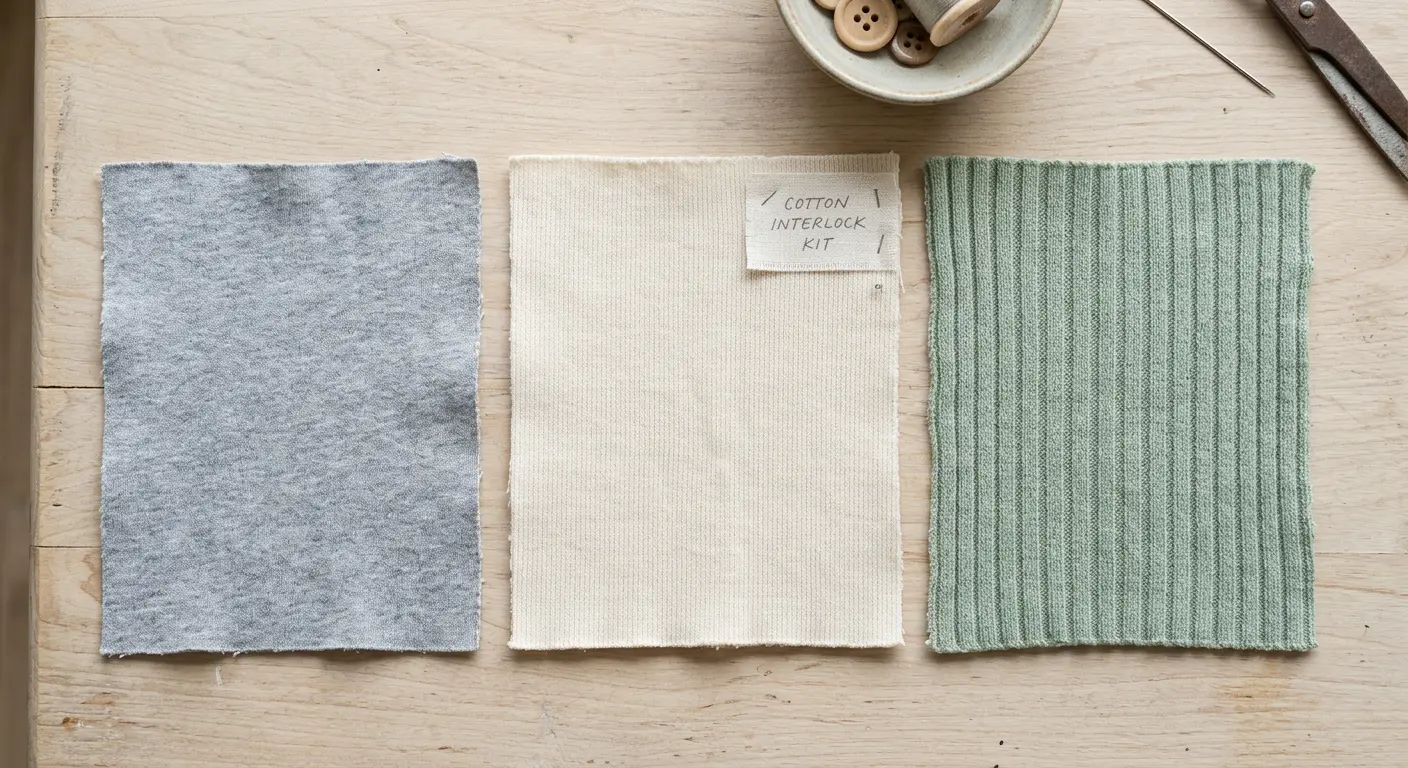
The fiber composition of your French terry determines how the finished hoodie feels, performs, and ages. The three most common options are:
100% Cotton French Terry
Naturally breathable and hypoallergenic, pure cotton French terry is the most versatile choice for everyday hoodies. It softens with each wash and is easy to sew. The trade-off is minor shrinkage on the first wash and slightly less shape retention compared to blends. Browse our cotton fabric range for reference on fiber quality.
Cotton-Polyester Blend (typically 80/20 or 60/40)
Adding polyester improves durability, reduces shrinkage, and enhances moisture wicking — making this blend popular for athleisure and performance hoodies. The fabric holds its shape longer and dries faster, though it's slightly less breathable than pure cotton.
Cotton-Modal Blend
Modal adds exceptional softness and a subtle sheen, making this blend ideal for premium loungewear hoodies. It's more drape-forward than a standard cotton terry, so it suits relaxed, oversized cuts particularly well. See our modal fabric category for available options.
Stretch, Recovery, and Fabric Function for Hoodie Construction
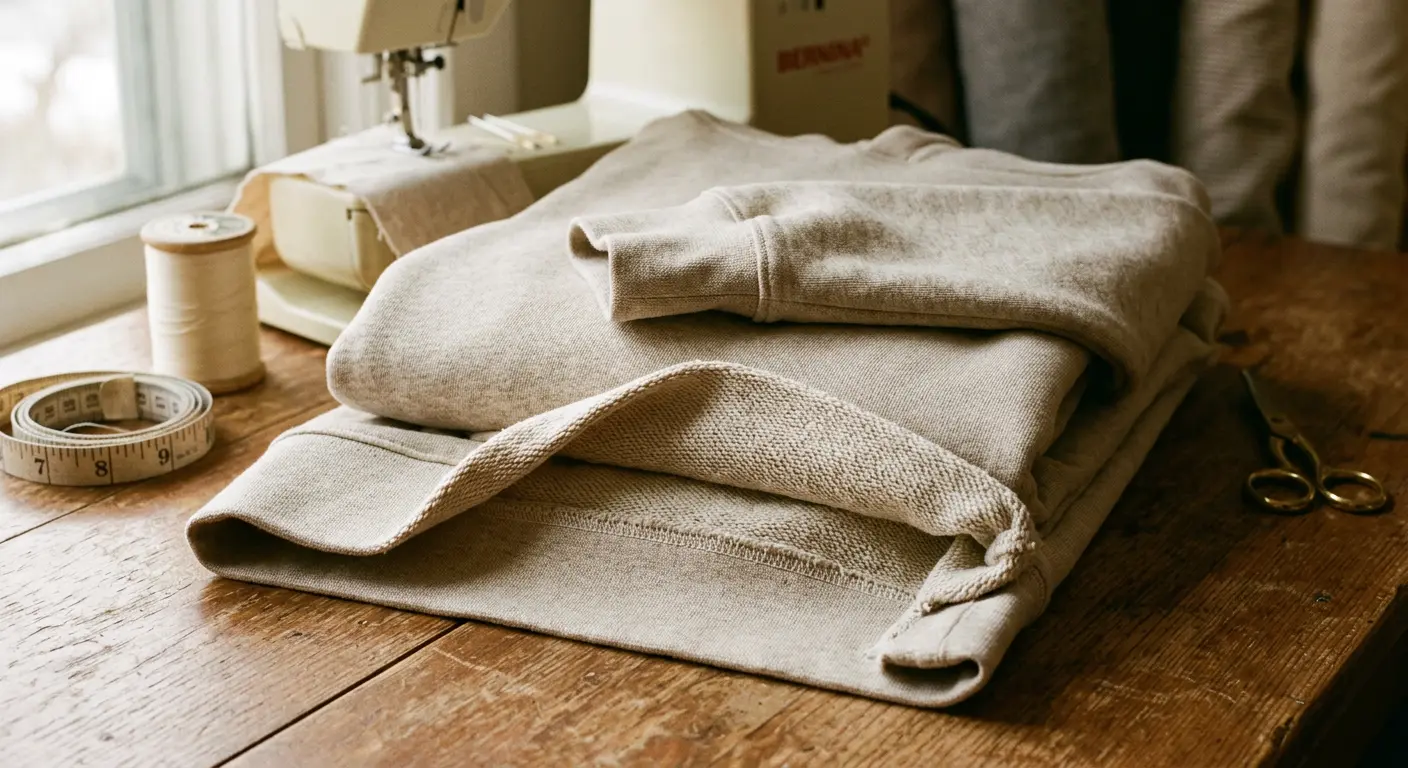
Hoodies need fabric with reliable two-way stretch — typically 30–50% horizontal stretch with good recovery — so the garment moves with the wearer without bagging at the elbows or hem over time. French terry knits generally deliver this naturally, but it's worth checking the stretch percentage listed in the product specifications before ordering.
If your hoodie design includes raglan sleeves or a fitted hem band, recovery is especially important. A fabric that stretches but doesn't spring back will cause the cuffs and waistband to sag after a few wears. For projects where moisture management matters — think post-gym hoodies or activewear layers — look for French terry labelled as moisture-wicking fabric or a cotton-polyester blend with functional finishes.
For a broader look at how stretch properties affect fabric selection across different project types, our guide on choosing the right fabric for digital sewing patterns covers stretch percentages and pattern grading in practical detail.
How to Buy French Terry Fabric for Hoodies Without Overspending
Buying fabric for hoodies doesn't require committing to large rolls. At Global Fabric Wholesale, there's no minimum order, so you can order exactly the yardage you need — whether that's 1.5 yards for a single adult hoodie or 10 yards for a small production run.
A standard adult hoodie in a size M–L typically requires 2–2.5 yards of 60-inch-wide French terry. If you're adding a contrast colour for the hood lining or pocket, factor in an extra 0.5–1 yard of a coordinating fabric. For children's sizes, 1.5–2 yards is usually sufficient.
For instance, a small-batch maker producing five adult hoodies in the same colourway would order 12–13 yards to allow for cutting layout efficiency and a small buffer for errors — a practical approach that avoids waste without running short mid-project.
Ready to source your fabric? Browse the full French terry fabric collection at Global Fabric Wholesale, filterable by weight, fiber content, and colour. With worldwide shipping and no minimums, it's straightforward to get exactly what your project needs — nothing more, nothing less.



 Login with Google