


The Ultimate Guide to Polar Fleece Fabric Properties, Uses, and Sewing Tips

When it comes to fabric choices for cozy and versatile DIY projects, polar fleece fabric stands out as a top contender. Known for its warmth, softness, and lightweight feel, polar fleece is a preferred material for everything from winter jackets to blankets and outdoor gear.
Unlike natural fibers that can retain moisture and become heavy, this modern synthetic offers a unique combination of lightweight warmth and durability. Whether you are planning to craft a technical mid-layer for hiking or a simple throw blanket for the living room, understanding the specific properties of this material is essential for the success of your project. This guide explores the technical composition and practical applications of fleece to help you make informed decisions for your next creation.
What is Polar Fleece Fabric?
Polar fleece fabric is a synthetic material known for its soft texture, excellent insulation properties, and lightweight. It's primarily made from polyester, which gives it its signature warmth and flexibility. It’s commonly used for a wide range of applications, especially in colder climates where warmth and comfort are paramount.
Composition and Construction
While the primary ingredient is polyester (PET), the specific construction of the fabric determines its final quality and application. Unlike woven textiles (such as cotton canvas or denim), polar fleece is a knit fabric. Specifically, it is often created using a warp-knit structure. This knitting method is critical for sewers to understand because it gives the material a degree of mechanical stretch and prevents it from unraveling when cut. This "non-fraying" edge is a major advantage for DIY projects, as it eliminates the immediate need to hem raw edges.
The basic construction of polar fleece fabric involves polyester fibers that are spun and knitted into a fabric with a brushed surface, which results in its soft, fluffy texture. The process of brushing the fabric creates a pile that traps air, allowing it to provide excellent thermal insulation.
Material Variations: Virgin vs. Recycled
Regarding the raw materials, the industry has shifted significantly toward sustainable options. The polyester used can be derived from two sources:
Virgin Polyester: Made directly from petroleum-based chemical pellets.
Recycled Polyester (rPET): Made from post-consumer plastic bottles. Both sources result in chemically identical fibers, meaning the thermal insulation properties remain consistent regardless of the source.
The "Anti-Pill" Factor
When sourcing materials for long-lasting garments, you will often encounter the term "anti-pill." But what does anti-pill fleece actually entail?
Pilling occurs when the shorter fibers on the fabric's surface tangle together into small balls due to friction (rubbing against a jacket lining or washing machine agitation). Standard, lower-grade fleece is prone to this issue after just a few washes.
The Technical Difference: High-quality polar fleece undergoes a specialized shearing process during finishing. The manufacturing machinery shaves the surface pile down to a uniform height, removing the loose, fray-prone fibers that usually cause pilling.
Why it Matters: For an online fabric store, stocking high-quality anti-pill varieties [Internal Link Anchor] is essential. This finish ensures that the fabric maintains its smooth texture and insulating loft even after repeated heavy use.
Weight Classifications (GSM)
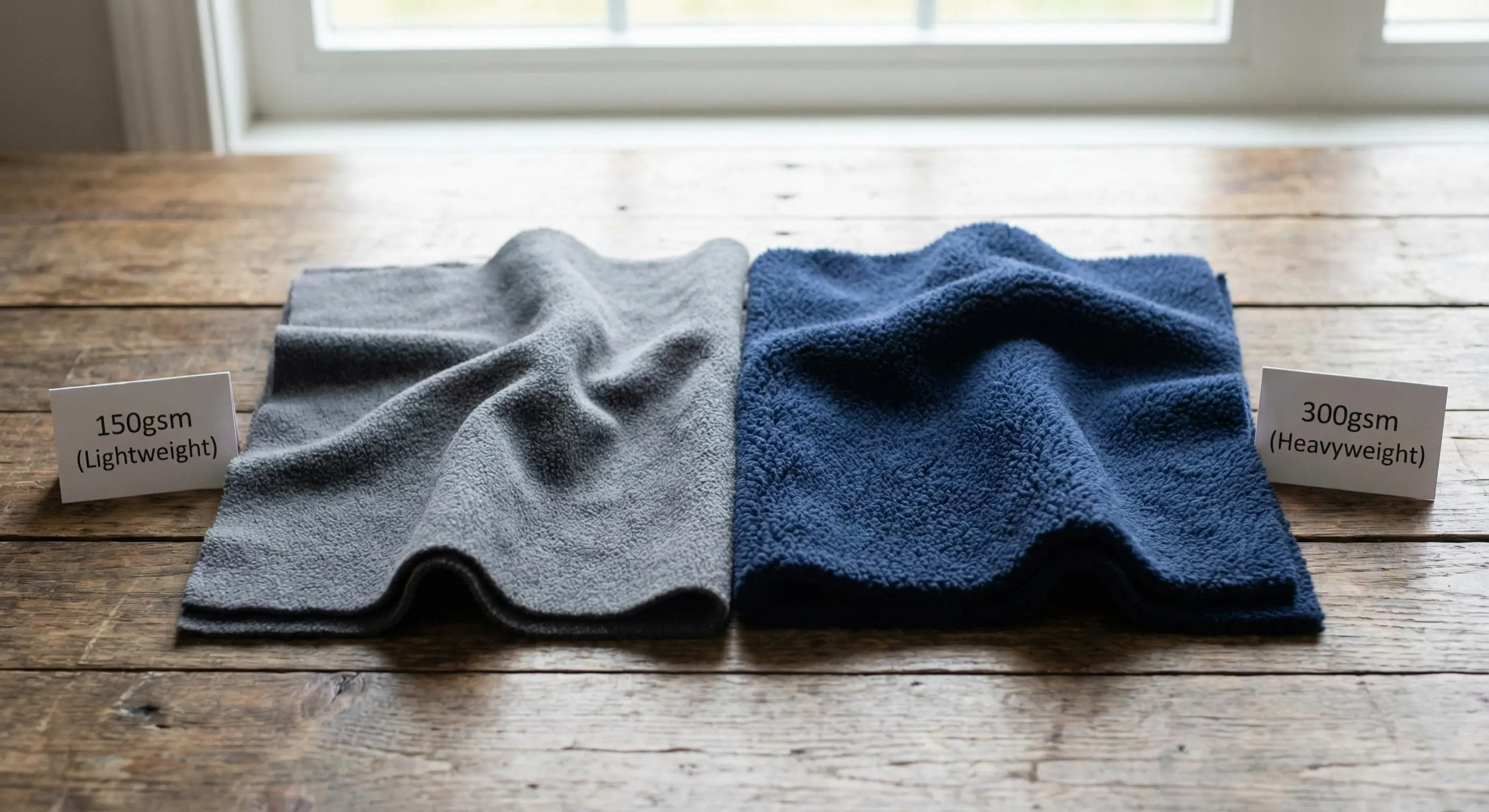
Another important factor to consider when selecting polar fleece fabric is its weight, often measured in grams per square meter (GSM). This classification indicates the density and thickness of the fabric, which directly affects its warmth, durability, and suitability for specific projects.
- Lightweight Fleece (150-200 GSM): Thin, flexible. This weight is ideal for spring or fall garments, such as light jackets, vests, or activewear. It's breathable and comfortable, but provides less insulation than heavier fleece options.
- Medium Weight Fleece (200-300 GSM): This is the most common weight for polar fleece fabric, offering a balanced combination of warmth and versatility. It’s perfect for everyday winter apparel, such as sweatshirts, hoodies, or blankets.
- Heavyweight Fleece (300+ GSM): Dense and thick, suitable for thick jackets, outdoor gear, and blankets that need to provide extra protection against the cold.
Why Choose Polar Fleece?
Beyond its composition, the popularity of this fabric in the DIY and outdoor community stems from its unique performance properties. Understanding these characteristics will help you determine if it is the right choice for your specific project.
Superior Warmth Without the Weight
One of the primary reasons people choose polar fleece is its ability to provide excellent insulation without being heavy or bulky. The fabric traps air between its fibers, allowing it to keep the body warm, while still being lightweight and breathable. This makes it a great choice for layering, as it won’t add unnecessary bulk to jackets, sweatshirts, or blankets, yet still provides a significant amount of warmth. Whether you’re making a winter coat, a fleece throw, or even accessories like scarves and hats, polar fleece fabric ensures comfort without feeling weighed down.
Hydrophobic Properties
A common question among outdoor enthusiasts is: is polar fleece waterproof? In fact, it is not waterproof in the same way a rain shell is. However, it is highly hydrophobic. The polyester fibers absorb less than 1% of their weight in water. Instead of soaking up moisture, the fabric allows it to pass through or bead off. This means that even when wet, it retains much of its insulating value and dries significantly faster than natural fibers like cotton or wool.
Breathability and Permeability
Because it is a knit structure, air can circulate through the fibers. This prevents the "greenhouse effect" inside a garment, allowing moisture vapor (sweat) to escape during high activity.
Easy to Care For
Another key benefit of polar fleece fabric is its low-maintenance nature. It is durable and can withstand multiple washes without shrinking, fading, or losing its softness. Unlike natural fibers like wool, polar fleece is resistant to moisture, meaning it dries quickly and doesn’t require special cleaning methods. For busy DIYers or those looking for hassle-free garments and accessories, this easy-care quality is a huge advantage.
Wide Range of Applications
Polar fleece fabric is incredibly versatile and can be used for a broad spectrum of projects. Here are just a few examples of where polar fleece excels:
- Outerwear: It can be used to make a cozy jacket, a vest, or a hoodie.
- Home Décor: Polar fleece blankets, throws, and pillow covers are soft and luxurious, offering comfort during colder months.
- Outdoor Gear: It is often used in outdoor gear such as hats, gloves, and liners for jackets or sleeping bags.
- Baby Items: Given its softness and hypoallergenic properties, polar fleece is a great material for baby blankets, swaddles, and sleepwear.
- Crafts: DIY enthusiasts love using polar fleece to create everything from pet beds to toys, tote bags, and even fashionable scarves or mittens.

Polar Fleece vs. Microfleece
When you're browsing the catalog, you will likely encounter various names and weights. The most common point of confusion for buyers is the difference between standard polar fleece fabric and microfleece fabric. While both are made from polyester, they serve different functions in a layered clothing system.
| Feature | Microfleece | Outer jackets, blankets, and mid-layer garment materials. |
| Weight | Lightweight (Typically <200 GSM) | Medium to Heavy (200–300+ GSM) |
| Texture | Short, tight pile; feels like chamois. | High, fluffy pile; feels like plush wool. |
| Bulk | Very low bulk; folds compactly. | Higher bulk; takes up more space. |
| Best Use | Base layers, lightweight pullovers, linings. | Outer jackets, blankets, mid-layer garment materials. |
| Flexibility | Highly flexible and drapey. | More structured, holds shape better. |
Sewing Tips for Polar Fleece Fabric
One of the reasons this fabric is so beloved by the DIY community is that it is relatively forgiving—it doesn't fray when cut, meaning you don't strictly need a serger (overlocker) to finish the edges. However, its thickness and stretch can present challenges. Whether you are making a fleece jacket, a blanket, or a set of mittens, these sewing tips will help you achieve professional-looking results.
Use the Right Needle
When sewing polar fleece fabric, it’s crucial to use the appropriate needle to avoid damaging the material. So use a Ballpoint or Stretch Needle. Size 90/14 is usually ideal for medium-weight fleece. The rounded tip slides between the fabric loops rather than cutting through them. If you're working with thicker polar fleece, a Jeans/Denim needle (with a larger shaft and stronger point) may be more effective in ensuring clean stitches.
Choose the Right Thread
Polar fleece fabric is generally easy to work with, but it’s important to use a strong, durable thread to ensure your seams hold up over time. Polyester thread works best because it has the same stretchability as the fabric itself and is strong enough to withstand the wear and tear of outdoor or heavy-use items like jackets or blankets. Avoid using cotton thread, as it may break or wear out more easily with fleece.
Adjust Your Stitch Settings
Since the fabric has stretch, your stitches need to stretch with it. Use a narrow Zigzag stitch (width 0.5mm - 1.0mm) or a dedicated "Lightning" stretch stitch. A straight stitch will likely snap when the garment is pulled over your head. Next, increase your stitch length to 3.0mm - 4.0mm. Short stitches can cause the fabric to jam or "eat" into the machine plate.
Avoid Using Seam Allowances That Are Too Small
When cutting and sewing polar fleece fabric, ensure you leave ample seam allowances—at least 1/2 inch or more, depending on your project. This extra space gives you some leeway to adjust if there’s any stretching or shifting during the sewing process. Additionally, larger seam allowances make it easier to finish the raw edges, which helps prevent fraying and maintains a clean look.
Use a Walking Foot or Teflon Foot
Multiple layers of fleece can get very thick under the presser foot, causing the top layer to drift or the machine to skip stitches. Using a walking foot can help to evenly feed the fabric through the machine, especially when sewing multiple layers. Alternatively, a Teflon foot can also help, as it allows the fabric to glide smoothly without sticking or creating friction. It’s an excellent option for sewing thicker fleece fabrics.
These sewing tips for polar fleece fabric will help you tackle your DIY projects with confidence, whether you're creating stylish garments or practical accessories. With the right tools and techniques, sewing with polar fleece can be an enjoyable and rewarding experience.
Where to Buy High-Quality Polar Fleece
Finding the right material is just as important as the sewing process itself. With countless options available online, knowing where to buy polar fleece fabric that won't pill after one wash is a common challenge for makers. Below are a few places to find polar fleece fabric and some tips on what to look for when buying.
Local Fabric Stores
Many fabric stores, especially those with a wide selection of sewing materials, carry polar fleece fabric in a variety of weights, colors, and patterns. Shopping locally can allow you to feel the fabric and inspect its quality before making a purchase. It also offers the advantage of immediate availability, so you can start your project right away. However, local stores may have a limited selection, especially if you're looking for specialty colors or larger quantities.
Online Fabric Retailers
Online fabric shops offer a much broader range of polar fleece fabrics and often at better prices than local stores. Some online retailers provide the convenience of sorting fabric by type, weight, and price, making it easier to find exactly what you're looking for. When shopping online, always check for fabric samples or swatches to ensure the quality and texture meet your expectations.
Before adding to your cart, check if the supplier provides the following technical specifications. A reputable fabric retailer should be transparent about:
- GSM (Weight): As discussed, knowing if it is 200 GSM or 300 GSM is vital for your project's success.
- Finish Details: Explicit mentions of "Anti-Pill" or "Double Brushed" finishes.
- Stretch Percentage: Essential information for pattern sizing.
One of the best options for purchasing polar fleece fabric online is Global Fabric Wholesale, a trusted name in the fabric industry. They offer a wide selection of polar fleece in various colors, weights, and materials, catering to both individual crafters and large-scale businesses.
Conclusion
Polar fleece has come a long way since its invention in the late 1970s. It has evolved from a purely functional outdoor textile into a versatile staple for fashion, home decor, and everyday comfort. Its unique combination of hydrophobic properties, impressive warmth-to-weight ratio, and ease of care makes it an unbeatable choice for winter projects. Now that you understand the science behind the fibers and the tricks to sewing them successfully, you are ready to create something durable and cozy. Happy sewing, and may your next project be as warm and cozy as the fabric you're working with!



 Login with Google